
- understanding-dog-constipation - what constipation looks like in dogs and why it happens
- safe-home-remedies - practical ways to ease discomfort at home
- diet-and-fiber-role - how nutrition affects bowel movements
- hydration-and-movement - why water and exercise matter more than people think
- when-to-seek-vet-help - warning signs that require professional care
Why Constipation in Dogs Should Never Be Ignored
Figuring out how to help a dog with constipation issues often starts with noticing small but important changes in behavior. Many owners assume it is a minor issue that will resolve on its own, but constipation can quickly become uncomfortable or even dangerous if ignored.
Dogs rely heavily on regular digestion to maintain energy, appetite, and overall comfort. When bowel movements slow down or stop, the entire system feels the impact.
Understanding What Dog Constipation Actually Looks Like
1. Common Signs Owners Miss at First
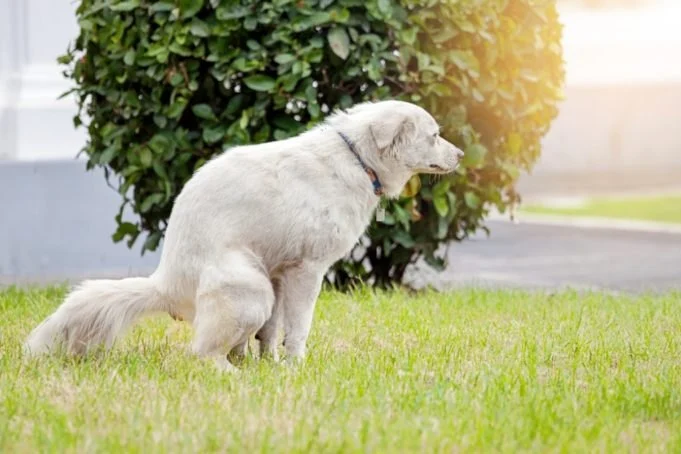
Constipation is not always obvious. Some dogs will still try to pass stool but show clear signs of discomfort. Others may stop going altogether for a day or more.
Typical symptoms include straining, dry or hard stool, reduced appetite, and visible restlessness. Some dogs may also circle repeatedly without success.
NKY Animal Care Center
IndependenceKenton CountyKentucky
2018 Harris Pike, Independence, KY 41051, USA
2. Why It Happens in the First Place
There are several reasons behind dog constipation treatment discussions in veterinary care. The most common causes include dehydration, lack of fiber, swallowing foreign objects, or reduced activity.
Older dogs are especially prone due to slower metabolism and reduced gut movement.
Safe Ways to Help a Dog at Home
1. Gentle Dietary Adjustments
One of the most effective canine constipation remedies involves improving diet. Adding fiber-rich foods like plain pumpkin or vet-approved supplements can help soften stool naturally.
However, sudden dietary changes should be avoided, as they can worsen digestive imbalance if not introduced gradually.
2. Encouraging Proper Hydration
Water plays a major role in stool consistency. Without enough hydration, stool becomes hard and difficult to pass.
Encouraging your dog to drink more—through fresh water, wet food, or broth-based meals—can significantly improve digestive flow.
3. Increasing Daily Movement
Exercise stimulates intestinal activity. Even a short walk can help activate the digestive system and encourage bowel movement.
This is often overlooked, but it is one of the simplest answers to how to help a dog with constipation issues naturally.
Diet and Fiber: The Foundation of Digestive Health
1. Why Fiber Matters So Much
Fiber helps regulate stool consistency by absorbing water and adding bulk. Without enough fiber, digestion becomes sluggish and irregular.
2. Best Fiber Sources for Dogs
Safe options include pumpkin puree, sweet potato, and vet-approved fiber supplements. These should always be introduced in moderation.
3. Avoiding Harmful Human Foods
Some owners mistakenly offer foods that are unsafe or too rich for dogs. Fatty foods or dairy products can actually worsen constipation or cause digestive upset.
Real-Life Story: A Small Change That Made a Big Difference
A dog owner from California once shared how her Labrador suddenly stopped having regular bowel movements after a diet switch. At first, she assumed it was stress. After three days, the dog became visibly uncomfortable and refused food.
After consulting a vet, she learned that low fiber intake combined with reduced water consumption was the cause. By adjusting diet, increasing hydration, and adding daily walks, the dog recovered within two days.
This situation highlights how quickly digestive issues can escalate when early signs are missed.
Hydration and Movement as Daily Prevention Tools
1. Making Water More Appealing
Some dogs simply don’t drink enough. Adding ice cubes, using pet fountains, or mixing water into meals can help improve intake.
2. Routine Exercise for Gut Health
Regular movement supports digestion naturally. Even indoor play sessions can help maintain intestinal rhythm.
When Home Care Is Not Enough
1. Warning Signs That Require Veterinary Attention
If constipation lasts more than a few days, or if your dog shows vomiting, pain, or complete loss of appetite, professional care is necessary.
Severe cases may involve blockages that cannot be treated at home.
2. What Veterinarians Typically Do
A vet may perform an exam, recommend imaging, or provide safe medications to relieve blockage. In some cases, fluid therapy is needed to restore hydration.
Preventing Future Digestive Problems
1. Consistent Feeding Schedule
Dogs thrive on routine. Feeding at consistent times helps regulate bowel movements naturally.
2. Balanced Nutrition
High-quality food designed for digestive health reduces long-term risks. Brands and resources available at Pet & Puppy can help owners choose suitable options tailored to their dog’s needs.
3. Monitoring Behavior Changes
Early detection is key. Watching for subtle shifts in appetite or bathroom habits allows faster intervention and less discomfort for the pet.



 Vetco Vaccination Clinic4.0 (39 reviews)
 Indian Bend Animal Hospital4.0 (95 reviews)
 Glasgo Memorial Veterinary Hospital4.0 (222 reviews)
 Foree JB DVM4.0 (50 reviews)
 VCA Shelden Animal Hospital4.0 (280 reviews)
 Deck Veterinary Clinic4.0 (199 reviews)
 Why Are Some Dogs Afraid of Water and How to Help
 How to Build a Pet Emergency Kit: Essentials You Need
 Best Dog Foods for Healthy Skin and Coat
 The Truth About Grain-Free Dog Food: Pros and Cons Explained
 DIY Frozen Treats for Pets: Recipes & Safety Tips
 How Seasonal Shedding Affects Pet Health and What to Do