
- -understanding-why-dogs-make-sounds-while-sleeping
- -dog-sleep-cycles-and-dreaming-science-explained
- -common-types-of-sleep-noises-in-dogs
- -when-sleep-sounds-are-normal-or-a-health-concern
- -real-life-pet-owner-stories-and-observations
- -how-age-breed-and-size-affect-dog-sleep-behavior
- -how-to-improve-your-dogs-sleep-quality
Understanding Why Dogs Make Weird Sounds While Sleeping
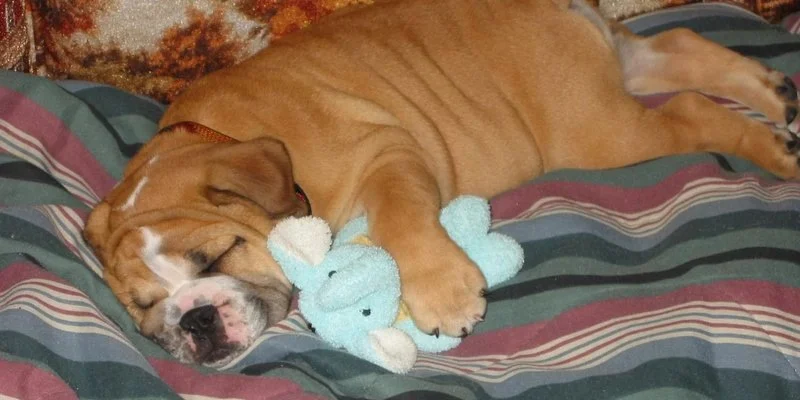
If you have ever watched your dog sleep peacefully on the couch or curled up near your bed, you may have noticed something surprising—soft whimpers, sudden barking noises, twitching paws, or even low growling sounds. This naturally leads many pet owners to wonder: why do dogs make weird sounds while sleeping?
In most cases, these sounds are completely normal and actually indicate that your dog is experiencing healthy sleep cycles. Just like humans, dogs go through stages of deep sleep and dreaming, and their brains remain active even while their bodies are resting.

The Emotional Reaction of Pet Owners
Many dog owners in the United States describe the first time they hear their dog making sleep noises as either adorable or slightly alarming. Some even wake their pets up out of concern, thinking something might be wrong. However, understanding the science behind these behaviors can turn confusion into reassurance.
These sleep sounds are often a sign of a mentally active and emotionally responsive brain, especially during dream states.

Indianapolis Animal Urgent Care
IndianapolisMarion CountyIndiana
827 S East St, Indianapolis, IN 46225, USA
Dog Sleep Cycles and Dreaming Science Explained
REM Sleep and Brain Activity in Dogs
To understand why dogs make weird sounds while sleeping, it is important to explore their sleep cycles. Dogs experience REM (Rapid Eye Movement) sleep, which is the same stage in humans where dreaming occurs. During REM sleep, brain activity increases, and the body may react physically to dream content.
This is when you may see paw twitching, tail movements, or soft vocalizations. Scientists believe dogs often dream about familiar experiences such as running, playing, or interacting with their owners.
How Often Dogs Enter Dream States
Dogs typically cycle through REM sleep multiple times during a sleep session. Smaller dogs tend to enter REM sleep more frequently but for shorter durations, while larger dogs experience longer but less frequent dream cycles.
This variation helps explain why some dogs seem more “active sleepers” than others.
Common Types of Sleep Noises in Dogs
Whimpering and Soft Barking
One of the most common sleep sounds is soft whimpering or gentle barking. This often occurs during dream sequences where the dog may be reacting to emotional experiences such as excitement or mild stress in the dream world.
These sounds are usually harmless and reflect normal brain activity during REM sleep.
Growling or Low Vocal Vibrations
Some dogs produce deeper growling sounds while sleeping. While this can sound concerning, it is typically linked to dream scenarios involving instinctive behaviors like guarding, playing, or interacting with other animals.
It is important not to assume aggression is present in real life—these reactions are dream-based and not behavioral warnings.
Twitching, Leg Movements, and “Running in Sleep”
Another fascinating behavior is the appearance of running motions while sleeping. Dogs may move their legs rapidly as if chasing something. This is one of the clearest indicators that dreaming is occurring.
This behavior is especially common in puppies, whose developing brains process more frequent sleep activity.
When Sleep Sounds Are Normal or a Health Concern
Normal Sleep Behavior in Most Dogs
In the majority of cases, sleep noises are completely normal. If your dog appears relaxed, breathes steadily, and wakes up normally, there is usually no cause for concern.
Occasional vocalizations, twitching, or movement are simply signs of an active dream cycle.
When to Pay Attention
However, there are situations where sleep behavior may indicate a health issue. If your dog experiences excessive thrashing, prolonged distress sounds, or appears disoriented upon waking, it may be worth consulting a veterinarian.
Seizure-like activity or irregular breathing patterns are not typical sleep behaviors and should be evaluated professionally.
Real-Life Pet Owner Stories and Observations
A Rescue Dog’s Nighttime “Conversations”
A dog owner in California shared a heartwarming story about her adopted rescue dog who would softly “talk” in his sleep every night. Initially concerned, she later learned from a veterinarian that these sounds were part of normal dream cycles, possibly connected to the dog’s past experiences.
Over time, she began seeing these sleep sounds as a comforting sign that her dog felt safe in his new home.
A Family Labrador in Texas
Another family in Texas described their Labrador retriever who would occasionally bark loudly during sleep, startling everyone in the house. After professional advice, they understood that the dog was simply experiencing vivid dreams and not distress.
Instead of worrying, the family now finds the behavior amusing and endearing.
How Age, Breed, and Size Affect Dog Sleep Behavior
Puppies and High Dream Activity
Puppies tend to dream more frequently than adult dogs. Their brains are rapidly developing, which leads to more active sleep cycles. This is why puppy owners often notice frequent twitching and vocalizations during naps.
These behaviors are a natural part of neurological development.
Breed Differences in Sleep Sounds
Certain breeds, especially working and herding dogs, may exhibit more expressive sleep behaviors. Their brains are wired for activity, problem-solving, and environmental awareness, which can translate into vivid dream patterns.
Smaller breeds may also appear more vocal during sleep due to lighter sleep cycles.
Senior Dogs and Reduced Sleep Activity
Older dogs may show fewer sleep movements or sounds as their sleep patterns become deeper but less dynamic. However, changes in sleep behavior in senior dogs should be monitored for health shifts.
How to Improve Your Dog’s Sleep Quality
Creating a Calm Sleep Environment
A quiet and comfortable environment helps support healthy sleep cycles. Soft bedding, low lighting, and minimal nighttime disturbances can all improve sleep quality.
Dogs that feel secure are more likely to enter deep, restorative sleep stages.
Routine and Exercise Balance
Daily exercise plays a major role in sleep quality. Dogs that are mentally and physically stimulated during the day tend to sleep more deeply at night, which can influence dream activity.
However, overstimulation right before bedtime should be avoided.
When Owners Should Seek Guidance
If sleep disturbances become frequent or disruptive, consulting a pet care professional is recommended. Platforms like Pet & Puppy can help owners find guidance on nutrition, behavior, and sleep-related care tailored to individual dog needs.
Understanding the Emotional Connection Behind Sleep Sounds
Ultimately, when dogs make weird sounds while sleeping, it often reflects a deeper truth: their emotional and cognitive worlds are active even during rest. These behaviors are part of what makes dogs such expressive and emotionally rich companions.
Whether it is a quiet whimper or a sudden paw movement, these sleep moments offer a small glimpse into your dog’s inner life—a world shaped by memory, instinct, and the bond they share with their owners.




 Lovet Pet Health Care - Bell Ridge4.0 (587 reviews)
 Bridgeview Pet Wellness Clinic4.0 (375 reviews)
 AcutePet Urgent Care4.0 (224 reviews)
 Germantown Veterinary Clinic4.0 (153 reviews)
 Doyle Veterinary Center, PLLC4.0 (214 reviews)
 Pet Wants Oxford Oh., Eaton and Richmond5.0 (3 reviews)
 How to Create a Yearly Wellness Plan for Your Pet
 How to Use Behavior Tracking Apps for Pets: Monitor Health & Behavior
 Best Dog Foods for Allergies According to Vets - Expert Recommendations
 How to Help Your Dog Lose Weight Safely with Effective Tips
 How to Stop Cats from Scratching Furniture: Effective Tips and Products
 The Role of Gut Microbiome in Pet Mental Health and Behavior