
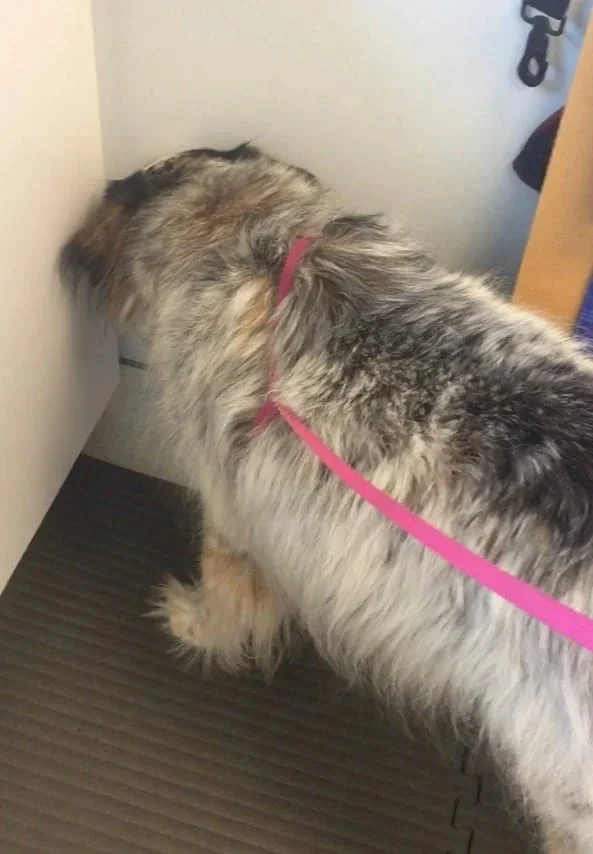
Why Do Dogs Head Press Against Walls? Understanding This Behavior
If you've ever noticed your dog pressing its head against a wall or other surfaces, you might have been concerned. Is it a strange habit, or is there something more serious going on? This behavior, known as "head pressing," can be a sign of a variety of issues ranging from behavioral quirks to serious medical conditions. In this article, we will explore the possible causes behind this behavior, when to seek professional help, and how to ensure your dog's well-being.
- 1. Understanding the Possible Causes of Head Pressing
- 2. Behavioral Causes: Is Your Dog Just Acting Odd?
- 3. Medical Conditions Linked to Head Pressing
- 4. When Should You See a Veterinarian?
1. Understanding the Possible Causes of Head Pressing
Head pressing is a behavior where a dog places its head against a wall, door, or any other surface, and keeps it there for extended periods. While this behavior can be unsettling for dog owners, it’s important to understand the potential reasons behind it.
- Exploration: Some dogs may press their heads against walls out of curiosity or as part of their exploratory behavior. This is more common in puppies who are learning about their environment.
- Comfort Seeking: In some cases, head pressing may be a way for a dog to self-soothe, especially in stressful situations.
2. Behavioral Causes: Is Your Dog Just Acting Odd?
In some instances, head pressing could be related to behavioral issues. Dogs may develop this habit as a way to express anxiety, frustration, or boredom. Let’s dive deeper into these possible causes:
- Stress or Anxiety: Dogs who are stressed or anxious may engage in head pressing as a coping mechanism. This can happen if the dog feels trapped, frightened, or overwhelmed by its surroundings.
- Attention-Seeking: Dogs sometimes engage in unusual behaviors like head pressing to get attention from their owners. If the behavior leads to a reaction from the owner, it could reinforce the habit.
If your dog’s head pressing behavior seems related to a lack of stimulation or a need for attention, you may want to consider offering more physical exercise or mental challenges to help curb the behavior.

3. Medical Conditions Linked to Head Pressing
More concerning than behavioral issues are medical conditions that can cause dogs to exhibit head pressing. If you notice other symptoms, such as seizures, difficulty walking, or changes in behavior, it’s important to consult your veterinarian right away. Some possible medical conditions include:
- Cognitive Dysfunction Syndrome (CDS): Similar to dementia in humans, CDS can cause dogs to become disoriented and engage in odd behaviors like head pressing.
- Neurological Disorders: Conditions like brain tumors, encephalitis (inflammation of the brain), or other neurological issues can lead to head pressing as the dog tries to deal with the pain or pressure in their head.
- Head Trauma: Dogs who have experienced head trauma may press their heads against walls as a response to pain or disorientation.
While some dogs may show temporary signs of head pressing, persistent or worsening behavior should be evaluated by a professional.

4. When Should You See a Veterinarian?
It’s important to monitor your dog closely to determine if head pressing is becoming a cause for concern. If the behavior is frequent, lasts for long periods, or is accompanied by other symptoms, it’s time to seek veterinary care. Some signs to watch for include:
- Changes in Behavior: If your dog becomes more lethargic, loses interest in its usual activities, or appears disoriented, it may indicate a neurological problem.
- Physical Symptoms: If you notice head pressing along with signs of pain, such as difficulty moving, vomiting, or seizures, immediate veterinary attention is required.
- Persisting Behavior: If the behavior doesn’t subside after a few days, or if you suspect it’s a sign of a deeper issue, it’s best to consult a veterinarian for a thorough examination.
At Pet & Puppy, we recommend reaching out to your vet for advice and scheduling an appointment if you’re concerned. It’s always better to be safe and have your dog’s health evaluated by a professional.
In conclusion, while head pressing can sometimes be harmless, it can also signal underlying health issues. By being observant and proactive, you can ensure your dog receives the care it needs and enjoy a long, healthy life together.





 Soria Petshop4.0 (41 reviews)
 Dayton Humane Veterinary Hospital4.0 (147 reviews)
 Shively Animal Clinic & Hospital4.0 (3732 reviews)
 Adobe Animal Hospital4.0 (301 reviews)
 Vetco Vaccination Clinic4.0 (70 reviews)
 VIP Petcare Vaccination Clinic0.0 (0 reviews)
 What Causes Pet Lethargy? Understanding Underlying Conditions to Check
 What Breed-Specific Health Issues You Should Be Aware Of
 The Best Indoor Activities to Keep Your Dog Mentally Stimulated | Pet & Puppy
 Behind the Scenes of a Veterinary Clinic: What Happens in 24 Hours
 How to Use Behavior Tracking Apps to Monitor Your Pet’s Mood | Pet & Puppy
 Why Is My Dog Limping? Common Causes and When to See a Vet - Pet & Puppy