
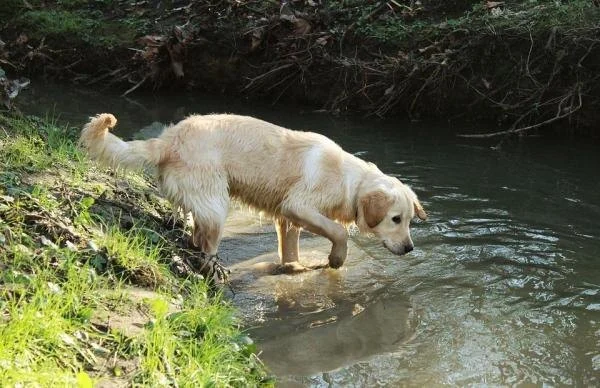
- why-some-dogs-are-afraid-of-water - understanding-the-root-causes
- common-signs-of-water-fear-in-dogs - recognizing-the-behavior
- reasons-dogs-develop-water-anxiety - psychological-and-physical-factors
- how-to-help-your-dog-overcome-water-fear - practical-training-methods
- real-story-helping-a-dog-learn-to-love-water - a-training-experience
- long-term-confidence-building-for-dogs - building-trust-and-comfort
Why Some Dogs Are Afraid of Water
Many dog owners assume that all dogs naturally love water, especially after seeing popular videos of Labradors jumping into lakes or dogs happily swimming at the beach. However, not every dog shares that enthusiasm. In fact, a significant number of dogs show hesitation or even fear when faced with water.
1. Natural Temperament Differences
Just like humans, dogs have unique personalities. Some breeds and individuals are naturally more cautious. While breeds like retrievers were historically bred to work in water, others simply did not develop that instinct. For them, stepping into water may feel unfamiliar and uncomfortable.
2. Lack of Early Exposure
Puppies who are not introduced to water gradually during their early development may grow up feeling uncertain about it. When the first experience with water happens suddenly—such as being placed directly into a bathtub—it can create lasting fear.
Common Signs of Water Fear in Dogs
Understanding how a dog expresses fear around water is important before attempting to help them overcome it.
1. Avoiding Water Completely
A dog afraid of water may refuse to approach a pool, lake, or even a bathtub. Some dogs will pull on the leash to move away from water sources.
2. Stress During Bath Time
Bath time is often when water fear becomes most obvious. Dogs may shake, whine, try to escape the tub, or freeze in place when water starts running.
3. Physical Stress Signals
Other signs include tucked tails, flattened ears, heavy panting, or attempts to hide. These behaviors show the dog is feeling anxious or threatened by the situation.
Reasons Dogs Develop Water Anxiety
There are several reasons why dogs become fearful of water, and understanding these causes can help owners address the issue more effectively.
1. Negative Past Experiences
If a dog had a frightening encounter with water—such as slipping in a bathtub or being forced into a pool—they may associate water with danger.
2. Sensory Sensitivity
Some dogs are particularly sensitive to new sensations. The sound of running water, the slippery surface of a bathtub, or the feeling of wet fur may overwhelm them.
3. Lack of Control
Dogs feel safer when they believe they can control their environment. Water situations often remove that sense of control, especially if the dog feels trapped in a sink or tub.
How to Help Your Dog Overcome Water Fear
Helping a dog overcome fear of water requires patience, positive reinforcement, and gradual exposure.
1. Start with Small Introductions
Instead of forcing a dog into water, begin by allowing them to explore it slowly. A shallow kiddie pool or damp towel can be a gentle introduction.
2. Use Positive Reinforcement
Reward your dog with treats, praise, or toys whenever they show curiosity or calm behavior around water. This helps create positive associations.
3. Let the Dog Set the Pace
Progress should happen gradually. Allow the dog to step into water on their own terms rather than pushing them forward.
4. Make Bath Time Comfortable
Placing a non-slip mat in the bathtub and using lukewarm water can reduce stress significantly. Calm voices and gentle handling also help reassure nervous dogs.
Real Story Helping a Dog Learn to Love Water
A dog owner once shared how their rescue dog, Max, was terrified of water after being adopted. During the first bath attempt, Max panicked and tried to jump out of the tub.
1. Gradual Training Made the Difference
Instead of forcing bath time, the owner began introducing water slowly through outdoor play. A garden hose on a gentle setting allowed Max to approach water voluntarily.
2. Positive Experiences Changed Behavior
Within a few weeks, Max began associating water with fun and rewards. Eventually, bath time became much easier and stress-free.
Long-Term Confidence Building for Dogs
Helping a dog overcome fear of water is not just about bath time—it’s about building confidence.
1. Regular Positive Exposure
Frequent, low-pressure exposure to water environments can help dogs become more comfortable. Trips to calm lakes or shallow pools can gradually build familiarity.
2. Training and Socialization
Some dogs learn by watching others. Seeing another confident dog playing in water can encourage hesitant pets to try it themselves.
3. Patience and Trust
The most important factor is patience. Trust grows slowly, and every positive interaction with water helps reduce anxiety.
If you’re looking for more advice, helpful resources, or products designed to support your dog’s comfort and training journey, exploring trusted pet platforms like Pet & Puppy can help you discover useful solutions and expert tips for caring for your furry companion.





 Petland Richmond4.0 (471 reviews)
 Sun Valley Hope Animal Hospital4.0 (1205 reviews)
 Tri Point Veterinary Clinic4.0 (133 reviews)
 1st Pet Veterinary Centers - North Valley4.0 (944 reviews)
 Heritage Animal Hospital4.0 (173 reviews)
 County Line Vet Services, INC4.0 (132 reviews)
 How to Stop Cats from Scratching Furniture: Effective Tips and Products
 How to Handle Cat Scratching Behavior: Effective Deterrents & Alternatives
 How to Teach Pets to Sleep on Their Own Bed
 How to Plan a Pet-Friendly Party at Home – Fun Ideas for Your Pets
 Best Dog Foods for Puppy Growth and Development
 Stopping Pet Digging Behavior: Yard & Indoor Tips