
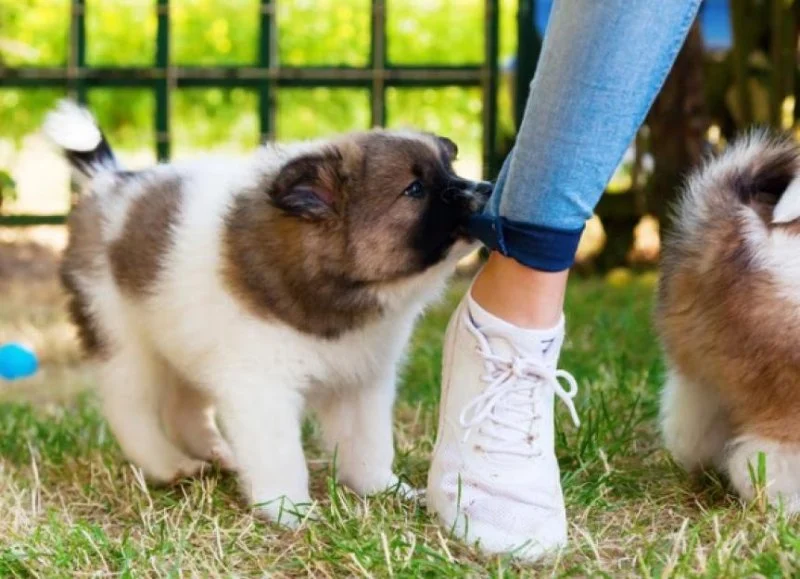
Puppy Behavior: Why Do Puppies Bite and How to Stop It
One of the most common challenges for new puppy owners is dealing with puppy biting. While it’s a normal behavior during the early stages of a puppy’s life, it can quickly become a frustrating issue if not addressed properly. In this article, we’ll explore why puppies bite, how to stop it, and what you can do to ensure your furry friend grows into a well-behaved adult dog.
- Why Do Puppies Bite?
- Understanding Puppy Teething
- Effective Methods to Stop Puppy Biting
- Puppy Training Tips
- Preventing Biting in Adult Dogs
- Pet & Puppy Product Recommendations
1. Why Do Puppies Bite?
Puppies often use their mouths to explore the world around them. Biting is a natural part of their development, but understanding the reasons behind this behavior is key to addressing it effectively:

Colerain Animal Clinic: Lies J Michael DVM
6340 Colerain Ave, Cincinnati, OH 45239, USA
1.1. Teething
Just like human babies, puppies go through a teething phase, which can make their gums sore. Biting helps them relieve the discomfort of growing new teeth. During this phase, they might bite anything they can find, from toys to your hands and clothing.

Indian Bend Animal Hospital
3923 E Thunderbird Rd, Phoenix, AZ 85032, USA
1.2. Play and Exploration
Puppies are naturally playful and curious. They use their mouths to interact with their environment and other animals or people. This behavior is often seen as part of their playful exploration, especially when they are learning to socialize.
1.3. Attention-Seeking
Sometimes, puppies bite because they want attention. If your puppy notices that biting gets a reaction from you—whether it’s a laugh, scolding, or play—they might continue the behavior as a way of seeking more interaction or getting your focus.
2. Understanding Puppy Teething
Puppy teething is an important stage in their growth. It typically occurs between 3 to 6 months of age, but it can vary depending on the breed. Here’s what you need to know:
2.1. The Teething Process
During teething, puppies lose their baby teeth and grow their adult teeth. This process can be uncomfortable, and just like human babies, puppies often chew to ease the discomfort. You may notice your puppy biting or chewing on anything they can find, including furniture, shoes, or your hands.
2.2. The Importance of Chew Toys
Providing your puppy with appropriate chew toys is crucial during this time. This helps redirect their biting behavior toward something safe and durable, rather than your furniture or hands. Chew toys can also help soothe their sore gums and support healthy dental development.
3. Effective Methods to Stop Puppy Biting
While puppy biting is normal, it’s important to teach your puppy that biting humans or other pets is not acceptable. Here are some effective methods to stop puppy biting:
3.1. Redirect Their Attention
When your puppy begins to bite, immediately redirect their attention to an appropriate chew toy. This helps them learn what is okay to bite and what isn’t. Be consistent in offering toys when they start chewing on your hands or clothes.
3.2. Use Positive Reinforcement
Whenever your puppy plays gently without biting, reward them with praise, treats, or extra playtime. Positive reinforcement helps them associate good behavior with rewards, encouraging them to continue the behavior. The key is consistency and patience.
3.3. Time-Outs
If your puppy gets overly excited and starts biting too hard, it’s important to set boundaries. Giving them a short time-out (a few minutes in a safe space like a crate or another room) will teach them that rough behavior leads to the end of playtime.
3.4. Use “Ouch!” to Communicate
When your puppy bites too hard, let out a sharp “Ouch!” and stop playing for a moment. This mimics how other puppies might communicate during play and lets your puppy know that their biting hurts. Over time, they’ll learn to control the force of their bites.
4. Puppy Training Tips
Training your puppy to stop biting is part of the overall process of socialization and behavior management. Here are some tips to help with training:
4.1. Consistency is Key
Consistency is crucial when teaching your puppy not to bite. Every time they bite, redirect them to a chew toy, say “no” firmly, or give them a time-out. The more consistent you are, the quicker they will learn what’s acceptable.
4.2. Socialization with Other Dogs
Allow your puppy to interact with other dogs in a controlled environment. Puppies often learn bite inhibition (how to control the pressure of their bites) from playing with other dogs. Positive play with other puppies can help them understand the limits of biting.
4.3. Obedience Classes
Enrolling your puppy in obedience classes is a great way to ensure they learn proper behavior in a social setting. Trainers can guide you in correcting unwanted behaviors, such as biting, and teach your puppy basic commands to encourage good manners.
5. Preventing Biting in Adult Dogs
While most puppies grow out of biting behavior with proper training, some adult dogs may still exhibit biting tendencies. Here’s how to manage and prevent it:
5.1. Reinforce Positive Behavior
For adult dogs that were not properly trained as puppies, continue to reinforce positive behaviors. Use reward-based training to encourage gentle play and discourage biting. This can take time, but with patience, your dog can learn to play appropriately.
5.2. Seek Professional Help
If your dog continues to bite or shows signs of aggression, it may be time to consult a professional dog trainer or behaviorist. They can assess the situation and provide specific techniques to address the behavior.
6. Pet & Puppy Product Recommendations
If you're looking for the best products to help with your puppy's behavior, visit Pet & Puppy for recommended chew toys, training tools, and more. Our curated selection of products will support you in raising a happy, healthy puppy.





 101 SPAY & NEUTER OF SCOTTSDALE4.0 (9 reviews)
 PetVet Vaccination Clinic4.0 (32 reviews)
 Hollywood Feed4.0 (394 reviews)
 Columbus Animal Hospital4.0 (287 reviews)
 City Way Animal Clinics - Fountain Square4.0 (526 reviews)
 Banfield Pet Hospital4.0 (272 reviews)
 Best Dog Foods for Puppy Growth and Development
 How Much Should You Feed Your Pet? Portion Guide by Age & Breed
 Cat Hairballs: How to Prevent and Manage Them Effectively
 Benefits of Virtual Vet Consultations: When It Makes Sense
 How to Build a Pet Emergency Kit: Essentials You Need
 How to Handle Pet Jealousy When You Have More Than One