
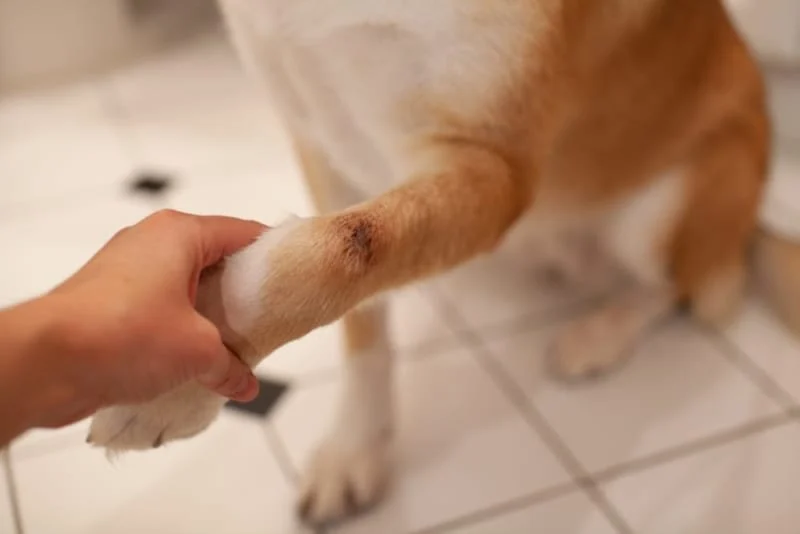
Understanding Dog Wounds
Dogs, like humans, can get cuts, scrapes, or other types of wounds due to accidents, rough play, or even encounters with sharp objects. While some wounds are minor and can be treated at home, others may require professional veterinary care. Understanding the severity of your dog’s injury is crucial in determining the appropriate course of action. A quick response can help prevent infections and ensure faster recovery for your furry friend.

Companion Pet Clinic of North Phoenix
3129 E Cactus Rd, Phoenix, AZ 85032, USA
Initial Steps for Dog Wound Care
If your dog has sustained a wound, it's important to take immediate action. Here are the first steps you should take:
1. Stay Calm and Assess the Situation: Before doing anything, make sure both you and your dog are calm. Assess the wound to determine its size, depth, and severity. If the wound is large or deep, bleeding excessively, or if your dog is in significant pain, seek veterinary care right away.
2. Stop the Bleeding: For minor cuts, gently apply pressure with a clean cloth or gauze to stop the bleeding. Most small wounds will stop bleeding after a few minutes of pressure. If bleeding continues for more than 10 minutes or seems uncontrollable, consult your veterinarian immediately.
3. Clean the Wound: If the bleeding stops, the next step is cleaning the wound. Rinse the area with cool water to remove any dirt or debris. Avoid using hydrogen peroxide, alcohol, or strong antiseptics, as they can irritate the wound and delay healing. A saline solution or mild soap and water will do the trick.

Treating Minor Cuts and Scrapes
For minor wounds that don’t require immediate veterinary attention, follow these steps to ensure proper healing:
1. Apply an Antiseptic: After cleaning the wound, apply an antiseptic ointment or gel that is safe for dogs. This helps prevent infection and promotes healing. Be sure to use a product specifically designed for pets, as some human antiseptics can be harmful to dogs.
2. Bandage the Wound: If the wound is in a location where it can be easily covered, use a sterile bandage to protect it from dirt and bacteria. Be sure the bandage isn’t too tight, as it could cut off circulation. Change the bandage daily and keep the wound dry.
3. Monitor for Infection: Keep an eye on the wound for signs of infection, such as redness, swelling, pus, or a foul odor. If you notice any of these signs, seek veterinary care immediately.
When to Seek Veterinary Care
While many minor cuts can be treated at home, there are certain situations where you should seek veterinary attention right away. These include:
1. Deep or Large Wounds: If the cut is deep, large, or if you notice exposed tissue or muscle, it’s important to see a vet. These wounds may require stitches and professional care to ensure proper healing.
2. Excessive Bleeding: If the bleeding doesn’t stop after applying pressure for 10 minutes, or if you notice blood pooling, your dog may need immediate attention to address the bleeding and prevent shock.
3. Signs of Infection: If the wound appears to be getting worse rather than better, or if your dog develops a fever, loss of appetite, or behaves lethargically, this may indicate an infection that needs medical attention.
4. Pain or Discomfort: If your dog seems excessively painful, refuses to move, or is unable to walk properly, it’s crucial to have them examined by a vet to rule out any internal injuries or complications.
Preventing Future Injuries
While it’s impossible to completely eliminate the risk of injuries, there are a few ways you can reduce the chances of your dog getting cuts or wounds in the future:
1. Supervise Playtime: Keep an eye on your dog during playtime, especially when they are interacting with other dogs or playing in unfamiliar areas. Avoid areas with sharp objects or hazards that could cause injury.
2. Protective Gear: If your dog is particularly prone to getting hurt (e.g., during hiking or rough play), consider using protective gear such as booties to protect their paws or a protective vest to guard against cuts.
3. Keep Your Yard Safe: Ensure your yard is free of sharp objects, broken fences, or dangerous plants that could harm your dog. Regularly inspect your outdoor space to minimize any risks.
4. Healthy Diet: A balanced, nutritious diet helps keep your dog’s skin and coat healthy, which can promote quicker healing of any injuries they do sustain and prevent infections.



 Larkspur Cat Clinic4.0 (291 reviews)
 East Valley Urgent Pet Care4.0 (201 reviews)
 St Francis Pet Hospital4.0 (289 reviews)
 Doerr Animal Clinic4.0 (567 reviews)
 Rising Sun Veterinary Clinic4.0 (236 reviews)
 IndyVet Emergency & Specialty Hospital4.0 (2168 reviews)
 How to Vet a New Pet Food Brand: 10 Warning Flags
 Evaluating New "Functional" Pet Foods: Trends & Claims
 How to Help Dogs With Arthritis With Exercises
 The Future of Telemedicine for Pets: Prospects & Challenges
 Drones & Robotics in Pet Care: What’s Possible Now
 How IoT Devices Are Helping Pet Owners Stay Informed