
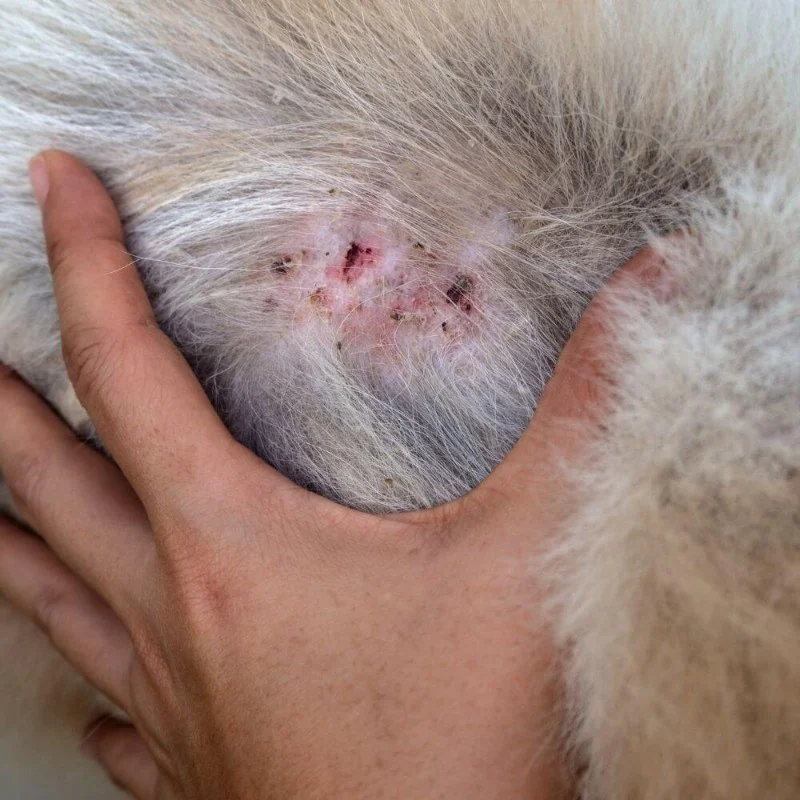
How to Care for a Dog With Allergic Dermatitis
Allergic dermatitis is a common condition in dogs, causing irritation and inflammation of the skin due to allergens. If your dog suffers from allergic dermatitis, it’s important to manage their symptoms effectively. In this guide, we’ll discuss how to care for a dog with allergic dermatitis, the treatment options available, and how to prevent flare-ups to ensure your dog stays comfortable and healthy.

1. Understanding Allergic Dermatitis in Dogs
Allergic dermatitis is a type of skin inflammation caused by an allergic reaction to various substances, such as food, fleas, pollen, dust mites, or certain chemicals. It is often seen in dogs with sensitive skin or a genetic predisposition to allergies. When a dog is exposed to an allergen, their immune system reacts by producing inflammatory chemicals that lead to itching, redness, and irritation of the skin.
2. Symptoms of Allergic Dermatitis in Dogs
The most common symptoms of allergic dermatitis in dogs include:
- Excessive itching and scratching: Dogs may scratch, bite, or lick their skin to relieve discomfort.
- Red, inflamed skin: Areas of the skin may appear red or irritated, especially around the paws, ears, or face.
- Hair loss: Persistent scratching can lead to hair loss, often in patches.
- Hot spots: These are areas of the skin that become infected due to constant licking or scratching.
- Ear infections: Allergic dermatitis often causes ear infections, leading to redness, swelling, or discharge in the ears.
3. Treatment Options for Allergic Dermatitis
Treating allergic dermatitis involves a combination of addressing the underlying cause, soothing the affected skin, and preventing future flare-ups. Here are some treatment options:
- Medications: Anti-inflammatory medications, such as steroids, can help reduce itching and swelling. Antihistamines may also be prescribed to control the allergic reaction.
- Topical treatments: Medicated shampoos and creams can soothe irritated skin and help reduce inflammation. Look for products that are formulated for sensitive skin.
- Flea control: If fleas are the cause of the allergy, a proper flea control regimen is essential. Your vet can recommend flea preventatives that are safe and effective.
- Dietary changes: In some cases, food allergies may be responsible for dermatitis. If food allergies are suspected, your vet may recommend a special hypoallergenic diet to identify the culprit.
4. Preventing Allergic Reactions in Dogs
Preventing allergic dermatitis flare-ups involves minimizing exposure to known allergens and maintaining good skin health. Here are some prevention tips:
- Identify triggers: Keep track of what triggers your dog’s allergic reactions, such as specific foods or environmental factors like pollen or dust mites.
- Regular grooming: Regular baths with gentle, hypoallergenic shampoos can help remove allergens from your dog’s skin and coat. Brush your dog frequently to remove excess hair and dirt.
- Control fleas: Use flea preventatives regularly to ensure that fleas are not a contributing factor to your dog’s allergic dermatitis.
- Environmental control: Consider using air purifiers or keeping windows closed during peak allergy seasons to minimize exposure to allergens like pollen and dust.
5. Choosing the Right Products for Dog Skin Care
When caring for a dog with allergic dermatitis, choosing the right skincare products is crucial. Look for products specifically formulated for sensitive dog skin, such as:
- Hypoallergenic shampoos: These shampoos are gentle on the skin and help soothe irritation without harsh chemicals.
- Moisturizing sprays or lotions: These products help restore moisture to dry, cracked skin and promote healing.
- Anti-itch sprays: Sprays containing ingredients like aloe vera or oatmeal can provide relief from itching and irritation.
6. When to See a Veterinarian
If your dog’s allergic dermatitis is not improving with home treatments or if symptoms worsen, it’s important to consult a veterinarian. A vet can help diagnose the underlying cause of your dog’s allergies and provide more targeted treatments, such as prescription medications or special diets. It’s also essential to seek veterinary care if your dog develops severe infections, hot spots, or persistent ear issues.






 Vetco Vaccination Clinic4.0 (28 reviews)
 Lovet Pet Health Care - Surprise4.0 (908 reviews)
 Glasgo Memorial Veterinary Hospital4.0 (222 reviews)
 Happiness is Pets3.0 (169 reviews)
 Petco4.0 (883 reviews)
 Riverview Animal Hospital4.0 (183 reviews)
 Housebreaking Your Puppy: Strategies That Work
 Best Dog Parks in Major US Cities and Safety Tips
 How to Train a Service Dog: Basics & Considerations
 DIY Frozen Treats for Pets: Recipes & Safety Tips
 Best Dog Foods for Sensitive Skin and Allergies: A Comprehensive Guide
 How to Prevent and Treat Hot Weather Rash in Dogs