
- 1-Understanding the Impact of 3D Printing on Pet Care
- 2-How 3D Printing is Used in Pet Prosthetics
- 3-The Benefits of 3D Printed Prosthetics for Pets
- 4-3D Printing in Pet Surgery and Rehabilitation
- 5-Why Pet Owners Should Consider 3D Printed Prosthetics
1. Understanding the Impact of 3D Printing on Pet Care
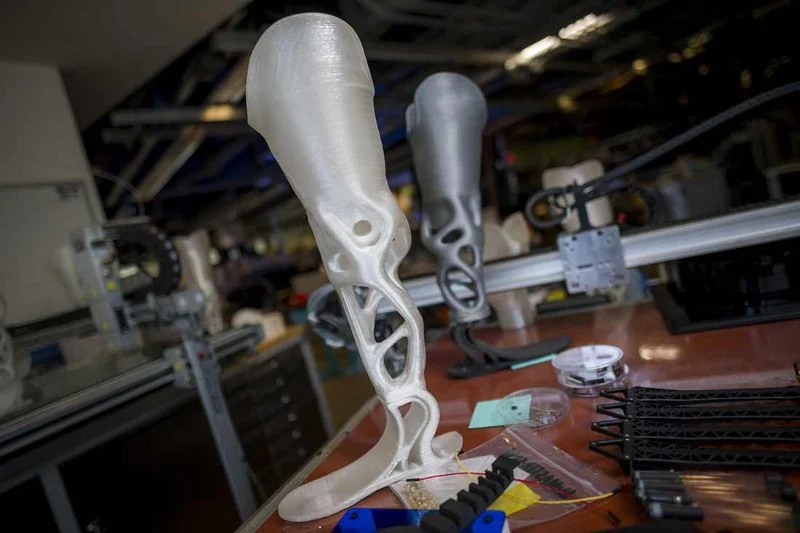
3D printing technology has significantly impacted various industries, and the world of veterinary care is no exception. This revolutionary technology is being utilized in pet prosthetics and surgery, providing innovative solutions for pets with disabilities or injuries. By creating custom-made, precise, and affordable prosthetics, 3D printing is helping improve the quality of life for many pets that would otherwise face mobility challenges.
The ability to print personalized prosthetic limbs and medical devices tailored to a pet’s specific needs is a game-changer in veterinary medicine. This technology not only offers comfort and functionality but also allows for faster recovery times, reducing the need for invasive surgeries or prolonged rehabilitation periods.

2. How 3D Printing is Used in Pet Prosthetics
3D printing in pet prosthetics involves using computer-aided design (CAD) to create detailed 3D models of a pet’s body and specific limb needs. These models are then transformed into physical prosthetic limbs using various 3D printing techniques such as fused deposition modeling (FDM) or selective laser sintering (SLS). This process enables precise, functional, and lightweight prosthetics tailored to the individual pet.
For example, when a pet loses a leg due to injury or illness, the veterinary team can use a 3D scanner to capture the shape of the remaining limb or body part. Then, a custom prosthetic is designed that fits perfectly, ensuring comfort and ease of movement. These prosthetics are often made of durable materials like thermoplastic polyurethane (TPU), which is flexible yet strong enough to withstand daily wear and tear.
Fort Branch Veterinary Hospital
Fort BranchGibson CountyIndiana
32 Co Rd 600 S, Fort Branch, IN 47648, USA
3. The Benefits of 3D Printed Prosthetics for Pets
3D printed prosthetics offer several key advantages over traditional prosthetics or medical devices. Here are some of the primary benefits:
3.1. Customization
One of the most significant advantages of 3D printed prosthetics is the ability to customize them to fit each pet perfectly. Unlike off-the-shelf prosthetics, which may not offer the best fit or comfort, 3D printed prosthetics can be tailored to a pet’s exact dimensions. This personalized approach ensures a more comfortable and functional solution for pets, allowing them to move naturally and live more actively.
3.2. Cost-Effectiveness
3D printing can significantly reduce the cost of prosthetics compared to traditional methods. By eliminating the need for manual fabrication and reducing material waste, 3D printing offers a more affordable solution for pet owners. This cost reduction also makes prosthetics more accessible, allowing more pets to benefit from these life-changing devices.
3.3. Faster Turnaround Time
Creating a prosthetic traditionally involves taking molds, sending them to specialized labs, and waiting for the final product. However, with 3D printing, the process can be much quicker. Once the design is finalized, the prosthetic can be printed in a matter of hours or days, enabling a faster recovery and less waiting time for pets in need.
4. 3D Printing in Pet Surgery and Rehabilitation
3D printing has also made an impact in the realm of pet surgery and rehabilitation. Veterinary surgeons are now using 3D printing to create custom surgical guides, implants, and even organ models for pre-surgical planning. This ensures that the surgical process is as precise and efficient as possible, ultimately improving the chances of successful outcomes.
In addition, 3D printing is used to create rehabilitation aids, such as braces or splints, that can be custom-made to fit a pet’s needs. These aids help pets recover from surgery or injuries more comfortably and effectively, minimizing the risk of further damage and speeding up the healing process.
5. Why Pet Owners Should Consider 3D Printed Prosthetics
For pet owners facing the difficult decision of choosing the right prosthetic for their pets, 3D printed prosthetics offer an excellent option. Not only are they cost-effective and customizable, but they also provide a higher level of comfort and functionality compared to traditional prosthetics. Here are some reasons why you should consider 3D printed prosthetics for your pet:
5.1. Enhanced Quality of Life
For pets with amputations or limb dysfunctions, 3D printed prosthetics can dramatically improve their mobility and overall quality of life. With the ability to run, jump, and play again, pets with these custom-made devices can live a more active and happy life, much like their healthy counterparts.
5.2. Easier Adjustments
As pets grow or undergo changes due to health conditions, their prosthetic needs may evolve. One of the key advantages of 3D printed prosthetics is that they can be easily adjusted or replaced. Rather than going through the lengthy and costly process of remaking a traditional prosthetic, 3D printed models can be quickly updated or remade, ensuring that pets always have a prosthetic that fits and functions well.
5.3. Reduced Recovery Time
Because 3D printed prosthetics are lightweight, flexible, and perfectly fitted, pets often experience less discomfort during the recovery period. This makes rehabilitation faster and less stressful for both pets and their owners. Additionally, these prosthetics are designed to support the pet’s natural movements, which reduces the risk of complications during the healing process.
If you’re looking for reliable sources of information and recommendations about 3D printed prosthetics and other pet care products, Pet & Puppy is the perfect place to explore the best products, services, and innovations in the world of pet care. Visit us today to learn more and make the best choices for your pet’s health and comfort!





 Heartland Vet Care4.0 (210 reviews)
 UrgentVet4.0 (329 reviews)
 Lovet Pet Health Care - Madison4.0 (763 reviews)
 Equine Services, PSC5.0 (9 reviews)
 Snodgrass Veterinary Medical Center4.0 (402 reviews)
 Tender Loving Care Animal Hospital4.0 (186 reviews)
 The Future of Telemedicine for Pets: Prospects & Challenges
 Raw Diet for Dogs: Benefits, Risks & Best Practices
 How Smart Litter Boxes Help Monitor Cat Health
 How to Calm a Nervous Pet During a Thunderstorm or Fireworks – Expert Tips
 The Hidden Dangers in Common Pet Supplies: What You Need to Know
 How to Discourage Counter-Surfing in Dogs: Tips and Techniques