
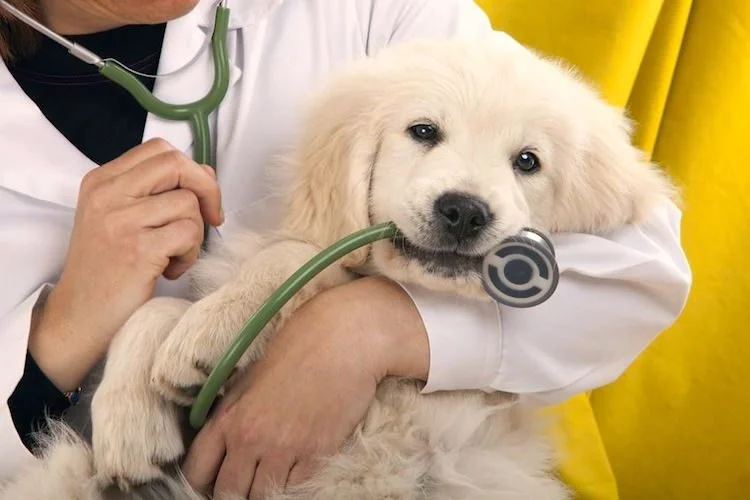
1. Understanding Blockchain in Pet Medical Records
Blockchain is a technology that offers decentralized and transparent data storage. It has gained significant attention across various industries, including healthcare. In the world of pets, blockchain can be applied to manage medical records, providing pet owners and veterinarians with secure and easily accessible data. By using blockchain, pet health records can be stored safely and shared among authorized parties, improving overall care and coordination.
The unique nature of blockchain lies in its ability to create an immutable ledger, meaning once data is entered, it cannot be altered or erased without detection. This feature is particularly beneficial when it comes to sensitive medical data, offering a level of trust and accountability that is critical in the care of pets.
2. Use Cases of Blockchain for Pet Health Records
Blockchain technology has multiple use cases in the management of pet medical records. These include:

Centralized Access to Pet Health Data
Using blockchain, pet owners can create a centralized database for their pet's medical history, including vaccinations, surgeries, medications, and any ongoing treatments. This data can be accessed by veterinarians, pet owners, and any other authorized individuals, ensuring that everyone involved in the care of the pet has accurate and up-to-date information.
Cross-Institutional Data Sharing
Many pets receive care from multiple veterinarians or animal hospitals. Blockchain enables the sharing of pet medical records between different clinics, improving the efficiency of care. By providing a unified view of the pet's health, it allows for better diagnosis and treatment, reducing the risk of miscommunication or errors due to missing records.
Tracking and Managing Pet Medications
Blockchain can also be used to track medication usage. By storing detailed records of prescriptions and dosage schedules, both pet owners and veterinarians can monitor the administration of medications, helping prevent overmedication or missed doses.
3. Benefits of Blockchain Technology for Pets
There are several compelling reasons to adopt blockchain for managing pet health records:
Increased Security
Blockchain's decentralized nature makes it highly secure. By storing pet medical records on a blockchain, sensitive information is protected against hacking, fraud, or unauthorized access. The encrypted data ensures that only authorized individuals can view or modify the records.
Improved Accuracy
Since blockchain is an immutable ledger, once data is recorded, it cannot be tampered with. This ensures that pet health records are accurate and trustworthy. This accuracy is crucial for preventing errors in diagnosis and treatment, ultimately improving pet care.
Better Access and Transparency
Blockchain makes it easier for pet owners and veterinarians to access medical records. Whether it's for a routine checkup, an emergency, or a specialist consultation, authorized parties can access pet health information instantly. This transparency reduces the time spent locating records and facilitates more informed decision-making.
Cost Efficiency
Blockchain can reduce administrative costs associated with maintaining and transferring pet medical records. With automated processes and fewer intermediaries, managing pet health records becomes more streamlined, saving time and money for both pet owners and veterinary clinics.
4. Real-World Examples of Blockchain in Pet Health
Several innovative companies and platforms have started using blockchain to manage pet health records:
Pet Health Apps
Pet health apps powered by blockchain are emerging, allowing pet owners to manage their pets’ health data from a mobile device. These apps can securely store medical history, appointment schedules, and medication records, all in one place, while enabling easy sharing with veterinarians and clinics.
Veterinary Blockchain Networks
Some veterinary networks have started integrating blockchain to create a collaborative, decentralized platform where pet health information can be accessed across multiple practices. These networks help ensure that every veterinarian involved in a pet’s care has access to complete and up-to-date records, making treatment plans more effective.
Blockchain for Pet Insurance
Blockchain is also being used to manage pet insurance claims. By securely recording medical treatments and claims on the blockchain, pet insurance companies can quickly verify claims, reducing fraud and improving the efficiency of the claims process. This ensures that pet owners get the proper compensation for their pets' care without unnecessary delays.
5. The Future of Blockchain for Pet Medical Records
As blockchain technology continues to evolve, its role in pet healthcare is expected to expand. Future developments could include even more seamless integration of pet medical data across various platforms, advanced AI-driven analysis of pet health records, and greater interoperability between healthcare providers and insurance companies. With ongoing innovation, blockchain could revolutionize the way we manage and share pet health information.
6. Finding Products to Manage Your Pet's Health Records
If you’re interested in managing your pet’s health with blockchain technology, several tools and services are available. Look for apps or services that offer secure, blockchain-based record-keeping systems. For the best products and services, visit Pet & Puppy to discover the best options for tracking your pet’s health records.





 PetVet365 Pet Hospital Jeffersonville IN/North Louisville4.0 (108 reviews)
 World of Pets LLC4.0 (878 reviews)
 Family VetCare of Chandler4.0 (132 reviews)
 VIP Petcare Vaccination Clinic0.0 (0 reviews)
 The Chlorophyll Corner - Mesa, AZ4.0 (178 reviews)
 Lovet Pet Health Care - Arrow4.0 (1490 reviews)
 Pet First Aid Basics: CPR, Wounds & Handling Injuries
 Canine Cognitive Dysfunction: How to Recognize & Manage Pet Dementia in Dogs
 Why Is My Dog Limping? Common Causes and When to See a Vet - Pet & Puppy
 How to Recognize Illnesses Before They Get Serious in Pets
 The Role of Gut Microbiome in Pet Mental Health and Behavior
 How to Monitor Pet Vital Signs at Home Safely – A Complete Guide