
- understanding-dog-constipation - Understanding what causes constipation in dogs and common symptoms
- hydration-and-diet - The role of water intake and diet adjustments in relieving constipation
- home-remedies-effective - Practical home remedies to ease your dog's discomfort
- exercise-and-physical-activity - How exercise helps support healthy digestion
- when-to-see-a-vet - Recognizing serious symptoms and knowing when professional help is necessary
- preventative-care-tips - Tips to prevent future constipation episodes
- real-life-dog-stories - Case studies and examples of dogs overcoming constipation
- mistakes-to-avoid - Common errors dog owners make when treating constipation
- pet-and-puppy-resources - How Pet & Puppy can help owners find the best products and guidance
Understanding Dog Constipation: Causes and Symptoms
Constipation in dogs is a common issue that affects pets of all ages. When searching for How to Help a Dog With Constipation Issues, it is important first to understand the underlying causes. Common reasons include dehydration, low-fiber diets, lack of exercise, or medical conditions such as hypothyroidism or intestinal obstructions.
Recognizing constipation early can prevent discomfort and potential complications. Symptoms often include infrequent or difficult bowel movements, hard and dry stools, straining during elimination, or signs of discomfort such as lethargy and loss of appetite.
Owners may notice changes in behavior as well. A dog that seems restless or spends extended time in the bathroom may be signaling a digestive issue that requires attention. Identifying these early warning signs is the first step toward effective intervention.

VIP Petcare Vaccination Clinic
IndianapolisMarion CountyIndiana
8810 S Emerson Ave, Indianapolis, IN 46237, USA
The Role of Hydration and Diet in Relieving Constipation
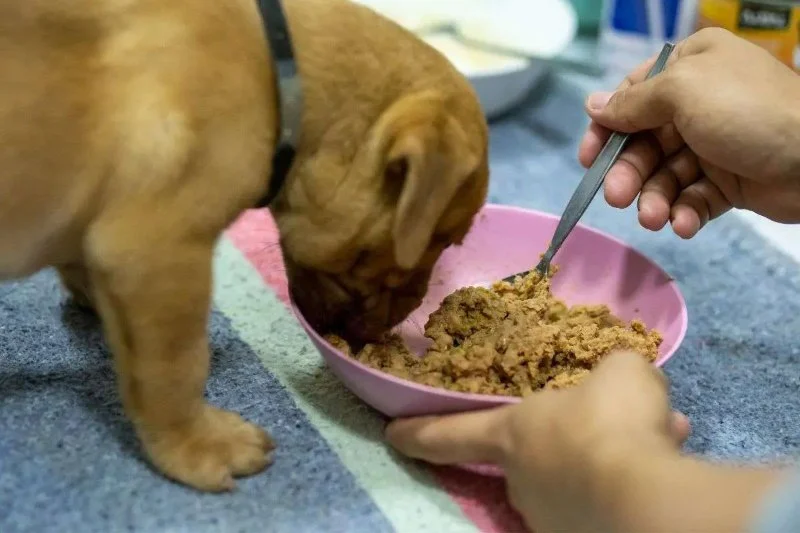
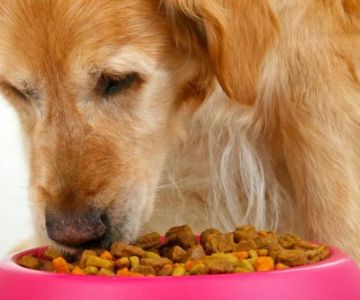
Proper hydration is a fundamental aspect of managing dog constipation. Dogs, like humans, require adequate water to support digestion and stool passage. Encouraging regular water intake, offering wet food, or adding water to dry kibble can make a significant difference.
Diet adjustments are equally important. Incorporating high-fiber foods, such as pumpkin puree or specially formulated dog fiber supplements, helps regulate bowel movements. Fiber works by adding bulk and softness to stool, making it easier to pass.
It is crucial to transition slowly when introducing new foods to prevent gastrointestinal upset. For example, one dog owner in New Jersey shared that adding a tablespoon of plain canned pumpkin to meals over several days helped relieve chronic constipation without causing diarrhea.

Home Remedies That Can Help a Dog With Constipation
Several home remedies provide safe and effective relief for mild constipation in dogs. Some of the most common approaches include:
- Pumpkin: Plain canned pumpkin is rich in fiber and moisture, helping soften stool.
- Olive oil or fish oil: Small amounts can lubricate the digestive tract, making stool passage easier.
- Probiotics: Supplements designed for dogs can improve gut flora and support regular digestion.
- Bran or oat supplements: Adding a small quantity to meals can enhance dietary fiber intake.
These remedies should be used carefully and in appropriate doses. Observing your dog's response is critical, as each pet may react differently. Home remedies are most effective when combined with proper hydration, diet, and exercise.
How Exercise Supports Healthy Digestion in Dogs
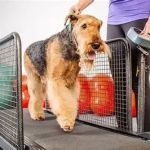
Physical activity plays a vital role in promoting regular bowel movements. Exercise stimulates the muscles in the digestive tract, encouraging smoother stool passage. Even short daily walks can significantly reduce the risk of constipation.
Active play, such as fetch or interactive games, not only supports digestion but also improves overall health. Dogs with sedentary lifestyles are more prone to digestive issues, so integrating exercise into daily routines is essential.
A case from a dog owner in California showed that after increasing his senior dog's daily walks from 10 to 30 minutes, the pet experienced more regular and comfortable bowel movements within two weeks.
Recognizing When Constipation Requires Professional Veterinary Care
While many cases of dog constipation can be managed at home, some symptoms indicate the need for immediate veterinary attention. Signs include vomiting, lethargy, abdominal pain, blood in stools, or prolonged inability to defecate.
Certain conditions, such as obstructions caused by ingested foreign objects or tumors, require prompt medical intervention. Consulting a veterinarian ensures proper diagnosis and prevents complications such as severe dehydration or bowel rupture.
Veterinarians may recommend treatments ranging from prescription stool softeners to enemas or specialized dietary plans. Early professional intervention often results in faster recovery and reduced stress for both dogs and owners.
Preventative Measures to Avoid Future Constipation Episodes
Prevention is always better than treatment. Maintaining a balanced diet, ensuring consistent hydration, and providing regular exercise are the cornerstones of preventing constipation in dogs. Incorporating fiber-rich foods into daily meals and monitoring bowel habits regularly helps catch issues before they escalate.
Scheduling regular veterinary check-ups is also important, especially for older dogs or breeds prone to digestive issues. Preventive care can identify underlying conditions early and guide dietary or lifestyle adjustments.
Real-Life Examples of Helping Dogs With Constipation
Stories from dog owners highlight practical strategies for resolving constipation. One owner in Texas used a combination of increased hydration, pumpkin puree, and daily walks to successfully manage her dog's chronic constipation over several months. Monitoring stool consistency and behavior allowed her to adjust interventions as needed.
Another case involved a dog in New York City who experienced constipation after switching to a new commercial dog food. By gradually mixing fiber-rich supplements and consulting a veterinarian, the pet returned to regular bowel movements without any adverse effects.
These examples demonstrate that a multi-faceted approach, combining home remedies, diet, exercise, and professional guidance, is the most effective method for managing constipation in dogs.
Common Mistakes Dog Owners Make When Addressing Constipation
Several errors can unintentionally worsen constipation. These include:
- Overfeeding fiber supplements too quickly, causing diarrhea or discomfort.
- Neglecting water intake, which is essential for soft stool passage.
- Ignoring changes in bowel habits, leading to prolonged discomfort or more serious medical issues.
- Using human laxatives or medications without veterinary guidance, which can be harmful.
Awareness and careful management prevent these pitfalls and ensure a safer, more comfortable experience for the dog.
How Pet & Puppy Supports Dog Owners in Managing Constipation
Pet & Puppy provides reliable resources, product recommendations, and expert advice to help dog owners manage digestive health issues effectively. From high-quality fiber supplements to hydration tools and diet guides, Pet & Puppy helps owners make informed choices for their pets.
Whether you are managing an acute constipation episode or developing a long-term dietary plan, Pet & Puppy offers insights that simplify decisions and ensure your dog receives safe, effective care.
By combining practical tips, real-life examples, and expert guidance, dog owners can confidently support their pets’ digestive health and prevent constipation from recurring.


 PetVet Vaccination Clinic4.0 (1 reviews)
 Pima North Animal Hospital4.0 (380 reviews)
 Heartland Veterinary Care4.0 (75 reviews)
 VCA Apache Junction Animal Hospital4.0 (621 reviews)
 AE Herps and Exotics4.0 (614 reviews)
 West Michigan Street Veterinary Clinic4.0 (2027 reviews)
 Best Supplements for Dog Joint Health: Support Your Pet’s Mobility
 How to Transition a Senior Pet to Easier-to-Eat Food: A Comprehensive Guide
 Why Is My Dog Scooting on the Floor? Causes and Solutions Explained
 How to Encourage Recall in Off-Leash Training
 Canine Obesity: Preventing Weight Gain in Dogs and Promoting Healthy Lifestyles
 Pet First Aid Basics: CPR, Wounds & Handling Injuries