
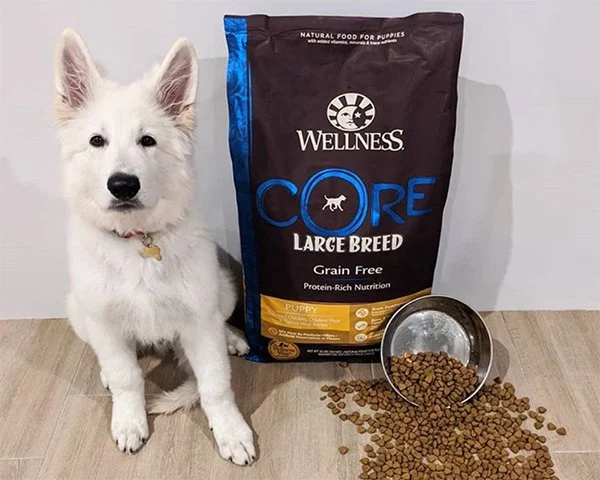
What Most Owners Don’t Realize About Feeding Large Breed Puppies Too Early or Too Fast
- 1 - Growth Nutrition Basics - Why Large Breed Puppies Need Special Diets
- 2 - Protein and Calcium Balance - The Hidden Key to Healthy Bone Development
- 3 - Feeding Mistakes Owners Make - When Good Intentions Go Wrong
- 4 - Real Puppy Stories - What Happens With Wrong Nutrition Choices
- 5 - Choosing the Best Dog Foods for Large Breed Puppies - What Actually Matters
- 6 - Feeding Schedule Strategy - Preventing Rapid Growth Issues
- 7 - Veterinary Guidance - What Experts Recommend for Long-Term Health
1. Growth Nutrition Basics - Why Large Breed Puppies Need Special Diets
Raising a large breed puppy is exciting, but it comes with responsibilities that many first-time dog owners underestimate. When searching for the best dog foods for large breed puppies, it is important to understand that these dogs grow differently compared to smaller breeds. Their bones, joints, and muscles develop at a much faster rate, but not always in a balanced way.
Unlike small dogs, large breed puppies such as Golden Retrievers, German Shepherds, and Labradors are prone to developmental issues if their growth is not carefully controlled. Rapid growth may look healthy on the surface, but internally it can place excessive pressure on developing joints.
Nutrition during this stage is not just about feeding enough—it is about feeding correctly. A well-balanced diet ensures steady growth, strong bone formation, and reduced risk of long-term mobility problems.

2. Protein and Calcium Balance - The Hidden Key to Healthy Bone Development
One of the most important factors in choosing the best dog foods for large breed puppies is maintaining the correct balance of protein, calcium, and phosphorus. Many owners assume “more protein equals better growth,” but this is not always true.

Arizona Humane Society Veterinary Clinic at South Mountain Campus
1521 W Dobbins Rd, Phoenix, AZ 85041, USA
2.1 Protein and Muscle Development
Protein supports muscle growth, but excessive levels can lead to overly rapid weight gain. Large breed puppies need controlled protein levels that support steady development rather than accelerated growth.
2.2 Calcium Regulation
Calcium plays a critical role in bone formation. However, too much calcium can disrupt skeletal development and lead to conditions such as hip dysplasia or joint misalignment.
2.3 Balanced Nutrition Formula
The ideal puppy food for large breeds is carefully formulated to provide moderate energy levels, controlled calcium, and digestible protein sources. This balance ensures the puppy grows at a healthy and sustainable pace.
Veterinarians often emphasize that improper calcium supplementation at home is one of the most common mistakes new dog owners make.
3. Feeding Mistakes Owners Make - When Good Intentions Go Wrong
Many pet owners unintentionally harm their puppies’ development by overfeeding or choosing inappropriate food types. Understanding these mistakes is essential when selecting the best dog foods for large breed puppies.
3.1 Overfeeding for “Faster Growth”
Some owners believe a bigger puppy means a healthier puppy. In reality, excessive feeding leads to rapid weight gain that strains developing joints and ligaments.
3.2 Using Adult Dog Food Too Early
Adult dog food lacks the controlled nutrient ratios required for growing puppies. Feeding adult formulas too early can result in nutrient imbalances during critical growth phases.
3.3 Inconsistent Feeding Schedules
Irregular feeding times can disrupt digestion and energy balance, affecting overall development.
These mistakes are common but preventable with proper education and awareness.
4. Real Puppy Stories - What Happens With Wrong Nutrition Choices
Real-life experiences often highlight the importance of proper nutrition more effectively than theory.
4.1 The Fast-Growing Labrador Case
A Labrador puppy in Ohio was fed high-calorie food without portion control. Within six months, the dog was significantly overweight for its age and began showing signs of joint stiffness. A veterinarian later recommended switching to a controlled large-breed diet to correct growth patterns.
4.2 The “Healthy Looking but Problematic” German Shepherd
Another case involved a German Shepherd puppy that appeared strong and healthy but developed early hip discomfort due to excessive calcium intake from homemade supplements.
4.3 The Balanced Growth Success Story
A Golden Retriever puppy raised on a properly balanced diet grew steadily over 18 months with no joint issues. The owner followed strict feeding guidelines and avoided unnecessary supplements.
These stories show how the best dog foods for large breed puppies are not just about brand choice but about proper nutritional strategy.
5. Choosing the Best Dog Foods for Large Breed Puppies - What Actually Matters
Selecting the right food requires more than reading packaging labels. It involves understanding ingredients, nutritional balance, and developmental needs.
5.1 Quality Protein Sources
Look for identifiable animal proteins such as chicken, lamb, or salmon rather than vague meat by-products.
5.2 Controlled Calorie Density
Large breed puppies need moderate calorie intake to prevent overly rapid weight gain.
5.3 Joint-Supporting Nutrients
Ingredients like glucosamine and chondroitin support healthy joint development, which is essential for large breeds.
Choosing the right formula is one of the most important decisions a pet owner can make during early development stages.
Many pet parents explore trusted resources like Pet & Puppy to find carefully selected nutrition options tailored specifically for large breed development needs.
6. Feeding Schedule Strategy - Preventing Rapid Growth Issues
Even the best dog foods for large breed puppies will not be effective without proper feeding structure. Timing and portion control play a major role in development.
6.1 Meal Frequency
Puppies generally require multiple small meals per day to maintain stable energy levels and digestion efficiency.
6.2 Portion Measurement
Accurate portion control prevents overeating and helps maintain consistent growth patterns.
6.3 Growth Monitoring
Regular weight and size tracking helps ensure the puppy is developing within healthy parameters.
Owners who maintain structured feeding schedules often report fewer digestive issues and healthier joint development.
7. Veterinary Guidance - What Experts Recommend for Long-Term Health
Veterinarians consistently emphasize that large breed puppies should not be rushed through growth stages. Controlled development is key to preventing lifelong mobility issues.
Experts recommend avoiding unnecessary supplements unless prescribed and focusing instead on complete, balanced nutrition formulas specifically designed for large breeds.
They also stress that early nutrition decisions have long-term consequences. Joint issues, skeletal imbalances, and weight problems often originate during puppyhood.
For owners seeking reliable guidance and carefully selected nutrition options, platforms like Pet & Puppy offer curated recommendations that align with veterinary standards and real-world puppy development needs.
Ultimately, choosing the best dog foods for large breed puppies is not just about feeding—it is about shaping a healthy future for your dog. With proper nutrition, structured feeding habits, and informed decision-making, owners can ensure their puppies grow into strong, active, and healthy adult dogs.



 RLM Veterinary Services P.C.4.0 (106 reviews)
 Shelby Street Animal Clinic4.0 (580 reviews)
 Veterinary Acupuncture and Alternative Medicine in Phoenix5.0 (30 reviews)
 Madison Animal Clinic4.0 (199 reviews)
 Crocker Animal Hospital Scottsville behind Pizza Hut4.0 (108 reviews)
 Bellevue Animal Hospital4.0 (144 reviews)
 How to Use CBD or Hemp Products for Pets: What Science Says
 Best Dog Foods for Sensitive Skin and Allergies | Pet & Puppy
 How to Calm a Nervous Pet During a Thunderstorm or Fireworks – Expert Tips
 Best Food Options for Dogs With Kidney Issues
 Managing Chronic Conditions in Pets: Essential Diet, Medication & Lifestyle Tips
 Best Dog Flea and Tick Sprays for Yard Protection Guide