
- 1. Understanding Pet First Aid
- 2. CPR for Pets: A Life-Saving Skill
- 3. How to Handle Pet Wounds Effectively
- 4. Dealing with Common Pet Injuries
- 5. Real-Life Example: Pet First Aid in Action
- 6. Explore Pet First Aid Products at Pet & Puppy
1. Understanding Pet First Aid
When it comes to taking care of your pet, emergencies can happen at any time. Knowing the basics of pet first aid can be crucial in ensuring the safety and health of your furry friend. Pet first aid includes a variety of skills, from CPR and wound care to how to handle different types of injuries. Just as you would be prepared to administer first aid to a human, being prepared to help your pet in an emergency is just as important.
Whether it’s a cut, burn, choking, or even something more serious like a heart attack, having a basic understanding of pet first aid can make all the difference in an emergency situation. In this guide, we’ll cover essential first aid techniques for pets, focusing on CPR, how to handle wounds, and managing injuries until you can get your pet to a professional veterinarian.

CityVet | Chandler Veterinary & Urgent Care
ChandlerMaricopa CountyArizona
3165 S Alma School Rd Ste 23, Chandler, AZ 85248, USA
2. CPR for Pets: A Life-Saving Skill
CPR (cardiopulmonary resuscitation) for pets is a critical skill that every pet owner should be familiar with. When a pet’s heart or breathing stops, immediate action is necessary to help revive them. Performing CPR on your pet correctly could save their life. Here’s what you need to know about CPR for pets:

Livewell Animal Hospital of Anchorage
LouisvilleJefferson CountyKentucky
12317 Old Lagrange Rd, Louisville, KY 40245, USA
1. Recognizing the Signs of Cardiac Arrest
Before administering CPR, it’s important to recognize when it’s necessary. If your pet is unresponsive, not breathing, or has no pulse, you should begin CPR immediately. Checking for breathing can be done by observing the chest and feeling for airflow. You can also check for a pulse by feeling the femoral artery inside the hind leg.
2. How to Perform CPR on Dogs
For most dogs, you’ll need to perform chest compressions. Here’s how:
- Place your dog on their side on a flat surface.
- Use one hand for small dogs and two hands for larger dogs to compress the chest.
- Perform compressions at a rate of 100-120 per minute, allowing the chest to fully recoil between compressions.
- Check for breathing and continue CPR until your pet starts breathing or you reach a vet.
3. Performing CPR on Cats
For cats, CPR is very similar to that for dogs, but because they are much smaller, you’ll need to adjust your technique. Use your fingers to gently compress the chest, and be very careful with the amount of pressure you apply. Perform compressions and mouth-to-mouth resuscitation (if needed) and continue until professional help arrives.
3. How to Handle Pet Wounds Effectively
Wounds are common in pets, whether from cuts, scrapes, or more serious injuries. Knowing how to properly care for these wounds is key to preventing infection and promoting healing. Here’s a step-by-step guide on how to manage wounds on your pet:
1. Assess the Wound
When your pet gets hurt, the first step is to assess the wound. Is it bleeding heavily? Is it deep? If your pet has sustained a major injury or deep cut, it’s important to seek professional veterinary care right away. However, for minor wounds, you can handle the injury at home.
2. Clean the Wound
To clean a wound, gently wash it with lukewarm water and mild soap. Avoid using harsh chemicals or alcohol, as these can irritate the wound. After cleaning, apply an antiseptic solution specifically designed for pets to disinfect the area. Make sure to remove any debris that may have gotten into the wound.
3. Bandage the Wound
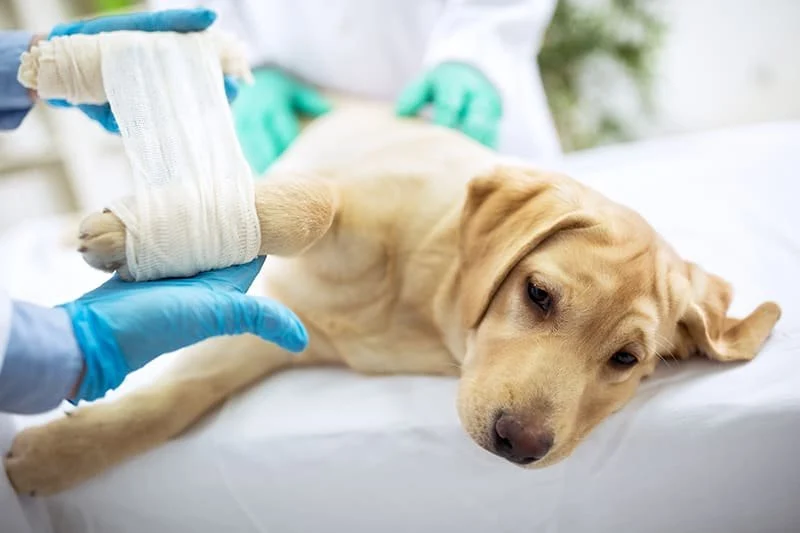
Once the wound is cleaned, you can cover it with a sterile bandage. Wrap the bandage snugly, but not too tight, to avoid cutting off circulation. Keep an eye on the bandage, changing it regularly to prevent infection. If the wound is in a location that your pet can easily lick, consider using an Elizabethan collar to prevent them from disturbing the area.
4. Dealing with Common Pet Injuries
Besides cuts and scrapes, there are other common injuries that pets may face. Here are a few examples of how to handle them:
1. Sprains and Strains
If your pet has a sprain or strain, you should rest the affected limb and limit movement to prevent further injury. You can apply a cold compress for 15-20 minutes at a time to reduce swelling. If the injury is serious, take your pet to the vet for a professional evaluation.
2. Poisoning
If you suspect your pet has ingested something toxic, immediately contact your vet or an emergency pet poison hotline. Common household items like chocolate, certain plants, and cleaning products can be poisonous to pets. Acting quickly can make all the difference in saving your pet’s life.
3. Choking
If your pet is choking, you may need to perform the Heimlich maneuver. For small dogs and cats, hold them upside down and gently apply pressure to their abdomen. For larger dogs, place them on their back and apply firm pressure just below the ribcage. If the object is not dislodged, seek immediate veterinary care.
5. Real-Life Example: Pet First Aid in Action
Sarah, a dog owner, was walking her dog in the park when her dog suddenly stepped on something sharp, cutting its paw. Sarah knew exactly what to do. She cleaned the wound, applied antiseptic, and carefully bandaged it. After the injury was managed, she kept a close watch to ensure no infection set in. Thanks to her knowledge of basic pet first aid, Sarah was able to handle the injury quickly, ensuring her dog healed without complications. Her story illustrates how pet first aid can help you respond effectively during emergencies.
6. Explore Pet First Aid Products at Pet & Puppy
If you’re looking for pet first aid products, visit Pet & Puppy for a wide selection of high-quality items like bandages, antiseptics, and more. We offer the best tools and resources to help you care for your pet in case of an emergency. Equip yourself with the right products and knowledge to keep your furry friend safe and healthy.






 Heart's Ease Veterinary Care5.0 (100 reviews)
 Crosscreek Housecall4.0 (452 reviews)
 Premier Farm & Pet4.0 (115 reviews)
 Animal Emergency Center3.0 (109 reviews)
 Blue Cross Animal Hospital3.0 (159 reviews)
 VIP Petcare Vaccination Clinic0.0 (0 reviews)
 Best Practices for Pet Grooming Frequency by Breed: Keeping Your Pet’s Coat Healthy
 Are Grain-Free Formulas Safe for Pets? What You Should Know
 How to Use Behavior Tracking Apps to Monitor Your Pet’s Mood: A Guide for Pet Owners
 Comparing Pet Telehealth Services: What to Look For in Online Veterinary Care
 How to Read & Understand Pet Nutrition Labels for Your Pet's Health
 How to Build Confidence in a Shy Pet: Effective Tips and Techniques