
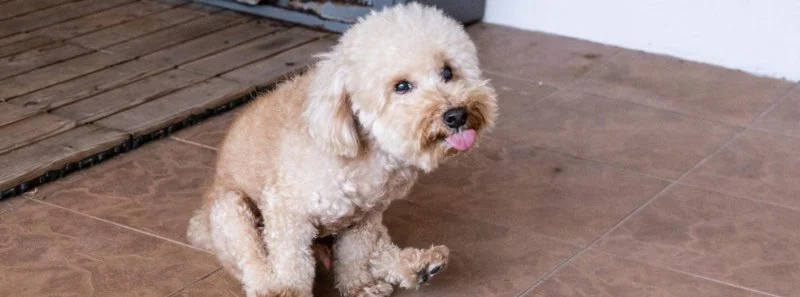
Why Is My Dog Scooting on the Floor? Causes and Solutions Explained
If you’ve noticed your dog scooting on the floor, you’re not alone. This common behavior can be concerning, but it often has a straightforward cause. In this article, we’ll explain the reasons why dogs scoot, and provide tips and solutions to help you address this behavior and keep your pet happy and healthy.
- 1. Anal Gland Problems
- 2. Allergies and Skin Irritations
- 3. Parasites
- 4. Digestive Issues
- 5. Solutions and Treatments
1. Anal Gland Problems
The most common reason for dogs to scoot on the floor is discomfort caused by anal gland issues. These glands, located near the dog’s anus, can become full, impacted, or infected, causing discomfort and the urge to scoot to relieve pressure.
1.1 What Happens When Anal Glands Become Impacted?
When a dog’s anal glands are full and unable to empty naturally, they can cause discomfort and pain, leading the dog to scoot as a way to relieve the pressure. In some cases, impacted anal glands can become infected and may require veterinary intervention.

LLLReptile & Supply Chandler
ChandlerMaricopa CountyArizona
975 W Chandler Blvd, Chandler, AZ 85225, USA
1.2 Symptoms of Anal Gland Issues
Signs that your dog may have anal gland issues include scooting, licking the rear area excessively, or a foul smell emanating from the anal region. If you notice these symptoms, it’s important to have your dog examined by a veterinarian for treatment.
2. Allergies and Skin Irritations
Dogs may also scoot due to skin irritations caused by allergies. Common allergens, such as pollen, dust mites, or certain foods, can cause itching and inflammation, making your dog uncomfortable and prompting them to scoot to relieve the irritation.
2.1 Identifying Allergies in Dogs
Allergy symptoms in dogs can include scooting, licking, scratching, and excessive grooming. You may also notice hair loss, red or inflamed skin, or watery eyes. If you suspect allergies, it’s best to consult a veterinarian for testing and advice on how to manage the condition.
2.2 Common Allergy Triggers
Food allergies, environmental factors (like pollen or dust mites), and flea bites are some of the most common triggers for allergies in dogs. Identifying the specific allergen will help you manage your dog’s symptoms more effectively.
3. Parasites
Parasites such as worms, fleas, and ticks can also cause scooting behavior. Fleas, in particular, can lead to itchy skin around the anus, causing your dog to scoot in an attempt to relieve the discomfort.
3.1 How Parasites Cause Scooting
Fleas and ticks are common causes of itching and irritation, leading to scooting. Additionally, intestinal worms can cause discomfort in the rectal area, which may prompt your dog to drag its rear end on the floor.
3.2 Prevention and Treatment
Regular flea and tick prevention, as well as deworming treatments, are key to keeping your dog free from parasites. If you suspect that parasites are the cause of your dog’s scooting, consult with a veterinarian for proper diagnosis and treatment.
4. Digestive Issues
Sometimes, dogs may scoot due to digestive issues such as constipation or diarrhea. Straining during bowel movements or discomfort in the digestive tract can lead to scooting as the dog attempts to find relief.
4.1 Digestive Problems and Scooting
If your dog is scooting frequently and also showing signs of digestive issues like constipation, diarrhea, or vomiting, it could indicate an underlying gastrointestinal problem. These issues can lead to discomfort that prompts the dog to scoot in an attempt to alleviate the sensation.
4.2 When to Seek Veterinary Care
It’s important to consult a veterinarian if your dog’s scooting is accompanied by digestive issues. A vet will be able to assess your dog’s overall health and recommend appropriate treatments to address the gastrointestinal concerns.
5. Solutions and Treatments
Depending on the underlying cause of your dog’s scooting, treatment options will vary. Here are some general tips and solutions to address scooting:
5.1 Regular Vet Check-Ups
If your dog is scooting regularly, it’s essential to take them for a check-up with a veterinarian. A professional can help diagnose the cause and provide the appropriate treatment, whether it’s for anal gland problems, allergies, parasites, or digestive issues.
5.2 Maintaining Proper Hygiene
Regularly cleaning your dog’s anal area can help prevent irritation and discomfort. Use a damp cloth to gently clean the area, especially after bowel movements.
5.3 Dietary Adjustments
If digestive issues are contributing to the scooting, your veterinarian may recommend dietary changes or supplements to improve your dog’s digestion. Fiber-rich foods can help with constipation, and probiotic supplements can promote gut health.
By identifying the cause of your dog’s scooting and addressing it with the appropriate treatment, you can help your furry friend feel more comfortable. If you’re unsure of the cause, don’t hesitate to consult a veterinarian for expert guidance and solutions.
For more tips on dog care, visit Pet & Puppy.



 Priority Pet Hospital4.0 (393 reviews)
 Animal Hospital of Danville4.0 (138 reviews)
 South Heritage Animal Hospital: Camp Whitney D DVM3.0 (3 reviews)
 Stony Brook Animal Hospital4.0 (113 reviews)
 VIP Petcare Vaccination Clinic0.0 (0 reviews)
 The Chlorophyll Corner - Mesa, AZ4.0 (178 reviews)
 How to Make Vet Visits Less Stressful for Pets
 Best Dog Harnesses With No-Pull Design
 How to Tell if Your Pet Has Arthritis: Symptoms, Care, and Treatment
 How to Stop Excessive Barking: Tools & Training Tips for Dogs
 Best Dog Foods for Allergic Reaction Support: Top Picks for Sensitive Dogs
 How to Train Your Dog to Be Alone at Home: Expert Tips and Strategies