
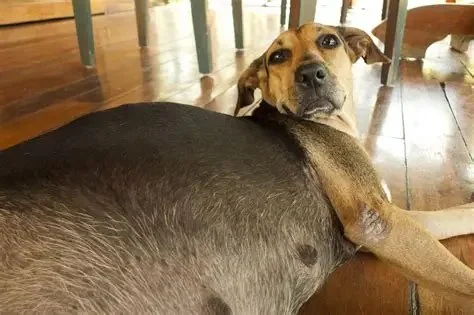
1. Understanding Dog Pregnancy
When a dog is pregnant, her body undergoes significant changes, and it's essential for owners to provide the right care to ensure the health of both the mother and her puppies. A dog’s pregnancy typically lasts around 58-68 days, depending on the breed. Knowing the signs of pregnancy and understanding the stages of her pregnancy can help you care for her properly.
Early signs of pregnancy include changes in behavior, a decrease in activity level, and possibly some morning sickness. As the pregnancy progresses, you’ll notice a noticeable increase in her belly size and changes in her appetite. During this time, it’s crucial to offer her the right environment, regular veterinary check-ups, and proper nutrition to support her health and the developing puppies.
Bridgeview Pet Wellness Clinic
11740 Olio Rd #300, Fishers, IN 46037, USA
2. Proper Care for a Pregnant Dog
Taking care of a pregnant dog requires more attention than usual. Here’s how you can help her stay comfortable and healthy throughout the pregnancy:
- Regular Vet Visits: Regular check-ups are essential to monitor the dog’s health and the development of the puppies. Your vet can check for complications and ensure that both the mother and puppies are growing well.
- Provide a Comfortable Resting Area: As her pregnancy progresses, she will need a quiet, comfortable place to rest. Ensure she has access to a calm environment away from too much noise or activity.
- Monitor Her Activity Level: Avoid strenuous exercise. Allow her to engage in light walks, but don’t overexert her. As her pregnancy advances, she may want to rest more often.
- Watch for Health Issues: Keep an eye on her for signs of complications like vomiting, loss of appetite, or unusual discharge. If you notice anything concerning, consult a veterinarian immediately.
3. Nutrition for a Pregnant Dog
Proper nutrition is one of the most critical aspects of caring for a pregnant dog. A well-balanced diet will ensure she gets the nutrients needed for her and her puppies’ health. Here are some nutrition tips for a pregnant dog:
- High-Quality Dog Food: Feed your dog a high-quality dog food that is specially formulated for pregnant or nursing dogs. These foods are rich in the nutrients she needs to support the pregnancy.
- Increased Caloric Intake: During pregnancy, your dog will need more calories to support the growth of the puppies. Gradually increase her food intake, especially during the second and third trimesters.
- Protein and Calcium: Protein is essential for muscle development, and calcium supports the bone development of the puppies. Look for food with higher protein content, and consider supplementing with a calcium-rich food if advised by your vet.
- Frequent, Smaller Meals: As your dog’s belly grows, she may not be able to eat large meals. Offer her smaller, more frequent meals to prevent discomfort and ensure she’s getting enough nutrients.
4. Exercise for a Pregnant Dog
Exercise is still important during pregnancy, but it should be adjusted to the dog’s changing needs. During the early stages of pregnancy, she may still enjoy her usual exercise routine. However, as the pregnancy progresses, you should reduce the intensity of her physical activity. Here’s how to approach exercise for a pregnant dog:
- Short, Gentle Walks: Short walks can help keep her active and avoid weight gain. Stick to gentle walks and avoid any strenuous or high-impact activities.
- Avoid Rough Play: You should avoid any rough play or activities that might put unnecessary stress on her body. Stick to calm interactions that don’t strain her physically.
- Monitor Her Comfort: Always watch for signs of exhaustion or discomfort. If she seems tired or reluctant to move, allow her to rest.
5. Preparing for Labor and Whelping
As the due date approaches, there are several steps you can take to ensure she’s ready for labor and whelping:
- Prepare a Whelping Box: Create a quiet, clean, and comfortable space for your dog to give birth. A whelping box will give her a safe area to deliver her puppies and keep them warm.
- Monitor Her Temperature: A drop in body temperature can indicate that labor is approaching. Check her temperature regularly in the days leading up to her due date, and contact your vet if it drops.
- Know the Signs of Labor: Look for signs such as nesting behavior, restlessness, and pacing. If she shows signs of distress or if labor does not progress after several hours, contact your vet for advice.
6. Common Questions About Helping a Pregnant Dog
If you’re new to caring for a pregnant dog, you likely have some questions. Here are answers to some of the most common ones:
- How do I know if my dog is pregnant? Early signs include a decrease in activity, slight weight gain, and changes in appetite. A vet can confirm the pregnancy through ultrasound or a blood test.
- What should I avoid feeding a pregnant dog? Avoid feeding your dog raw food or foods that are toxic to dogs, such as chocolate, onions, or grapes. Stick to high-quality commercial dog food designed for pregnant dogs.
- When should I take my pregnant dog to the vet? Regular vet visits are essential, but if your dog shows signs of complications such as excessive vomiting, unusual discharge, or severe lethargy, seek immediate veterinary care.




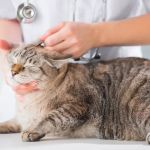 Banfield Pet Hospital4.0 (322 reviews)
 Sixth Day Veterinary Practice4.0 (28 reviews)
 PetVet Vaccination Clinic5.0 (1 reviews)
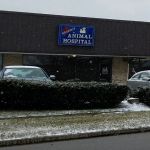 Regency Animal Hospital4.0 (53 reviews)
 Shively Animal Clinic & Hospital: Cohn Rachel DVM4.0 (30 reviews)
 Caring Critters Animal Hospital4.0 (641 reviews)
 Redirecting Destructive Chewing in Puppies – Effective Solutions for Pet Owners
 The Effect of Seasonal Allergies on Pets & How to Help
 The Psychology Behind Pet Bonding: What Science Reveals
 Benefits of Virtual Vet Consultations: When It Makes Sense
 How to Build Confidence in a Shy Pet: Effective Tips and Techniques
 How to Advocate for Your Pet’s Health: What Owners Should Know