
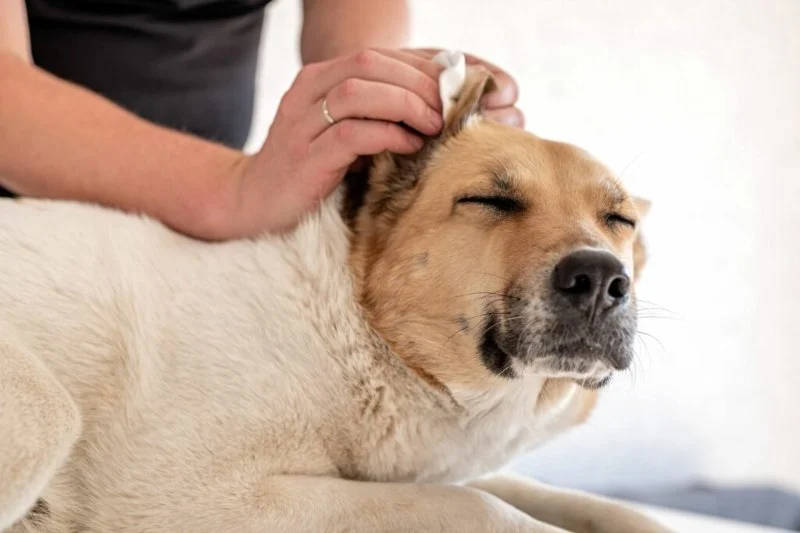
Why Is My Dog Scratching Its Ears So Much? Understanding the Common Causes
As a pet owner, it can be concerning when you see your dog scratching its ears excessively. While occasional scratching is normal, if it becomes persistent, it may indicate an underlying issue. Itchy ears in dogs can be caused by a variety of factors, ranging from allergies to ear infections. In this article, we will explore the most common reasons your dog might be scratching its ears, and provide guidance on how to address and treat these issues.

South 31 Veterinary Clinic
IndianapolisMarion CountyIndiana
5911 U.S. 31 N South, Indianapolis, IN 46227, USA
Common Causes of Ear Scratching in Dogs
There are several reasons why your dog may be scratching its ears more than usual. Understanding the cause is essential to finding the right solution. Here are some of the most common causes of ear itching and discomfort in dogs:
- Ear Infections – One of the most common causes of excessive scratching in dogs is an ear infection. These infections can be caused by bacteria, yeast, or fungi, and they often result in itching, redness, and discharge. Infections can develop when moisture or debris gets trapped in the ear, creating an ideal environment for bacteria to thrive.
- Allergies – Just like humans, dogs can develop allergies to environmental factors such as pollen, dust mites, or even certain foods. Allergies often manifest as itchy ears, along with other symptoms like watery eyes, sneezing, or skin rashes. In some cases, allergic reactions can lead to chronic ear issues in dogs.
- Ear Mites – Ear mites are tiny parasites that can infest your dog's ears, leading to intense itching. They are most commonly seen in puppies or outdoor dogs, and they can cause a dark, waxy discharge in the ears. Ear mites are contagious, so if you have multiple pets, it's important to treat all of them to prevent spread.
- Foreign Objects – Sometimes, dogs may scratch their ears due to something stuck in them, such as grass, dirt, or even a small insect. Foreign objects can irritate the ear canal, causing your dog to scratch in an attempt to relieve the discomfort.
- Dry Skin or Dermatitis – Dry, flaky skin inside the ears can also lead to scratching. Dermatitis, or inflammation of the skin, can be triggered by various factors such as environmental changes, poor grooming, or the use of harsh chemicals in shampoos.
How to Identify Ear Problems in Dogs
It's important to recognize the signs of ear issues in dogs early on to prevent them from becoming more serious. Here are some common symptoms of ear problems to watch for:
- Excessive Scratching – If your dog is scratching its ears frequently or aggressively, it’s a clear sign that something is bothering them.
- Head Shaking – Dogs with ear discomfort often shake their heads in an attempt to relieve irritation. If you notice your dog shaking its head repeatedly, it could be a sign of an ear infection or other issue.
- Redness or Swelling – Check the inside of your dog’s ears for any signs of redness, swelling, or warmth. These are signs of inflammation that could indicate an infection.
- Discharge or Odor – Foul-smelling discharge, whether it’s dark or yellowish in color, is a common sign of ear infections. A strong odor coming from the ears is often an indication that bacteria or yeast is present.
- Dry or Crusty Skin – If the skin inside your dog’s ears appears dry, flaky, or crusty, it could be a sign of an allergy or skin condition like dermatitis.
How to Treat Ear Scratching in Dogs
Once you’ve identified the cause of your dog’s ear scratching, the next step is to take action. Here are some common treatments for ear problems in dogs:
- Veterinary Care – If you suspect an ear infection, allergy, or ear mites, it’s best to consult with a veterinarian. They can diagnose the issue and provide the appropriate treatment, which may include antibiotics, antifungal medication, or ear drops.
- Cleaning Your Dog’s Ears – Regular ear cleaning can help prevent infections and remove dirt or wax buildup. Use a vet-approved ear cleaner and gently wipe your dog’s ears with a soft cotton ball. Be careful not to insert anything into the ear canal, as this can cause injury.
- Allergy Management – If allergies are the cause of the scratching, your vet may recommend allergy medications or a change in your dog’s diet. You can also minimize exposure to environmental allergens by keeping your dog indoors during peak pollen seasons.
- Treating Ear Mites – If your dog has ear mites, your vet will provide a treatment plan, which may include medicated ear drops or a topical solution to eliminate the parasites.
- Hydrating the Skin – If dry skin is the issue, moisturizing treatments and using gentle, hypoallergenic shampoos can help soothe the skin and reduce irritation.
Real-Life Case Example: Treating a Dog’s Ear Scratching
Take the case of Daisy, a 3-year-old golden retriever, who started scratching her ears incessantly. After visiting the vet, it was discovered that Daisy had a yeast infection in her ears, which was causing the discomfort. Her veterinarian prescribed antifungal ear drops, and with regular ear cleaning and medication, Daisy’s symptoms were alleviated. Her owner, Sarah, learned the importance of routine ear care and now ensures that Daisy’s ears are checked regularly to avoid further issues. Daisy’s story highlights how prompt veterinary care and proper ear hygiene can help prevent ear problems and reduce discomfort for dogs.

Preventing Future Ear Problems in Dogs
Preventing ear problems in dogs starts with regular ear maintenance and awareness of potential triggers. Here are a few tips to keep your dog’s ears healthy:
- Routine Ear Checks – Regularly check your dog’s ears for signs of redness, swelling, or buildup of wax. Early detection can prevent infections from worsening.
- Keep Ears Dry – Moisture can contribute to ear infections, especially in breeds with floppy ears. Make sure your dog’s ears are dry after baths or swimming.
- Proper Grooming – Regular grooming and trimming of the hair around your dog’s ears can help prevent dirt and moisture buildup that could lead to ear issues.
- Balanced Diet – A healthy diet can improve your dog’s immune system and reduce the risk of allergies and skin problems, including those affecting the ears.
If you're unsure about your dog's ear health, or if they’re showing signs of discomfort, consider visiting Pet & Puppy for trusted products and advice on how to care for your dog’s ears and overall health.





 Johnson Amy DVM4.0 (4 reviews)
 Banfield Pet Hospital4.0 (272 reviews)
 Dixie Animal Clinic4.0 (135 reviews)
 101 SPAY & NEUTER OF SCOTTSDALE4.0 (9 reviews)
 E & L Pets4.0 (474 reviews)
 Liberty Veterinary Hospital4.0 (139 reviews)
 How to Teach Your Dog Advanced Tricks: A Step-by-Step Guide
 Canine Cognitive Dysfunction: How to Recognize & Manage Pet Dementia in Dogs
 How 3D Printing Is Being Used in Pet Prosthetics & Surgery
 Socializing Your Dog: The Essential Guide to Timing, Techniques, and Benefits
 Coping with Pet Separation During Long Vacations: Tips & Solutions
 How to Read the “Guaranteed Analysis” on Pet Food Labels