
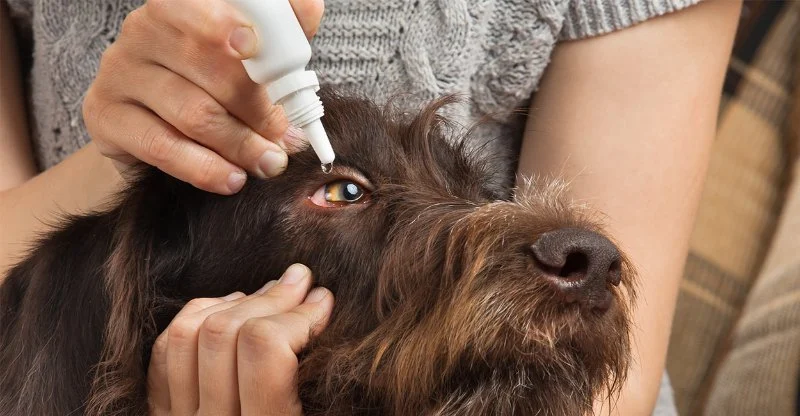
- Importance of Eye Health for Pets
- Conjunctivitis in Pets
- Cataracts in Pets
- Preventative Care for Pet Eyes
- Real-Life Examples of Pet Eye Health Issues
Importance of Eye Health for Pets
Maintaining eye health in pets is just as important as caring for their overall well-being. Vision plays a critical role in how pets interact with their environment, and untreated eye conditions can lead to discomfort, loss of vision, and even more severe health problems. Pet owners should pay close attention to the condition of their pet's eyes and be proactive in addressing potential issues before they become serious.
Pets, especially older ones, are prone to eye diseases like conjunctivitis and cataracts, which can negatively impact their quality of life. Early detection and proper care can make a significant difference in preventing vision loss and ensuring a happy, healthy life for your furry companion.

Vetco Vaccination Clinic
2501 W Happy Valley Rd Suite 6, Phoenix, AZ 85085, USA
Conjunctivitis in Pets
Conjunctivitis, commonly known as "pink eye," is a condition that causes inflammation of the tissue lining the eyelids and covering the eyeball. This condition can affect pets of all ages, and while it’s not always serious, it can lead to discomfort, discharge, and, if untreated, more severe complications.
### Causes of Conjunctivitis in Pets
Conjunctivitis in pets can be caused by various factors, including:
- Infections: Bacterial, viral, or fungal infections can lead to conjunctivitis in pets. For example, upper respiratory infections in cats can often lead to secondary eye infections.
- Allergies: Pets may experience eye inflammation due to allergies from environmental triggers like pollen, dust, or mold.
- Trauma: Physical injury to the eye can lead to conjunctivitis, causing swelling and irritation.
- Foreign Bodies: Objects like dust, hair, or even small particles can get into a pet's eye, causing irritation and inflammation.
### Symptoms of Conjunctivitis in Pets
Common symptoms include:
- Red, swollen eyes
- Excessive tearing or discharge
- Squinting or sensitivity to light
- Frequent pawing at the eyes
If you notice these symptoms, it's essential to consult with a veterinarian. Treatment typically involves eye drops or ointments, and addressing the underlying cause of the conjunctivitis will help prevent it from recurring.

PAWSH Premier Animal Wellness & Surgery Hospital: Dr. Adrienne Price DVM
Bowling GreenWarren CountyKentucky
7134 Russellville Rd, Bowling Green, KY 42101, USA
Cataracts in Pets
Cataracts occur when the lens of the eye becomes cloudy, affecting a pet’s ability to see clearly. While cataracts are more common in older pets, they can also be congenital or develop due to other health issues like diabetes.
### Causes of Cataracts in Pets
The primary causes of cataracts in pets include:
- Aging: Just like humans, pets can develop cataracts as they age, typically starting as small opacities that can gradually worsen over time.
- Diabetes: Pets with diabetes are more prone to developing cataracts, which can lead to blindness if not managed properly.
- Genetics: Some dog breeds, such as Poodles and Cocker Spaniels, are genetically predisposed to developing cataracts at a young age.
- Trauma or injury: Physical trauma to the eye can result in cataracts developing after an injury.
### Symptoms of Cataracts in Pets
Pets with cataracts often show signs such as:
- Cloudy or milky-looking eyes
- Difficulty seeing or bumping into objects
- Increased light sensitivity
- Changes in behavior, such as avoiding stairs or new surroundings
If cataracts are left untreated, they can lead to blindness. Surgery is often the most effective treatment for cataracts in pets, and early intervention can help preserve their vision and quality of life.
Preventative Care for Pet Eyes
Preventing eye issues in pets is crucial for their long-term health. By incorporating a few simple habits into your pet's routine, you can help keep their eyes healthy and reduce the risk of developing serious conditions like conjunctivitis and cataracts.
### Regular Check-ups
Schedule regular check-ups with your veterinarian to monitor your pet’s eye health. A professional can spot any early signs of eye disease before they become major issues, ensuring your pet's vision remains protected.
### Keep Eyes Clean
For pets with longer fur, especially around the eyes, regular grooming can help prevent eye infections. Keep the area clean by gently wiping away any discharge with a clean cloth.
### Provide a Healthy Diet
A balanced diet rich in nutrients like Vitamin A and Omega-3 fatty acids can help maintain your pet's eye health. These nutrients support vision and can reduce the risk of cataracts and other eye diseases.
### Limit Exposure to Irritants
Limit your pet’s exposure to allergens, smoke, and other environmental irritants. Dust, pollen, and harsh chemicals can contribute to eye problems, including conjunctivitis.
Real-Life Examples of Pet Eye Health Issues
Eye health issues in pets can sometimes take pet owners by surprise. Here are a couple of examples of pets with eye health conditions:
1. Bella the Shih Tzu: Bella, a 7-year-old Shih Tzu, developed conjunctivitis after a seasonal allergy flare-up. Her owner noticed excessive tearing and a red, swollen eye. After visiting the vet, Bella was prescribed eye drops, and her symptoms improved within a few days. This case illustrates the importance of recognizing the signs early and getting treatment promptly.
2. Rex the Labrador: Rex, an older Labrador, was diagnosed with cataracts when his owner noticed his cloudy eyes and difficulty navigating stairs. After a thorough examination, Rex underwent cataract surgery, which restored his vision and improved his quality of life. This case highlights the need for regular eye checks as pets age, especially for breeds predisposed to cataracts.





 Fish Happens4.0 (426 reviews)
 Aquarium Artisans4.0 (442 reviews)
 SKILLMAN Veterinary Services- Equine Veterinarian Clinic4.0 (57 reviews)
 Lovet Pet Health Care - Dobson Ranch4.0 (1119 reviews)
 Cornerstone Animal Clinic PLLC4.0 (245 reviews)
 Applewood Animal Hospital4.0 (313 reviews)
 How to Use CBD or Hemp Products for Pets: What Science Says
 The Tough Truths About Pet Ownership | Pet & Puppy
 How to Vet a New Pet Food Brand: 10 Warning Flags
 Pet Insurance 101: What It Covers & When It Pays
 The Mental Health of Pets: Signs They Need Emotional Support
 Which Pet Supplements Are Worth the Money (and Which Aren’t)?