
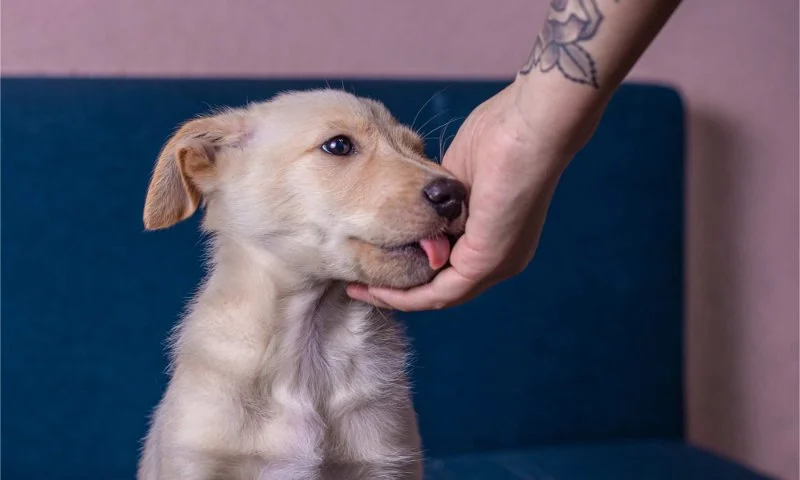
- Understanding Dog Licking Behavior
- Top Reasons Why Dogs Lick People
- The Emotional Connection Behind Licking
- Health and Hygiene Considerations
- When Licking Becomes a Problem
- Final Thoughts on Dog Licking
Understanding Dog Licking Behavior
Dogs have many ways of communicating with humans, and licking is one of the most common behaviors they exhibit. But what does it really mean when your dog licks you? Licking can indicate a wide variety of things, from affection to a need for attention. It is important to recognize that licking is a natural and instinctual behavior for dogs, often tied to both social and survival functions.
Top Reasons Why Dogs Lick People
There are several reasons why dogs lick their owners. Some of the most common include:
- Affection: Just like humans hug or kiss to show affection, dogs may lick their owners as a way of expressing love and attachment.
- Seeking Attention: Dogs often lick when they want attention or are seeking interaction. It’s their way of initiating contact.
- To Taste You: Dogs are naturally curious creatures, and licking may simply be a way for them to explore their environment and you.
- Submissive Behavior: In dog packs, licking the face of a more dominant member is a sign of respect and submission. Your dog may lick you as a way of acknowledging your position in their life.
- Comfort and Stress Relief: Licking can also serve as a self-soothing behavior when a dog is feeling anxious, stressed, or uncomfortable.
The Emotional Connection Behind Licking
Licking can be a deeply emotional behavior that strengthens the bond between you and your dog. Dogs view their owners as part of their pack, and licking can be a way for them to reaffirm that connection. It is a form of communication that expresses loyalty, trust, and affection. Many dogs lick their owners because they feel safe and loved in their presence.
In some cases, licking may also occur when a dog is feeling particularly joyful or excited. This is often seen when a dog greets its owner after a long day apart or when they are happy to be around you. It’s their way of showing enthusiasm and a warm welcome.
Health and Hygiene Considerations
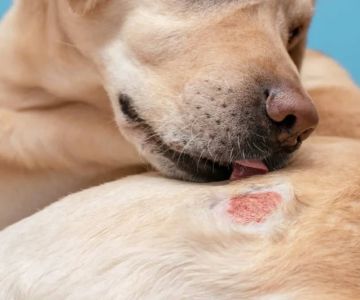
While dog licking is generally harmless, there are some health and hygiene considerations to keep in mind. It’s important to regularly clean your dog’s paws and face, as licking can transfer germs or bacteria, especially if the dog has been outside or around other animals. Moreover, some dogs may lick excessively, which could indicate an underlying health issue such as allergies, infections, or skin conditions.
If your dog’s licking becomes compulsive or is accompanied by other signs of illness (such as excessive drooling, lethargy, or behavioral changes), it’s advisable to consult with a veterinarian. Ensuring your dog is in good health will also help manage their licking behavior.
When Licking Becomes a Problem
While occasional licking is normal, excessive licking can become a problem, especially if it is directed towards you or others in a disruptive way. If your dog’s licking becomes obsessive or frequent, it may indicate underlying behavioral issues such as anxiety, boredom, or even a compulsive disorder.
In these cases, it’s important to address the root cause of the behavior. Providing mental and physical stimulation through exercise, play, and training can help reduce excessive licking. Additionally, positive reinforcement and consistency in training can help modify the behavior and redirect your dog’s attention when they begin to lick excessively.
Final Thoughts on Dog Licking
Licking is a normal and often affectionate behavior for dogs, but it’s essential to understand the underlying reasons behind it. Whether it’s a sign of affection, seeking attention, or emotional comfort, dog licking serves many functions in a dog’s social and emotional life. Understanding these reasons will help you build a stronger connection with your dog and ensure their well-being. If you’re ever unsure about your dog’s behavior, consulting with a veterinarian or animal behaviorist is always a great step toward resolving any concerns.
For helpful products and services to manage your dog’s needs, visit Pet & Puppy for recommendations on everything from training to pet care.




 Vetco Vaccination Clinic4.0 (24 reviews)
 Rolling Hills Veterinary Service4.0 (551 reviews)
 Sorum Veterinary Services4.0 (27 reviews)
 Monfort Heights Animal Clinic4.0 (236 reviews)
 VIP Petcare Vaccination Clinic0.0 (0 reviews)
 Goshen Animal Clinic4.0 (130 reviews)
 How to Introduce a New Kitten or Puppy to Kids
 How to Stop Your Pet from Jumping on Guests
 How Heatstroke Affects Pets: Symptoms, Prevention, and Emergency Action
 How to Build Confidence in a Shy Pet: Effective Tips and Techniques
 Crate Training 101: Simple Steps for Stress-Free Success
 Best Dog Foods for Sensitive Skin and Allergies: A Comprehensive Guide