
- 1. Understanding Allergic Dermatitis in Dogs
- 2. Common Symptoms of Allergic Dermatitis
- 3. Common Causes of Allergic Dermatitis in Dogs
- 4. How to Treat Allergic Dermatitis in Dogs
- 5. Preventing Allergic Dermatitis Recurrence
- 6. Additional Tips for Managing Your Dog’s Skin Health
1. Understanding Allergic Dermatitis in Dogs
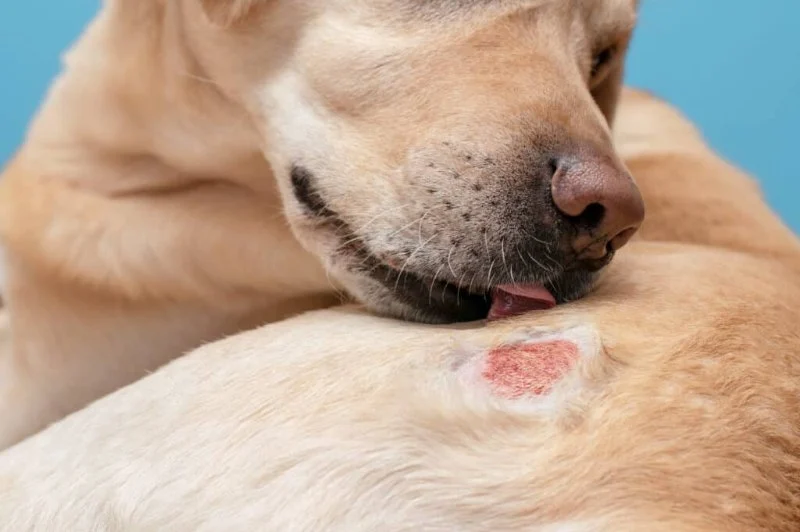
Allergic dermatitis is a common skin condition in dogs caused by an overreaction of the immune system to certain allergens. This condition can lead to itching, redness, and discomfort. While it can occur in dogs of any age or breed, certain dogs are more prone to developing allergic reactions due to genetic factors. It’s important to understand the condition and how to manage it effectively to keep your dog comfortable and healthy.

2. Common Symptoms of Allergic Dermatitis
The symptoms of allergic dermatitis can vary, but common signs include:
- Itchy or irritated skin
- Redness and inflammation, especially around the face, ears, paws, and underbelly
- Excessive licking or chewing of the affected areas
- Hair loss or thinning fur
- Dry, flaky skin or scabs
- Odor or infection from scratching
If you notice these symptoms, it’s important to consult your veterinarian for a proper diagnosis and treatment plan.

3. Common Causes of Allergic Dermatitis in Dogs
Allergic dermatitis can be triggered by a variety of factors. Common causes include:
3.1 Environmental Allergens
Environmental allergens, such as pollen, mold, dust mites, and seasonal changes, can affect your dog’s skin. These allergens may be inhaled or come into direct contact with your dog’s skin, causing an allergic reaction.
3.2 Fleas and Parasites
Fleas are one of the most common causes of allergic dermatitis in dogs. A flea bite can trigger an immune response, leading to intense itching and irritation. Other parasites, like mites or ticks, can also cause similar symptoms.
3.3 Food Allergies
Food allergies can lead to skin reactions, including dermatitis. Common allergens include beef, chicken, dairy, and grains. It’s important to work with your vet to identify potential food triggers.
3.4 Chemical Sensitivities
Harsh chemicals in cleaning products, shampoos, or even certain fabrics can irritate your dog’s skin and trigger allergic reactions. Choosing hypoallergenic products for your dog’s environment is essential.
4. How to Treat Allergic Dermatitis in Dogs
Treating allergic dermatitis in dogs involves a combination of veterinary care, at-home remedies, and lifestyle changes. Here are some treatment options:
4.1 Veterinary Treatment
Your veterinarian may recommend antihistamines, corticosteroids, or other medications to manage inflammation and itching. In severe cases, antibiotics may be needed if an infection develops from excessive scratching.
4.2 Topical Treatments
Topical creams and ointments can help soothe irritated skin and provide relief. Medicated shampoos designed for sensitive skin are also beneficial in treating and preventing flare-ups.
4.3 Flea Control
If fleas are the cause, it's important to treat your dog with flea prevention medication and thoroughly clean their living environment. Flea collars, sprays, and monthly preventatives can be used to keep fleas at bay.
4.4 Diet Adjustments
Switching your dog to a hypoallergenic diet can help alleviate food allergies. Working with your vet to identify and eliminate food triggers is an important step in treatment.
5. Preventing Allergic Dermatitis Recurrence
Prevention is key to managing allergic dermatitis. Some tips for preventing flare-ups include:
- Regularly bathing your dog with a gentle, hypoallergenic shampoo.
- Maintaining a clean home environment to reduce exposure to allergens like dust mites and pollen.
- Using flea prevention treatments year-round.
- Introducing food trials to identify and avoid food allergens.
6. Additional Tips for Managing Your Dog’s Skin Health
To support your dog’s skin health and reduce the risk of allergic dermatitis, consider the following tips:
6.1 Regular Grooming
Frequent brushing helps remove allergens from your dog’s fur and promotes healthy skin. Regular grooming also allows you to spot any early signs of skin issues.
6.2 Moisturizing Treatments
Using a dog-safe moisturizing spray or conditioner can help keep your dog’s skin hydrated and prevent dryness, especially during colder months.
6.3 Stress Management
Stress can exacerbate skin conditions, so it’s important to keep your dog calm and relaxed. Regular exercise, a balanced routine, and a comfortable environment are key factors in your dog’s overall well-being.
If you’re looking for the best products to care for your dog’s allergic dermatitis, check out our recommendations on 【Pet & Puppy】 for top-rated skin care items that will help soothe and protect your dog’s skin.






 Fuchs Joyce DVM4.0 (15 reviews)
 Cummins John R DVM4.0 (10 reviews)
 Tucker Veterinary Clinic4.0 (61 reviews)
 Canine Wellness Center5.0 (41 reviews)
 Pet's Palace3.0 (882 reviews)
 H R GOUGH DVM4.0 (108 reviews)
 Remote Monitoring of Chronic Illness in Pets: A New Era in Pet Healthcare
 Why Do Cats Get Kidney Stones? Causes, Symptoms & Diet Strategies
 Dog Park Etiquette: Tips for Safe & Friendly Visits
 How to Introduce a New Puppy or Kitten to Existing Pets
 Choosing Wet vs Dry Food: When Each Is Best
 How to Stop Litter Box Problems in Cats: Common Mistakes