
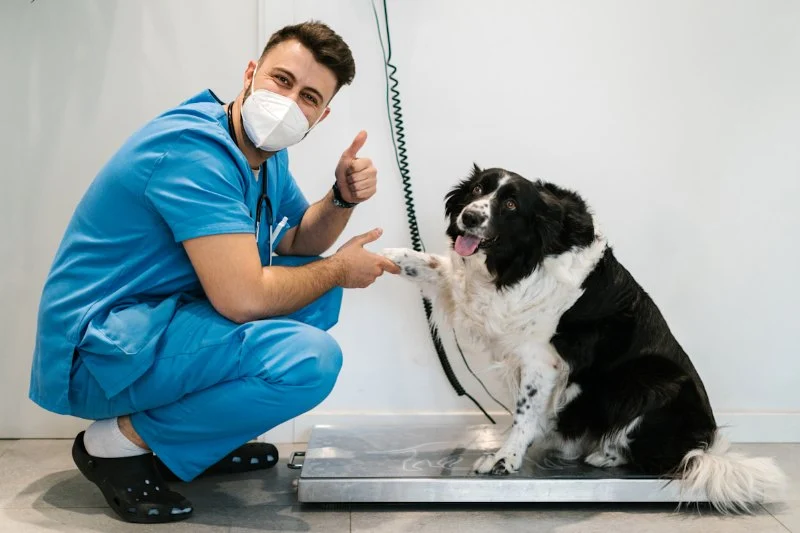
How to Help Your Dog Lose Weight Safely
- 1. Understanding Dog Obesity
- 2. Signs Your Dog Needs to Lose Weight
- 3. Creating a Safe Weight Loss Plan for Your Dog
- 4. Exercise for Dogs: A Key to Safe Weight Loss
- 5. Common Mistakes to Avoid During Your Dog’s Weight Loss Journey
1. Understanding Dog Obesity
Obesity is one of the most common health issues affecting dogs today. Just like in humans, carrying excess weight can lead to a variety of health problems for your dog, including joint pain, diabetes, heart disease, and a shorter lifespan. Understanding the causes of obesity in dogs is essential to prevent and treat this condition. Factors such as poor diet, lack of exercise, overfeeding, and even genetics can contribute to your dog's weight gain.
Addressing obesity requires a holistic approach, including changes to your dog’s diet and exercise habits. With the right guidance, you can help your dog achieve and maintain a healthy weight, ensuring they live a long and happy life.

2. Signs Your Dog Needs to Lose Weight
It can be easy to overlook your dog’s weight gain, especially if they have a thick coat or are very active. However, being overweight or obese is a serious issue. Here are some common signs that your dog may need to lose weight:
- Visible Ribcage: You should be able to feel your dog's ribs without too much pressure. If you can’t feel them easily, your dog may be carrying excess weight.
- Overweight Belly: A sagging or rounded belly is a sign that your dog has accumulated extra fat, particularly around their midsection.
- Reduced Energy Levels: If your dog seems lethargic or struggles to keep up during walks, it could be a sign that their weight is affecting their energy and stamina.
- Joint Issues: Obesity puts extra strain on your dog’s joints, leading to stiffness, limping, or difficulty getting up after resting.
If you notice any of these signs, it’s time to take action and begin your dog’s weight loss journey to improve their overall health and well-being.

3. Creating a Safe Weight Loss Plan for Your Dog
When creating a weight loss plan for your dog, it’s important to take things slow and steady. Rapid weight loss can lead to health problems, so make sure to consult with your veterinarian before starting any new diet or exercise routine. Here's how to get started:
- Set Realistic Goals: Your dog’s weight loss should be gradual. Aim for a weight loss of 1-2% of their body weight per week. This helps prevent muscle loss and other health risks.
- Measure Food Portions: Overfeeding is one of the leading causes of obesity in dogs. Measure your dog’s food portions carefully, and avoid free-feeding. Follow the portion guidelines recommended by your veterinarian based on your dog’s size and breed.
- Switch to a Healthy Diet: Choose a weight management or high-protein, low-fat dog food to support weight loss. Avoid treats that are high in calories and opt for healthier alternatives like carrots or apple slices.
- Increase Exercise: Gradually increase your dog’s exercise levels to help burn calories and improve overall fitness. Start with shorter walks and gradually build up to longer outings as your dog’s stamina improves.
It’s essential to be consistent and patient when helping your dog lose weight. Weight loss is a long-term commitment, but the results are worth it for your dog’s health and happiness.
4. Exercise for Dogs: A Key to Safe Weight Loss
Exercise is crucial when it comes to helping your dog lose weight. Regular physical activity not only helps burn calories but also promotes overall health. Here are some great ways to increase your dog’s activity level:
- Daily Walks: Regular walks are a great way to help your dog burn calories. Aim for at least 30 minutes of walking per day, and vary the route to keep things interesting.
- Playtime: Interactive play, such as fetch or tug-of-war, can be a fun and effective way to get your dog moving. These activities are especially useful for high-energy breeds.
- Swimming: If your dog enjoys water, swimming is an excellent low-impact exercise that’s easy on the joints while providing a full-body workout.
Incorporating these activities into your dog’s daily routine will help them lose weight safely while also improving their overall fitness and happiness.
5. Common Mistakes to Avoid During Your Dog’s Weight Loss Journey
When it comes to weight loss, there are some common mistakes dog owners make that can hinder progress. Avoid these mistakes to ensure your dog stays healthy and on track:
- Skipping Meals: Skipping meals may seem like a quick fix, but it can lead to malnutrition and a slow metabolism in dogs. Stick to regular feeding schedules to keep their energy levels stable.
- Using Too Many Treats: While treats are great for rewarding your dog, excessive treats can add unnecessary calories. Be mindful of treat portions, and consider healthy alternatives like vegetables.
- Overexercising Too Soon: While exercise is key, overdoing it can cause injury, especially if your dog is overweight. Gradually increase activity levels and consult with your veterinarian if you’re unsure about the appropriate intensity for your dog.
By avoiding these mistakes and following a well-rounded weight loss plan, you’ll be helping your dog achieve a healthier weight and a better quality of life.


 All Pets Veterinary Center4.0 (187 reviews)
 Standout Serpents4.0 (58 reviews)
 Sonoran Foothills Pet Clinic4.0 (154 reviews)
 Lovet Pet Health Care - Scottsdale Hills4.0 (377 reviews)
 Smith Kevin D DVM5.0 (1 reviews)
 PetSmart Veterinary Services - Gilbert5.0 (22 reviews)
 Why Is My Dog Limping? Common Causes and When to See a Vet - Pet & Puppy
 How to Handle Pet Jealousy When You Have More Than One Pet
 How to Keep Senior Dogs Active and Healthy
 The Impact of Diet on Pet Skin & Coat Health: How Nutrition Influences Fur Quality
 How IoT Devices Are Helping Pet Owners Stay Informed
 DIY Frozen Treats for Pets: Recipes & Safety Tips