
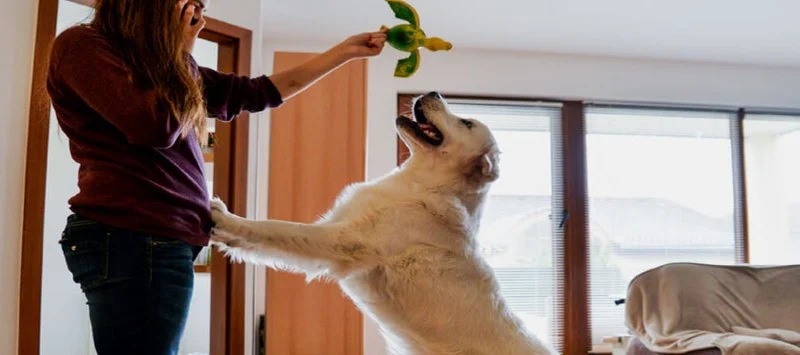
How to Stop Your Pet from Jumping on Guests
- Understanding the Behavior
- Why Do Pets Jump on Guests?
- Training Techniques to Stop Jumping
- Real-Life Stories: Success in Stopping Jumping
- Additional Tips for Preventing Jumping
1. Understanding the Behavior
Pets jumping on guests can be frustrating, but understanding the underlying reasons for this behavior is key to addressing it. Jumping is often a natural response for many pets, particularly dogs. It’s important to first acknowledge that this behavior is not necessarily aggressive but usually stems from excitement, affection, or an attempt to get attention.
Before diving into the methods for stopping this behavior, let’s explore why pets jump and how you can effectively train them to stop this habit.

2. Why Do Pets Jump on Guests?
There are several reasons why pets, particularly dogs, may jump on guests. Here are the most common explanations:

Raining Cats & Dogs Grooming Salon
ScottsdaleMaricopa CountyArizona
10636 N 71st Way, Scottsdale, AZ 85254, USA
2.1 Excitement
One of the primary reasons pets jump on guests is excitement. When someone enters the home, your pet may feel thrilled by the new arrival and express this energy by jumping up to greet them. For pets that are eager to meet new people, jumping is their way of saying “hello” and showing enthusiasm.
2.2 Seeking Attention
Pets may also jump to get attention. If jumping has been reinforced in the past, such as receiving pets, treats, or verbal affection after jumping, they are more likely to repeat this behavior. They learn that jumping leads to rewards, even if the attention they receive is not always positive.
2.3 Reinforcement from Guests
Sometimes guests inadvertently reinforce jumping by greeting the pet with attention, whether it's petting or speaking to them. For a pet, any form of attention, even scolding, can feel like a reward, thus perpetuating the behavior.
3. Training Techniques to Stop Jumping
Stopping your pet from jumping on guests requires consistent training and reinforcement of appropriate behaviors. Here are some training techniques that can help curb jumping:
3.1 Ignore the Jumping
One of the most effective methods to stop jumping is to ignore the behavior entirely. When your pet jumps on you or a guest, immediately turn away and avoid any attention. This teaches your pet that jumping does not result in positive interaction. Only give attention when all four paws are on the ground, reinforcing the calm behavior you want to encourage.
3.2 Consistent Commands
Training your pet to respond to basic commands such as “sit” or “stay” is an effective way to prevent jumping. Before your pet can jump on a guest, instruct them to “sit” and reward them when they comply. Consistency is key—make sure to practice this regularly and ensure all family members follow the same rules.
3.3 Reward Calm Behavior
Rewarding calm behavior is crucial. When your pet remains calm and doesn’t jump, offer praise, treats, or a toy. This positive reinforcement helps your pet understand that staying calm and not jumping leads to a reward. Make sure that rewards are only given when the desired behavior is displayed, reinforcing the connection between calmness and positive outcomes.
3.4 Use a Leash for Control
For dogs, using a leash during greetings can help control their behavior. When a guest arrives, keep your dog on a leash and allow them to greet the guest while under control. If they begin to jump, gently guide them back into a sitting position and reward them for staying calm. Over time, they will learn that jumping is not the appropriate greeting behavior.
4. Real-Life Stories: Success in Stopping Jumping
Real-life stories can offer valuable insights into how these training methods work in practice. Take Sarah, for example. Her dog, Max, would jump on anyone who entered the house. After following the advice of a professional trainer, Sarah started using the “ignore the jumping” technique and rewarding Max for calm behavior. After a few weeks, Max began to greet guests politely without jumping, and Sarah felt more in control during visits.
Another success story comes from Jake, whose dog Daisy would jump on guests every time they arrived. Jake used consistent commands like “sit” and “stay,” paired with positive reinforcement. Soon, Daisy started to associate sitting with receiving attention and treats, and her jumping behavior was significantly reduced.
5. Additional Tips for Preventing Jumping
Here are some additional tips to help prevent your pet from jumping on guests:
5.1 Consistency Is Key
Whether you are training a puppy or an adult dog, consistency in commands and rewards is crucial. Make sure that everyone in the household is on the same page when it comes to discouraging jumping. The more consistent you are, the quicker your pet will learn.
5.2 Redirect the Energy
Some pets jump because they have excess energy. Make sure your pet gets enough exercise and mental stimulation through walks, playtime, and interactive toys. A tired pet is less likely to jump out of excitement.
5.3 Stay Calm Yourself
Lastly, it’s important for you to remain calm when training your pet. If you get frustrated or anxious, it may increase your pet’s excitement or anxiety. Keep your tone neutral and calm when giving commands, and always praise them for good behavior.
If you're looking for the best training tools and pet products to help stop your pet from jumping, visit Pet & Puppy, where you'll find a wide range of items that can support you in your pet training journey.






 CenterGrove Animal Clinic4.0 (208 reviews)
 Cumberland River Veterinary4.0 (85 reviews)
 Westside Animal Hospital4.0 (225 reviews)
 INDIANA REPTILE BREEDERS EXPO *once a month*4.0 (173 reviews)
 Petco4.0 (1409 reviews)
 Commonwealth Veterinary Clinic4.0 (215 reviews)
 How to Build Confidence in a Shy Pet: Effective Tips and Techniques
 The Best Online Communities for Pet Health Advice (and Their Risks)
 How to Discourage Counter-Surfing in Dogs: Tips and Techniques
 3D Imaging & Pet Diagnostics: What You Should Know
 Choosing Wet vs Dry Food: When Each Is Best
 Managing Chronic Conditions in Pets: Essential Diet, Medication & Lifestyle Tips