
- 1-why-active-dogs-need-structured-exercise
- 2-understanding-your-dogs-energy-level
- 3-morning-routines-that-start-the-day-right
- 4-afternoon-activities-for-physical-and-mental-stimulation
- 5-evening-exercise-that-promotes-better-behavior
- 6-common-exercise-mistakes-dog-owners-make
- 7-real-life-success-stories-from-active-dog-owners
- 8-building-a-long-term-fitness-plan-for-your-dog
1. Why Active Dogs Need Structured Exercise
One of the biggest mistakes dog owners make is assuming that a quick walk around the block is enough for an energetic dog. While some breeds are perfectly content with moderate activity, many active dogs require a much more structured approach to exercise. This is especially true for breeds originally developed for herding, hunting, working, or guarding.
The Best Daily Exercise Routines for Active Dogs go far beyond burning calories. Proper exercise helps maintain healthy joints, supports cardiovascular health, improves digestion, reduces anxiety, and prevents many behavioral problems that develop when dogs become bored.
Veterinarians and canine behavior specialists frequently point out that a tired dog is often a better-behaved dog. Excess energy that isn't released through healthy activities often appears in unwanted ways, including excessive barking, digging, chewing furniture, jumping on guests, or destructive behavior inside the home.
Exercise also provides valuable mental enrichment. Dogs experience the world through exploration, scent detection, problem-solving, and social interaction. Physical activity creates opportunities for all of these natural behaviors.
1.1 Physical Benefits of Daily Exercise
Regular exercise helps maintain a healthy weight, strengthens muscles, supports joint mobility, and reduces the risk of obesity-related health issues. Active dogs that receive appropriate exercise often enjoy longer, healthier lives.
1.2 Mental Health Benefits
Just like humans, dogs can experience stress and frustration. Physical activity releases energy while stimulating the brain, helping dogs remain calmer and more balanced throughout the day.
1.3 Why Consistency Matters
Dogs thrive on routine. A structured daily exercise schedule helps create predictability, which can reduce anxiety and improve overall behavior.
2. Understanding Your Dog's Energy Level
Before creating an exercise routine, it's important to understand your dog's unique needs. Not all active dogs require the same amount of activity.
2.1 Breed Characteristics
Border Collies, Australian Shepherds, Belgian Malinois, Labrador Retrievers, German Shorthaired Pointers, and Siberian Huskies are known for exceptionally high energy levels. These breeds often require significantly more exercise than smaller companion breeds.
2.2 Age Considerations
Puppies, adult dogs, and senior dogs all have different exercise requirements. Young dogs often benefit from shorter but more frequent activity sessions, while healthy adult dogs may enjoy longer workouts.
2.3 Personality Differences
Even within the same breed, energy levels vary. Some dogs naturally seek constant activity, while others prefer moderate exercise and extended relaxation periods.
2.3.1 Observing Daily Behavior
Signs that your dog needs more exercise include restlessness, pacing, excessive barking, chewing household items, and difficulty settling down indoors.
3. Morning Routines That Start the Day Right
Morning exercise sets the tone for the entire day. Dogs that release energy early often remain calmer and more focused afterward.
3.1 Brisk Walks
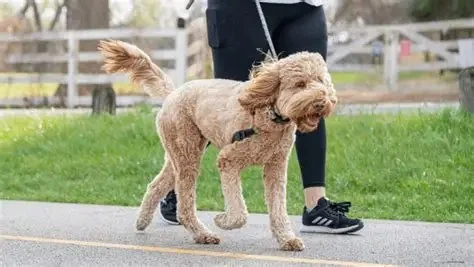
A 30 to 45-minute brisk walk provides both physical movement and mental stimulation through new sights, sounds, and scents.
3.2 Jogging Together
For highly active breeds, jogging can be an excellent way to build endurance. Many owners find that even 20 minutes of running significantly improves their dog's behavior throughout the day.
3.3 Fetch Sessions
Few activities match the efficiency of a good game of fetch. It combines sprinting, focus, obedience, and interaction with the owner.
3.3.1 Varying the Environment
Changing locations occasionally keeps exercise exciting and provides new mental challenges.
4. Afternoon Activities for Physical and Mental Stimulation
Midday activities can help break up long periods of inactivity, especially for dogs that spend time alone while owners are working.
4.1 Interactive Play Sessions
Tug-of-war, hide-and-seek, and scent games challenge both body and mind.
4.2 Agility Training
Agility exercises improve coordination, confidence, and focus. Simple backyard obstacle courses can provide excellent stimulation.
4.3 Swimming
Swimming offers a low-impact workout that is especially beneficial for dogs prone to joint stress.
4.3.1 Mental Workouts Matter Too
Physical exercise alone may not fully satisfy highly intelligent breeds. Puzzle toys, scent trails, and training sessions can be just as exhausting as physical activity.
5. Evening Exercise That Promotes Better Behavior
Many owners notice that dogs become especially energetic in the evening. Structured exercise during this period can prevent hyperactivity before bedtime.
5.1 Leisure Walks
An evening walk allows dogs to decompress while enjoying a slower pace than morning exercise.
5.2 Obedience Training Sessions
Combining exercise with training strengthens communication between owner and dog while reinforcing good behavior.
5.3 Social Interaction
Dog parks, supervised playdates, and group walks provide valuable opportunities for socialization.
5.3.1 The Importance of Cooling Down
Just like human athletes, dogs benefit from a cool-down period after intense exercise. Gradually reducing activity helps prevent muscle stiffness and discomfort.
6. Common Exercise Mistakes Dog Owners Make
Even well-intentioned owners can accidentally create exercise routines that are ineffective or potentially harmful.
6.1 Weekend Warrior Syndrome
Some owners provide minimal activity during the week and attempt to compensate with intense exercise on weekends. Dogs generally benefit more from consistent daily activity.
6.2 Ignoring Weather Conditions
Extreme heat and cold can create serious health risks. Exercise schedules should be adjusted based on environmental conditions.
6.3 Overexercising Young Dogs
Puppies have developing joints and bones. Excessive high-impact exercise can contribute to long-term orthopedic issues.
6.4 Assuming Physical Activity Is Enough
Many energetic dogs require both physical and mental stimulation. Ignoring cognitive enrichment often leaves dogs unsatisfied despite extensive exercise.
7. Real-Life Success Stories from Active Dog Owners
Mark, a software engineer from Colorado, adopted a young Australian Shepherd named Luna. Initially, Luna displayed destructive behavior whenever left alone. Shoes were chewed, furniture was scratched, and barking became a daily issue.
After consulting a trainer, Mark implemented a structured exercise schedule consisting of a morning run, afternoon scent games, and evening obedience training. Within weeks, Luna's behavior improved dramatically.
Similarly, Sarah from Oregon struggled with her Labrador Retriever's excessive energy. By adding swimming sessions and weekend hiking adventures, she noticed improved focus, better obedience, and a calmer temperament at home.
7.1 What These Stories Teach Us
The most effective exercise routines combine consistency, variety, mental challenges, and activities tailored to the dog's natural instincts.
8. Building a Long-Term Fitness Plan for Your Dog
The most successful dog owners view exercise as a lifelong commitment rather than a temporary solution. Dogs evolve throughout different life stages, and their activity plans should evolve as well.
8.1 Track Progress
Pay attention to weight, endurance, energy levels, and overall behavior. Small adjustments can significantly improve results over time.
8.2 Rotate Activities
Variety prevents boredom and challenges different muscle groups. Walking, hiking, swimming, training, and interactive games each offer unique benefits.
8.3 Invest in Quality Equipment
Durable leashes, harnesses, interactive toys, agility equipment, and training tools can improve both safety and enjoyment.
8.4 Seek Expert Resources
For owners looking to build the ideal exercise routine, Pet & Puppy offers valuable information, product recommendations, and resources designed to help dogs stay healthy, active, and mentally engaged throughout every stage of life.
The Best Daily Exercise Routines for Active Dogs are those that balance physical activity, mental stimulation, consistency, and enjoyment. By understanding your dog's individual needs and creating a thoughtful daily schedule, you can help prevent behavioral issues, support long-term health, and strengthen the bond you share. A well-exercised dog isn't simply tired—it is happier, healthier, and better equipped to enjoy every day to its fullest.





 House-Call Veterinary Service5.0 (6 reviews)
 West Chester Veterinary Care (WCVC)4.0 (120 reviews)
 North Lexington Veterinary Clinic4.0 (119 reviews)
 Bailey's Barking Goodies LLC0.0 (0 reviews)
 Indigo Veterinary Specialists0.0 (0 reviews)
 Lawrence County Animal Hospital4.0 (128 reviews)
 Signs Your Dog Needs Immediate Veterinary Care
 How to Stop Litter Box Problems in Cats: Common Mistakes
 Pet Eye Health: Conjunctivitis, Cataracts & Preventative Care
 Why Is My Dog Breathing Fast While Sleeping? Causes, Warning Signs, and Solutions
 The Best Indoor Activities to Keep Your Dog Mentally Stimulated | Pet & Puppy
 Freeze-Dried" Pet Food Trend: Is It Worth It?