
Common Mistakes That Lead to Litter Box Problems
Litter box problems are one of the most common issues faced by cat owners. If your cat refuses to use their litter box or has accidents around the house, there could be a few underlying causes. Understanding common mistakes that lead to these issues is the first step to resolving the problem. Let’s take a look at some of the most frequent mistakes cat owners make:

Squaw Peak Animal Hospital
3165 E Lincoln Dr # 115, Phoenix, AZ 85016, USA
1. Incorrect Litter Box Placement
The placement of your cat’s litter box is crucial for their comfort and willingness to use it. A litter box placed in a noisy or high-traffic area may make your cat feel anxious or unsafe. It’s important to place the litter box in a quiet, easily accessible location where your cat can feel comfortable and relaxed while using it.

Queen City Veterinary Clinic
954 E McMillan St, Cincinnati, OH 45206, USA
2. Not Cleaning the Litter Box Regularly
Cats are clean animals and are more likely to avoid a litter box that’s dirty. Failing to scoop out waste regularly or clean the box thoroughly can cause your cat to find alternative places to go. Aim to scoop the litter box at least once a day, and clean the entire box with soap and water every couple of weeks to ensure it stays fresh and odor-free.
3. Using the Wrong Type of Litter
Not all cats prefer the same type of litter. Some cats may be sensitive to the texture, scent, or material of certain litters. If you’ve recently changed the litter brand or type and your cat is now avoiding the box, it could be due to the new litter. Try experimenting with different types of litter to see what your cat prefers, and opt for unscented, clumping litter, which tends to be more popular among cats.
4. Having Too Few Litter Boxes
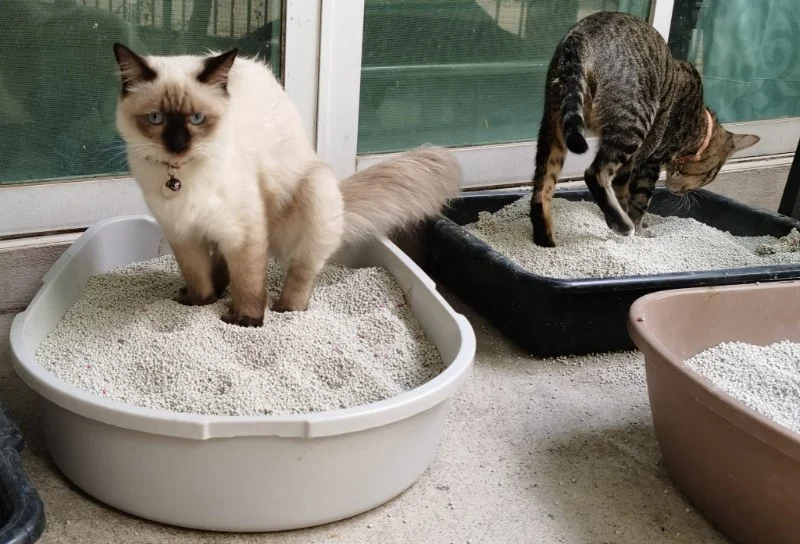
For multi-cat households, it’s important to have enough litter boxes to avoid territorial disputes. The general rule is one litter box per cat, plus one extra. If you have two cats, for example, you should have at least three litter boxes. This helps prevent stress and ensures each cat has a clean, available spot to use when needed.
5. Not Addressing Medical Issues
Sometimes, litter box problems are a sign of an underlying health issue. If your cat suddenly stops using the litter box or starts having accidents, it could be due to a urinary tract infection (UTI), bladder stones, or other medical conditions. Always consult with a vet if your cat’s litter box behavior changes abruptly to rule out any health problems.
Proper Litter Box Setup
Setting up the right litter box can make a big difference in your cat’s behavior. Here are some essential tips to ensure your litter box is set up in the best way possible:
1. Choose the Right Size and Type of Litter Box
The litter box should be large enough for your cat to move around in comfortably. A box that’s too small can make your cat feel cramped and unwilling to use it. For most cats, a standard rectangular box is suitable, but for larger breeds or cats with mobility issues, a bigger, low-entry box may be necessary.
2. Provide Litter Boxes in Quiet Locations
Your cat’s litter box should be placed in a quiet, private location where they feel safe. Avoid putting the box in high-traffic areas like near the kitchen or laundry room. Ideally, the box should be located in a calm room where your cat can go undisturbed.
3. Ensure Easy Access
Ensure the litter box is accessible to your cat, especially if they are a kitten or senior cat with limited mobility. If the sides of the box are too high, they may struggle to get in. A box with lower sides or a ramp can be a better option for cats with physical limitations.
Maintaining Litter Box Hygiene
Good hygiene is crucial when it comes to your cat’s litter box. Regular cleaning and maintenance not only help prevent odors but also ensure your cat remains healthy and comfortable. Here are some hygiene tips to keep in mind:
1. Scoop Daily
One of the most important steps in maintaining a clean litter box is scooping out waste daily. This ensures that your cat has a clean place to use and prevents waste from building up, which could cause discomfort or lead to health issues.
2. Use a Liner for Easy Cleaning
Using a litter box liner can help make the cleaning process easier. Liners prevent litter from sticking to the box and can be removed for a quicker, less messy cleaning process. Just be sure to clean the entire box thoroughly every week to keep it fresh.
3. Change the Litter Regularly
While daily scooping helps, it’s still essential to change the litter completely every 2-3 weeks, or more often if you have multiple cats. Changing the litter ensures your cat’s environment is clean and sanitary, which is especially important for preventing health issues like UTIs.
Understanding Your Cat's Behavior
Understanding your cat’s behavior is key to addressing litter box problems. Sometimes, the issues stem from stress, anxiety, or changes in your cat’s environment. Here’s what to look for:
1. Stress and Anxiety
Stress can cause cats to avoid their litter boxes. Changes in the household, such as the introduction of new pets or people, can lead to litter box issues. Be sure to provide a safe, quiet space for your cat and reduce any stressors in the environment.
2. Negative Association with the Litter Box
Sometimes, a cat may associate their litter box with something negative, such as pain from a previous injury or an uncomfortable experience. In such cases, changing the type of litter, the box, or even the location may help them overcome this issue.
Real-Life Cat Litter Box Stories
To give you a better understanding of how these issues can play out, here are some real-life stories:
Case 1: Luna the Shy Cat
Luna, a rescue cat, began avoiding her litter box after her family moved to a new home. At first, they thought it was just stress from the move. However, after a few weeks, Luna was still refusing to use the box. They eventually realized that the new location of the litter box was too close to the noisy laundry room. After moving it to a quiet corner of the house, Luna started using the box regularly again.
Case 2: Max the Senior Cat
Max, an older cat, started having accidents around the house despite having a clean litter box. His owner discovered that Max had arthritis and was having difficulty climbing into his old litter box. They switched to a low-entry box, and Max was able to use it comfortably again, without any issues.






 Animal Care Hospital: Halver Mark S DVM4.0 (32 reviews)
 Banfield Pet Hospital3.0 (202 reviews)
 Petco4.0 (613 reviews)
 Bur Oak Sports Medicine and Lameness4.0 (4 reviews)
 The Chlorophyll Corner - Mesa, AZ4.0 (178 reviews)
 Banfield Pet Hospital4.0 (322 reviews)
 Using Reward Schedules in Long-Term Training for Effective Learning
 How 3D Printing Is Being Used in Pet Prosthetics & Surgery | Pet & Puppy
 The Mental Health of Pets: Signs They Need Emotional Support
 How to Detect & Manage Pet Ear Tumors: A Comprehensive Guide
 Behavioral Cues That Suggest a Vet Visit Is Needed
 How to Turn a Pet Health Obsessed Owner Into an Informed Owner