
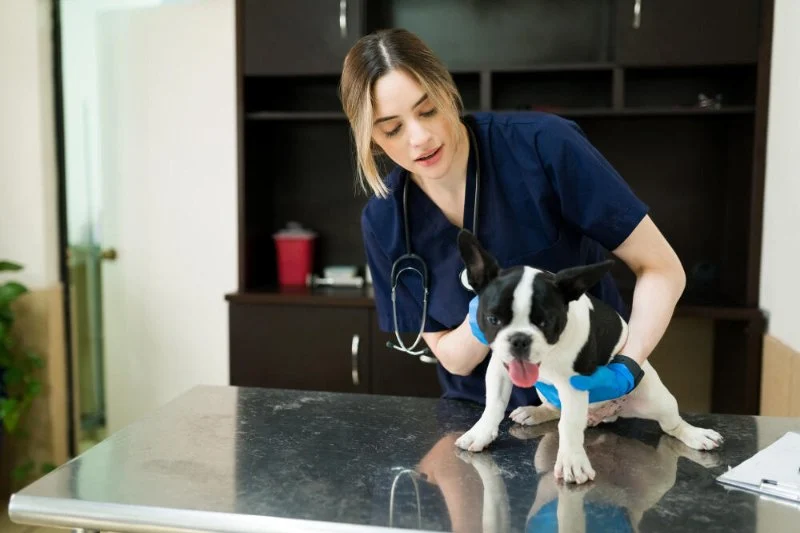
1 - Understanding Emergency Signs in Dogs
1.1 Common Indicators of Danger
Every dog owner should be familiar with early warning signs that indicate a medical emergency. These include sudden lethargy, difficulty breathing, persistent vomiting, and severe bleeding. Recognizing these signals promptly can save your dog's life.
1.2 Why Immediate Action Matters
Delayed response to critical symptoms can exacerbate the condition, making treatment more complex and recovery slower. Immediate veterinary care ensures that interventions are timely, increasing the likelihood of a positive outcome.
2 - Critical Physical Symptoms to Watch
2.1 Difficulty Breathing
If your dog is gasping, wheezing, or showing abnormal breathing patterns, this could indicate a severe respiratory issue or cardiac problem. Such cases require urgent assessment at a veterinary clinic.
2.2 Persistent Vomiting or Diarrhea
Ongoing vomiting or diarrhea, especially when accompanied by lethargy or dehydration, is a clear warning. Immediate intervention is necessary to prevent complications such as electrolyte imbalance or organ damage.
2.3 Uncontrolled Bleeding or Wounds
Open wounds or severe bleeding that cannot be controlled with basic first aid must be treated immediately by a professional to prevent infection or life-threatening blood loss.
3 - Behavioral Warning Signs
3.1 Sudden Aggression or Withdrawal
A normally friendly dog that suddenly becomes aggressive or withdrawn may be experiencing pain or neurological distress. Observing changes in behavior is critical for early detection of serious conditions.
3.2 Disorientation or Collapsing
If your dog appears disoriented, staggers, or collapses, this could indicate poisoning, heatstroke, or severe neurological issues. Immediate veterinary evaluation is essential to prevent irreversible damage.
4 - Special Considerations for Puppies and Senior Dogs
4.1 Puppies
Young dogs are more susceptible to infections, congenital conditions, and dehydration. Any unusual symptoms such as vomiting, diarrhea, or lethargy in puppies should prompt a veterinary visit immediately.
4.2 Senior Dogs
Older dogs often face chronic conditions such as arthritis, kidney disease, or heart problems. Sudden changes in appetite, mobility, or breathing in senior dogs require urgent attention to manage potentially life-threatening complications.
5 - Diet and Toxin-Related Emergencies
5.1 Toxic Foods
Consumption of chocolate, grapes, onions, or other toxic foods can rapidly escalate into critical conditions. Recognizing ingestion quickly and seeking immediate veterinary care is vital for survival.
5.2 Chemical Exposure
Household chemicals, medications, and pesticides pose a severe risk. Symptoms like drooling, vomiting, or seizures require fast intervention to mitigate poisoning effects.
6 - Case Studies and Real-Life Examples
Consider the story of Max, a Labrador who suddenly began vomiting in the early morning. His owner recognized the urgency, used Pet & Puppy to locate an emergency vet, and within hours Max received life-saving care. Such experiences highlight the importance of recognizing warning signs early.
Another example involves Bella, a senior German Shepherd who developed labored breathing after ingesting a small amount of chocolate. Rapid response and immediate veterinary care prevented serious cardiac complications, reinforcing the need for quick action.
7 - How to Act in a Veterinary Emergency
7.1 Immediate Assessment
Evaluate the dog's vital signs: breathing, pulse, responsiveness, and visible injuries. Keeping calm and observing carefully helps in providing accurate information to the veterinarian.
7.2 Transport Safely
Use a secure carrier or leash to transport the dog safely to the veterinary clinic. Avoid unnecessary handling that could exacerbate injuries or stress.
7.3 Communicate Clearly
Provide the veterinary team with detailed information about symptoms, recent activities, diet, and possible toxin exposure. This ensures faster diagnosis and treatment.
8 - Prevention and Preparedness Tips
8.1 Regular Vet Check-Ups
Routine health checks allow early detection of chronic conditions and help prevent emergencies. Vaccinations and preventive care reduce the risk of sudden illness.
8.2 Emergency Contacts
Keep a list of local 24-hour veterinarians and emergency clinics accessible at home. Platforms like Pet & Puppy provide reliable resources to locate the nearest veterinary help fast.
8.3 First Aid Knowledge
Basic knowledge of canine first aid, including CPR, wound management, and how to handle poison exposure, can make a significant difference while waiting for professional care.
9 - Final Recommendations
Recognizing the signs your dog needs immediate veterinary care is essential for every pet owner. Stay alert to changes in behavior, physical symptoms, and dietary risks. Use trusted resources like Pet & Puppy to find emergency services quickly. Preparedness and swift action ensure your dog's safety and health in critical situations.






 Zoetis Reference Labs Louisville4.0 (20 reviews)
 Ingalls Pet Wellness Clinic4.0 (82 reviews)
 Animal Doctors4.0 (168 reviews)
 Southland Veterinary Hospital4.0 (55 reviews)
 East Side Animal Hospital4.0 (215 reviews)
 CVCA Cardiac Care For Pets5.0 (235 reviews)
 Best Flea Treatments Safe for Puppies — Expert Recommendations 2026
 How to Help Dogs With Separation Stress at Home
 Best Dog Harnesses for Everyday Activities
 How to Train Dogs to Be Calm at Home Alone
 How to Choose the Best Rental Car for a Ski Resort Vacation in the U.S.
 Crate Training 101: Simple Steps for Stress-Free Success