
- -Understanding-Dog-Coat-Types
- -Choosing-the-Right-Brush
- -Top-Brush-Types-and-Uses
- -Real-Life-Grooming-Experiences
- -Tips-for-Better-Grooming-Routine
1. Understanding Different Dog Coat Types
Before choosing from the Best Dog Grooming Brushes for Every Coat Type, it’s important to understand your dog’s coat. Not all brushes work the same, and using the wrong one can lead to discomfort or even skin irritation.
1.1 Short and Smooth Coats
Dogs like Beagles or Boxers have short, flat coats that shed regularly but don’t tangle easily. These coats benefit from brushes that remove loose hair without being too harsh on the skin.
1.2 Long and Silky Coats
Breeds such as Golden Retrievers or Afghan Hounds require more attention. Their coats can easily develop tangles and mats, especially if grooming is inconsistent.
1.3 Curly and Double Coats
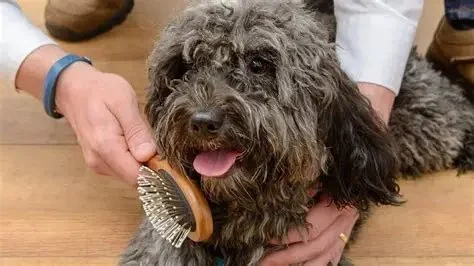
Poodles and Huskies represent two very different grooming challenges. Curly coats trap debris and require detangling, while double coats need regular deshedding to prevent excessive fur buildup around your home.
2. How to Choose the Right Brush for Your Dog
Selecting from the Best Dog Grooming Brushes for Every Coat Type involves more than picking what looks good online. You need to consider your dog’s comfort, coat condition, and grooming frequency.
2.1 Matching Brush to Coat Needs
A slicker brush works well for detangling long hair, while a bristle brush is better suited for short coats. Deshedding tools are essential for dogs with thick undercoats, especially during seasonal shedding.
2.2 Considering Your Dog’s Sensitivity
Some dogs have sensitive skin and may react poorly to metal bristles. In such cases, softer brushes or rubber grooming tools are a better option.
2.3 Grooming Frequency Matters
If you groom your dog daily, a gentle brush is ideal. For less frequent grooming, you may need a more robust tool to handle tangles and shedding effectively.
3. Essential Brush Types and Their Benefits
To fully understand the Best Dog Grooming Brushes for Every Coat Type, it helps to break down the most commonly used tools and how they function in real-life grooming routines.
3.1 Slicker Brushes for Detangling
Slicker brushes are designed with fine, short wires that can penetrate deep into the coat. They are excellent for removing mats and tangles, especially in long-haired or curly breeds.
3.2 Bristle Brushes for Shine and Maintenance
Bristle brushes distribute natural oils across the coat, giving it a healthy shine. They are perfect for short-haired dogs and for finishing touches after a more thorough grooming session.
3.3 Deshedding Tools for Heavy Shedders
For breeds that shed heavily, deshedding tools can significantly reduce loose hair. These tools reach the undercoat and remove excess fur without damaging the top layer.
4. Real Grooming Stories from Pet Owners
Many pet owners discover the importance of the Best Dog Grooming Brushes for Every Coat Type through trial and error. These real-life experiences highlight just how much the right tool can make a difference.
4.1 From Frustration to Routine
One dog owner shared how their long-haired Collie constantly developed mats despite regular grooming. After switching to a high-quality slicker brush, grooming time was cut in half, and the dog became noticeably more relaxed during sessions.
4.2 Viral Grooming Transformations
Social media has recently showcased dramatic grooming transformations, where neglected coats are restored to a healthy state. In many of these cases, professionals emphasize the importance of using the correct brush for each coat type, reinforcing how critical tool selection is.
5. Building a Better Grooming Routine at Home
Choosing the right brush is just one part of maintaining your dog’s coat. A consistent routine ensures long-term health and comfort for your pet.
5.1 Start with Short Sessions
If your dog is not used to grooming, begin with short sessions and gradually increase the time. This helps build trust and reduces anxiety.
5.2 Combine Brushing with Positive Reinforcement
Reward your dog with treats or praise during grooming. This creates a positive association and makes future sessions easier.
5.3 Explore Trusted Resources for Tools
Finding the right grooming tools can feel overwhelming, especially with so many options available. Platforms like Pet & Puppy offer curated recommendations to help you choose the most suitable brushes and grooming essentials based on your dog’s specific needs.
With the right approach, grooming becomes more than just maintenance—it turns into a bonding experience that keeps your dog looking and feeling their best.



 Wolfe Equine Services, PLLC4.0 (60 reviews)
 Hollywood Feed4.0 (163 reviews)
 Florence Catherine DVM3.0 (7 reviews)
 All About Restful Pets5.0 (441 reviews)
 Quail Crossing Animal Hospital4.0 (272 reviews)
 Greencastle Veterinary Clinic4.0 (246 reviews)
 How to Turn a Pet Health Obsessed Owner Into an Informed Owner
 Pet Vaccination Schedule: Essential Shots Your Pet Needs to Stay Healthy
 Why Do Dogs Sniff the Ground So Much?
 Pet Social Media: Should You Let Your Pet Be an “Influencer”? | Pet & Puppy
 Best Dog Harnesses for Comfortable Fit: A Guide to Finding the Perfect One
 How to Train Dogs to Be Calm Around Bikes and Scooters