
- Why-Do-Dogs-Head-Press-Against-Walls-Behavior
- Medical-Causes-of-Head-Pressing-in-Dogs
- Behavior-or-Serious-Warning-Signs
- When-to-See-a-Veterinarian
- Real-Life-Head-Pressing-Dog-Story
- Getting-Help-from-Pet-and-Puppy
Why Do Dogs Head Press Against Walls Behavior
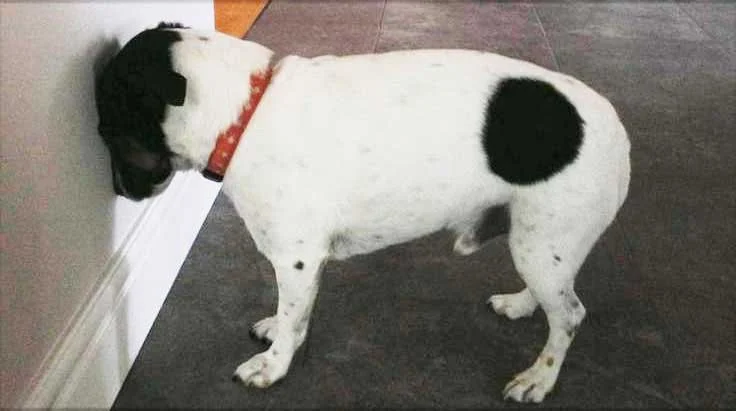
Many pet owners become concerned when they notice unusual behavior in their dogs, especially when it involves repetitive or unexplained actions. One behavior that often raises alarm is when dogs head press against walls, furniture, or corners. If you've ever wondered, "Why do dogs head press against walls?", the answer can range from harmless curiosity to a serious medical concern.
Head pressing is different from normal behaviors like resting the head on a couch or leaning against a person. True head pressing involves a dog deliberately pushing its forehead against a hard surface for extended periods. Dogs may stand still while doing this or appear disoriented. In many cases, this behavior signals that something is wrong physically or neurologically.
Pet owners sometimes first notice the behavior late at night or during quiet moments when the dog seems withdrawn. Because the action can look subtle at first, it is often mistaken for tiredness or boredom. However, recognizing the difference early can be critical for your dog’s health.

Medical Causes of Head Pressing in Dogs
Understanding the medical reasons behind why dogs head press against walls is important because many underlying causes require prompt veterinary care. Head pressing is frequently associated with neurological issues affecting the brain or nervous system.

1. Neurological Disorders
Brain-related conditions are among the most common causes of head pressing. These may include inflammation of brain tissue, infections, or tumors that create pressure inside the skull. When this happens, dogs may instinctively press their heads against surfaces as they experience discomfort or confusion.
Neurological conditions may also cause additional symptoms such as pacing, circling, poor coordination, or unusual changes in personality. If head pressing appears alongside these symptoms, it often signals the need for urgent medical evaluation.
2. Toxic Exposure
Exposure to certain toxins can also lead to head pressing behavior. Household chemicals, spoiled food, or toxic plants can affect a dog's nervous system. Some dogs may become disoriented before showing more obvious signs of illness.
Even medications that are safe for humans can be dangerous for pets. Early symptoms of toxicity sometimes include confusion and unusual behaviors such as pressing the head against walls or floors.
3. Liver or Metabolic Problems
In some cases, liver disease or metabolic disorders can cause toxins to build up in a dog's bloodstream. These toxins may affect brain function, leading to disorientation and unusual behaviors.
Dogs with metabolic issues may also show decreased appetite, vomiting, fatigue, or weight loss along with head pressing.
Behavior or Serious Warning Signs
Not every instance where a dog touches its head to a surface is dangerous. Some dogs simply lean against objects for comfort or relaxation. Distinguishing between harmless behavior and true head pressing is essential.
1. Normal Behaviors
Dogs often rest their heads on furniture, their owner's lap, or soft surfaces. This type of contact is relaxed and brief. The dog remains alert and responsive, and there are no other unusual symptoms.
Some dogs also enjoy gentle pressure, similar to how humans use weighted blankets for comfort. This behavior is typically consistent and not accompanied by signs of distress.
2. Concerning Symptoms
When dogs head press against walls repeatedly or for long periods, it becomes more concerning. Warning signs include staring into corners, walking aimlessly, or appearing confused in familiar environments.
Sudden behavior changes are particularly important signals. A normally active dog that becomes withdrawn or unresponsive may be experiencing discomfort or neurological problems.
When to See a Veterinarian
If you observe head pressing behavior, it is safest to consult a veterinarian as soon as possible. Early diagnosis often improves treatment outcomes, especially when neurological issues are involved.
1. Immediate Warning Signs
Seek urgent care if head pressing occurs along with seizures, loss of balance, vomiting, or extreme lethargy. These symptoms may indicate serious medical conditions requiring immediate attention.
Quick action can make a significant difference in recovery, particularly if toxins or infections are involved.
2. Preparing for the Vet Visit
Pet owners can help veterinarians by documenting when the behavior started and how often it occurs. Videos captured on a phone can be especially helpful for diagnosis.
Providing information about diet changes, possible toxin exposure, and recent illnesses can also help determine the underlying cause more quickly.
Real-Life Head Pressing Dog Story
A dog owner in Colorado noticed her eight-year-old Labrador standing quietly in the corner of the kitchen with his forehead pressed against the wall. At first, she assumed he was simply tired after a long walk. When the behavior repeated several times over two days, she decided to contact her veterinarian.
After examination and testing, the dog was diagnosed with a liver-related condition affecting neurological function. Treatment began immediately, and within weeks the dog returned to normal behavior. The owner later shared that recognizing the unusual behavior early likely prevented serious complications.
Stories like this highlight why understanding why dogs head press against walls can be so important for responsible pet care.
Getting Help from Pet and Puppy
Learning about unusual dog behaviors helps owners protect their pets and respond quickly when problems arise. Reliable information and trusted product recommendations can make caring for your dog easier and safer.
Pet & Puppy provides guidance on dog health concerns, behavior insights, and carefully selected products designed to support your pet’s well-being. Whether you are researching symptoms or looking for everyday pet supplies, Pet & Puppy offers helpful resources for responsible dog owners.
Paying close attention to your dog’s behavior is one of the best ways to keep them healthy. Small changes can reveal important clues, and early action can make all the difference in maintaining a happy and active life for your companion.





 Cor-Vet Veterinary Clinic Fortville0.0 (0 reviews)
 Desert Veterinary Medical Specialists4.0 (14 reviews)
 PetVet Vaccination Clinic0.0 (0 reviews)
 Grassman Reef LLC5.0 (10 reviews)
 Sheabel Veterinary Hospital4.0 (371 reviews)
 VetCheck Pet Urgent Care Center Bloomington3.0 (492 reviews)
 The Psychology Behind Pet Bonding: What Science Reveals
 How to Introduce a New Kitten or Puppy to Kids
 Best Canine Probiotics for a Healthy Gut
 Holiday Pet Diet Safety: Foods to Avoid & Safe Treats
 How to Make Vet Visits Less Stressful for Pets
 Understanding Pet Pancreatitis: Signs, Diet & Care