
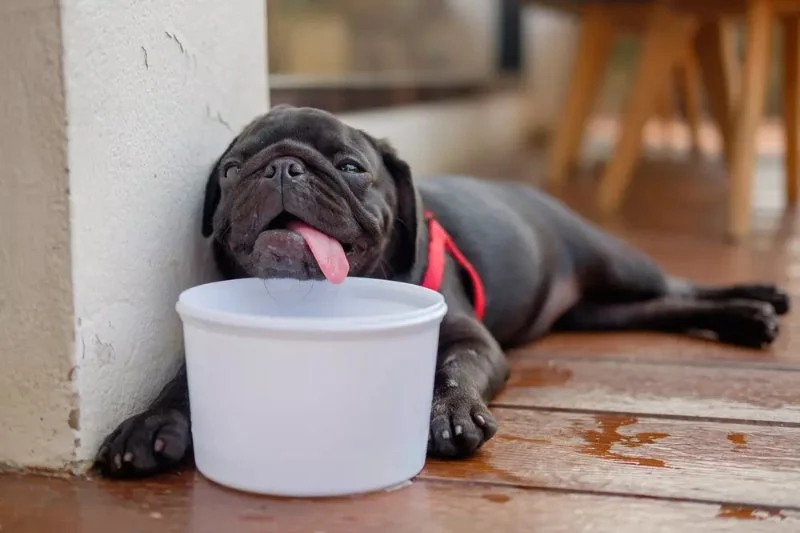
1. Understanding Dehydration in Pets
Dehydration in pets is a serious concern that can affect their overall health and well-being. Just like humans, pets need a constant supply of water to maintain normal body functions. Dehydration occurs when pets lose more water than they take in, which can lead to imbalances in their electrolytes and essential bodily functions.
Pets, especially dogs and cats, can become dehydrated due to a variety of reasons, from not drinking enough water to medical conditions like kidney disease or heatstroke. Recognizing dehydration early on is crucial, as it can quickly lead to more severe health problems if left untreated.

2. Signs of Dehydration in Pets
Dehydration in pets can be tricky to spot, as the symptoms often develop gradually. However, by being aware of the signs, you can catch it early and take action. Here are some common signs that your pet might be dehydrated:
- Dry gums and mouth: One of the first signs of dehydration is dry or sticky gums and mouth. If you notice this, it’s important to check your pet’s hydration status.
- Loss of skin elasticity: Gently pull up your pet's skin. If it doesn’t spring back quickly, it may indicate dehydration.
- Reduced energy levels: Dehydrated pets often become lethargic and less active, as their bodies lack the water necessary to fuel normal activity.
- Sunken eyes: Pets with dehydration may have sunken or dull eyes that lack their usual brightness and alertness.
- Decreased urination: Less frequent urination or dark-colored urine can be a sign that your pet is dehydrated and not properly flushing out waste.
If you notice any of these symptoms, it’s important to act quickly. Dehydration can be a sign of an underlying health issue, so a visit to the vet is recommended to rule out serious conditions.

Eckert Veterinary Hospital
VersaillesWoodford CountyKentucky
248 Shannon Run Rd, Versailles, KY 40383, USA
3. Common Causes of Dehydration in Pets
Dehydration in pets can result from several factors, and understanding the underlying cause is crucial to effective treatment. Here are some common causes of dehydration in pets:
- Insufficient water intake: Sometimes pets simply don’t drink enough water, especially if their water bowl is not easily accessible or they are picky drinkers.
- Hot weather or exercise: Pets that are outside in hot weather or exercising vigorously can lose water through sweat and increased panting, making them more susceptible to dehydration.
- Illness or infection: Certain health conditions like vomiting, diarrhea, or fever can cause significant fluid loss, leading to dehydration.
- Kidney disease: Chronic kidney disease, common in older pets, can result in dehydration as the kidneys become less effective at conserving water.
- Medications: Some medications, especially diuretics, can cause excessive urination, which may lead to dehydration if not properly managed.
By identifying the cause of dehydration, you can take steps to address the root problem, whether it’s ensuring your pet drinks more water or addressing a medical issue with your vet’s help.
4. Remedies for Dehydration in Pets
Once you recognize the signs and causes of dehydration in pets, it’s important to act quickly to rehydrate them. Here are some remedies to help rehydrate your pet:
- Provide fresh water: Make sure your pet has access to fresh, clean water at all times. If they’re reluctant to drink, try offering water in a different bowl or a pet water fountain, which some pets find more appealing.
- Electrolyte solutions: Special pet-safe electrolyte solutions, available at most pet stores or your vet’s office, can help restore lost minerals and hydration levels.
- Wet food: Switching to wet food can provide extra moisture to your pet’s diet, especially if they’re not drinking enough water on their own.
- Ice cubes or ice chips: Some pets may find it easier to drink water in the form of ice cubes or ice chips, which they can lick or chew on throughout the day.
- Visit to the vet: In cases of severe dehydration, a vet may need to administer fluids intravenously or subcutaneously to restore hydration levels.
It’s essential to monitor your pet’s hydration status regularly, particularly in hot weather or during illness. If your pet continues to show signs of dehydration despite your efforts, seek veterinary attention promptly.
5. Real-Life Stories: Pets Who Overcame Dehydration
Many pet owners have experienced the challenges of dehydration in their pets and successfully helped them recover. For example, a dog named Max, who was left outdoors in the heat for several hours, showed signs of dehydration, including dry gums and sunken eyes. After providing him with electrolyte solution and plenty of fresh water, Max made a full recovery, with his energy levels returning to normal after just a few hours.
Another example is a cat named Luna, who developed dehydration due to kidney disease. After a visit to the vet, Luna was placed on a special hydration plan, including subcutaneous fluid therapy. With consistent treatment and hydration support, Luna regained her health and was able to manage her condition with the help of her vet.
These real-life stories show how quick action and proper remedies can help pets recover from dehydration, ultimately improving their quality of life. If you suspect your pet is dehydrated, don’t wait—act swiftly and consult your vet if necessary to ensure your pet’s health and well-being.






 Royer Veterinary Services4.0 (1203 reviews)
 Brownsboro Animal Clinic4.0 (69 reviews)
 Zoetis Reference Lab Cincinnati5.0 (2 reviews)
 Phoenix Veterinary Referral & Emergency Center4.0 (423 reviews)
 Dog Mustache, LLC0.0 (0 reviews)
 PetVet Vaccination Clinic4.0 (1 reviews)
 How to Manage Multi-Pet Households: Feeding, Space & Harmony
 How to Detect & Manage Pet Ear Tumors: Signs, Treatment & Care
 How to Start a Pet Garden with Safe Plants
 The Psychology Behind Pet Bonding: What Science Reveals
 How to Keep Your Dog Comfortable with Hot Spots - Causes, Treatment & Care
 What Causes Pet Lethargy? Understanding Underlying Conditions to Check