
- 1-Understanding Anxiety in Pets
- 2-Why Fireworks and Loud Noises Trouble Pets
- 3-Practical Tips to Help Pets Cope with Fireworks
- 4-How to Create a Safe Space for Your Pet
- 5-When to Seek Professional Help for Your Pet
1. Understanding Anxiety in Pets
Pets, particularly dogs, can experience anxiety just like humans, especially in response to loud noises. Fireworks, thunderstorms, and even the sound of a vacuum cleaner can trigger anxiety in pets. Understanding the signs of anxiety in pets—such as excessive barking, drooling, pacing, hiding, or destructive behavior—is the first step in addressing it effectively.
For many pets, these situations can feel overwhelming, and without proper support, they may become stressed or fearful. Recognizing your pet's anxiety triggers and understanding how to manage them is essential for maintaining their well-being.

East Valley Equine Practitioners
14469 E Pecos Rd, Gilbert, AZ 85295, USA
2. Why Fireworks and Loud Noises Trouble Pets
Fireworks are one of the most common sources of anxiety for pets, particularly around holiday seasons such as the Fourth of July and New Year's Eve. The loud, sudden noises and bright flashing lights can be very distressing for pets, especially those who have sensitive hearing or have not been properly desensitized to such sounds.
The noise and unpredictability of fireworks can cause a range of reactions in pets, from mild nervousness to full-blown panic attacks. Pets often associate these noises with danger or distress, even though they are not directly harmful. The fear of fireworks and loud noises can last long after the event, with pets remaining anxious in similar situations in the future.
3. Practical Tips to Help Pets Cope with Fireworks
Fortunately, there are several strategies that can help reduce your pet’s anxiety during fireworks or other loud events. Here are some practical tips to keep your pets calm and comfortable:
3.1 Create a Calm Environment
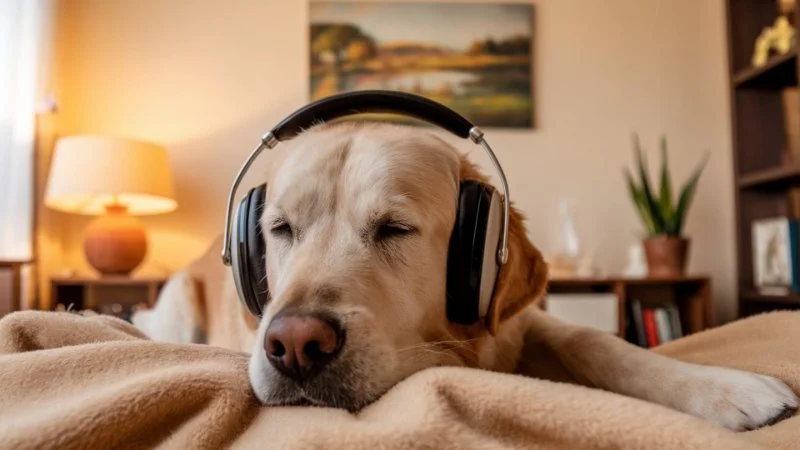
Reducing the noise and distraction in your home is one of the most effective ways to help your pet cope. Close windows and doors, pull down the blinds, and play calming music or white noise to mask the sound of fireworks. Create a quiet, safe environment where your pet can feel secure.
3.2 Use Anxiety-Relieving Products
There are a variety of products designed to help calm anxious pets. Anxiety wraps or calming vests apply gentle pressure to a pet’s body, similar to swaddling a baby, which can help alleviate stress. Pheromone diffusers, sprays, or calming collars may also help by releasing calming scents that reduce anxiety.
3.3 Provide Distractions
Distractions can help redirect your pet’s focus away from the stressful sounds. Offering them interactive toys, treats, or engaging them in a game can help divert their attention. If you have a dog, consider going for a walk before the fireworks begin to tire them out, making it easier for them to relax indoors.
3.4 Stay Calm Yourself
Pets can pick up on their owner's emotions. If you're anxious or stressed, your pet may become more unsettled. Stay calm, relaxed, and reassuring during fireworks. Keep your voice steady and comforting, and avoid making a big deal out of the noise, as your pet will take cues from your behavior.
4. How to Create a Safe Space for Your Pet
A safe space for your pet is crucial for helping them feel secure during loud events. Here’s how to create one:
4.1 Choose a Quiet Room
Select a room in your house that is farthest from the noise, such as an interior room with no windows. Make this space inviting with your pet's bed, blankets, toys, and familiar scents.
4.2 Add Comfort Items
Place your pet’s favorite items in the room, such as their bed, blanket, or a piece of your clothing. The familiar smells and textures can help create a sense of security.
4.3 Offer a Safe, Enclosed Area
For pets that feel more secure in a confined space, consider setting up a crate or small enclosure. This should feel like their own private retreat, where they can retreat to when they feel overwhelmed.
5. When to Seek Professional Help for Your Pet
If your pet’s anxiety is severe or persistent, professional help may be needed. Consult with a veterinarian or a pet behaviorist who can assess your pet's anxiety levels and recommend treatments such as behavioral therapy, medication, or additional strategies for anxiety management.
Veterinarians may prescribe anti-anxiety medications or suggest training programs specifically tailored to help pets overcome noise-related anxiety. These treatments can be especially helpful for pets who experience chronic anxiety, and a professional can guide you on the best course of action.
By understanding your pet's needs and employing the right techniques, you can help them cope with fireworks and loud noises. With patience, care, and the right approach, you can ensure your pet feels safe and calm during these stressful times. For additional pet care products and advice, visit Pet & Puppy for the best recommendations.



 Greater Cincinnati Veterinary Specialists and Emergency Services3.0 (747 reviews)
 Whitlyn Aquatics, LLC4.0 (193 reviews)
 Trace Collar0.0 (0 reviews)
 VIP Petcare Vaccination Clinic0.0 (0 reviews)
 Petco4.0 (485 reviews)
 Banfield Pet Hospital4.0 (144 reviews)
 How to Teach Cats to Use a Scratching Post
 How AI & Data Are Transforming Preventive Pet Health Care
 Long-Term Care for Pets with Chronic Disease: Essential Tips for Ongoing Health
 How to Pet-Proof Your Home: Safety Tips for Every Room
 Pet Insurance 101: What It Covers & When It Pays
 The Best Online Communities for Pet Health Advice (and Their Risks)