
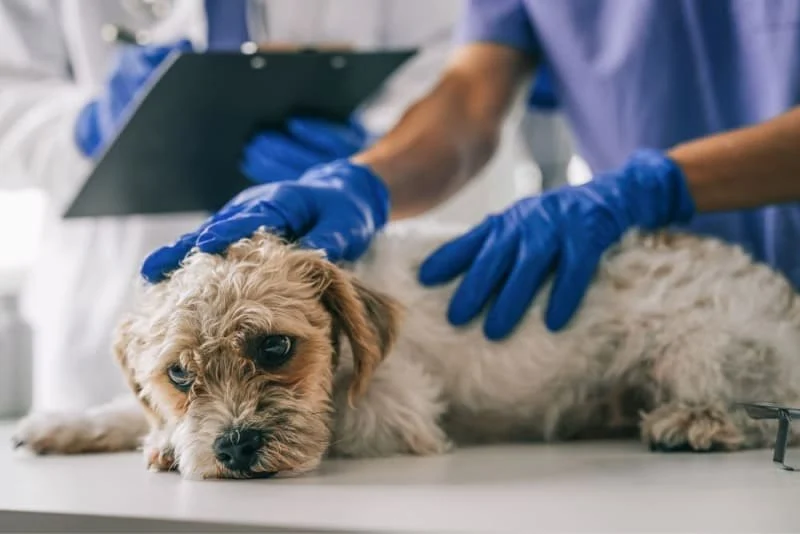
1. Understanding Gastrointestinal Upset in Pets
Gastrointestinal upset in pets is a common issue that many pet owners face. It can be caused by a variety of factors such as dietary changes, infections, or stress. The most common symptoms of gastrointestinal distress in pets are diarrhea, vomiting, and loss of appetite. These symptoms can vary in severity, and knowing how to address them is essential to your pet’s health and comfort.

1.1. Causes of Gastrointestinal Upset
There are several potential causes for gastrointestinal upset in pets, including:
- Dietary indiscretions (eating something they shouldn’t have)
- Food allergies or sensitivities
- Infections (bacterial, viral, or parasitic)
- Stress and anxiety
- Changes in diet or sudden food transitions
- Underlying health conditions (such as pancreatitis)
Understanding the root cause of your pet’s symptoms can help guide the treatment process and prevent future incidents.

2. Managing Diarrhea and Vomiting in Pets
If your pet is experiencing diarrhea or vomiting, it’s important to take action promptly. Here are some steps you can take to help manage the situation:
2.1. Fasting Your Pet
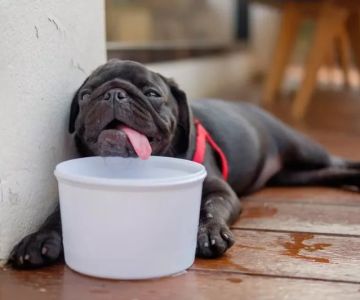
One of the first steps in managing gastrointestinal upset is to fast your pet for 12-24 hours. This gives their digestive system a chance to rest and recover. However, ensure that your pet still has access to fresh water to stay hydrated. Prolonged vomiting or diarrhea can lead to dehydration, which can be dangerous.
2.2. Reintroducing Food Slowly
After the fasting period, it’s important to reintroduce food slowly. Start by offering small amounts of bland food such as boiled chicken (no skin or bones) and plain white rice. Gradually increase the quantity over the next 24-48 hours. Avoid feeding them rich, fatty, or spicy foods during this recovery period.
2.3. Monitor for Signs of Dehydration
Diarrhea and vomiting can lead to dehydration, especially in pets that are already vulnerable. Keep an eye out for signs of dehydration, such as dry gums, lethargy, or sunken eyes. If you notice these symptoms, seek veterinary care immediately.
2.4. When to Consult a Veterinarian
If your pet’s symptoms persist for more than 24-48 hours, worsen, or are accompanied by other symptoms like fever, blood in vomit or stool, or severe lethargy, it’s important to contact a veterinarian. They can perform diagnostic tests to determine the underlying cause and provide appropriate treatment.
3. What to Feed Pets with Gastrointestinal Upset
When your pet is recovering from gastrointestinal upset, feeding them the right foods is crucial for their recovery. Here’s what you should consider:
3.1. Bland Diet for Recovery
A bland diet is often recommended for pets with gastrointestinal upset. This type of diet is easy on the stomach and helps to soothe inflammation. Common bland foods include:
- Boiled chicken (without skin or bones)
- Plain white rice
- Boiled sweet potatoes
- Boiled pumpkin (not canned pumpkin with additives)
These foods provide essential nutrients without causing additional strain on your pet’s digestive system. Gradually reintroduce their regular food once they have fully recovered.
3.2. Probiotics for Digestive Health
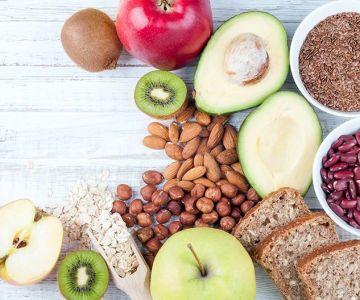
Probiotics can help to restore the balance of healthy bacteria in your pet’s digestive system. You can add probiotic supplements to their food or choose foods that are specifically designed to support gut health. Consult your veterinarian for the right probiotic options for your pet.
3.3. Avoid Certain Foods
Some foods should be avoided when your pet is recovering from gastrointestinal upset. These include:
- Fatty or greasy foods
- Dairy products
- Spicy foods
- Raw foods or undercooked meats
These foods can irritate the digestive system and worsen symptoms. Stick to bland, easily digestible foods during the recovery period.
4. Preventing Future Gastrointestinal Issues
While some gastrointestinal upsets are inevitable, there are steps you can take to minimize the risk of future episodes:
4.1. Gradual Diet Changes
When transitioning your pet to a new food, do so gradually over the course of 7-10 days. Sudden changes in diet can upset their stomach and lead to diarrhea or vomiting. Mixing the new food with the old food helps their digestive system adjust.
4.2. Avoid Feeding Table Scraps
Feeding your pet table scraps can lead to gastrointestinal upset, especially if they consume foods that are too rich or fatty for their digestive system. Stick to pet-safe food and treats designed for their nutritional needs.
4.3. Regular Vet Checkups
Regular veterinary checkups are essential for detecting underlying health issues that could contribute to gastrointestinal upset. Your veterinarian can help ensure that your pet’s digestive system remains healthy and provide recommendations for keeping their stomach happy.
5. Why Choose Pet & Puppy?
At Pet & Puppy, we offer a wide range of high-quality pet foods, probiotics, and digestive supplements to help support your pet’s health. Whether your pet is recovering from gastrointestinal upset or you want to maintain their digestive health, our carefully selected products can make a difference. We also provide expert advice to help you make the best choices for your pet’s unique needs.
5.1. Quality Pet Products
We offer premium pet food brands, digestive health supplements, and other products that can support your pet’s digestive system and overall well-being.
5.2. Expert Support
Our team of pet care experts is available to provide personalized guidance on the best diet and care strategies for your pet’s digestive health. We understand that every pet is different, and we’re here to help you make informed decisions.
6. Real-Life Case Study: A Pet's Recovery Journey
One of our customers, Sarah, experienced a scary moment when her dog, Max, suddenly began vomiting and having diarrhea. After consulting with her vet and following our advice on a bland diet and probiotics, Max made a full recovery. Sarah chose products from Pet & Puppy to support Max's digestive health, and she continues to use our products to maintain his wellness. Sarah’s experience shows how important it is to act quickly and provide the right nutrition when your pet is unwell.
Managing gastrointestinal upset in pets can be challenging, but with the right knowledge and tools, you can help your pet recover and maintain a healthy digestive system. Don't hesitate to reach out to Pet & Puppy for trusted products and advice that will support your pet's well-being.




 Russell County Animal Clinic4.0 (80 reviews)
 Hopi Animal Hospital ~ A privately owned, family practice!4.0 (199 reviews)
 Chewy Pharmacy4.0 (82 reviews)
 Animal Hospital at Grayhawk4.0 (246 reviews)
 VCA Animal Hospitals Urgent Care - Chandler4.0 (59 reviews)
 Crown UrgentVet4.0 (866 reviews)
 How Seasonal Shedding Affects Pet Health and What to Do
 Why Some Pets Reject New Food & How to Smooth the Transition
 The Tough Truths About Pet Ownership | Pet & Puppy
 What Causes Pet Lethargy? Understanding Underlying Conditions to Check
 Veterinary Dentistry: What You Didn’t Know but Should
 How to Recognize Lice or Mites in Pets: A Guide for Pet Owners