
- 1. Introduction to Housebreaking Your Puppy
- 2. Understanding Your Puppy’s Potty Needs
- 3. Proven Housebreaking Strategies
- 4. Common Housebreaking Mistakes to Avoid
- 5. Maintaining Good Habits After Housebreaking
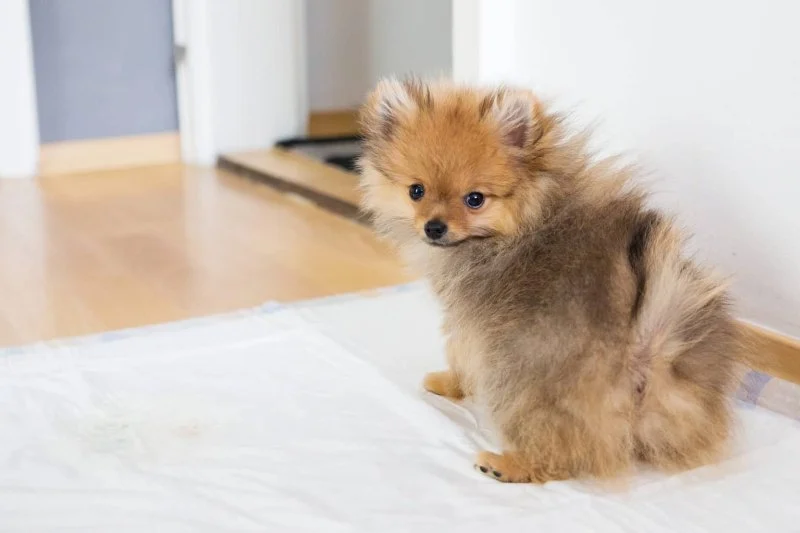
1. Introduction to Housebreaking Your Puppy
Housebreaking your puppy is one of the most important parts of pet ownership. While it can seem like a daunting task, with the right strategy, patience, and consistency, it’s entirely possible to successfully train your puppy to use the bathroom outside. In this article, we’ll explore the most effective methods for housebreaking, common pitfalls to avoid, and tips for long-term success.

West Valley Equine Veterinary Services, LLC
Citrus ParkMaricopa CountyArizona
7820 N 175th Ave, Waddell, AZ 85355, USA
2. Understanding Your Puppy’s Potty Needs
Before you start the housebreaking process, it’s essential to understand your puppy’s natural potty habits. Puppies typically need to go outside after eating, drinking, and waking up, as well as after playtime. They also need to relieve themselves every 3-4 hours during the day.
By observing your puppy’s behavior, you can get a better sense of when they need to go. Some signs include sniffing the ground, circling, or whining. Understanding these signals will help you anticipate their needs and prevent accidents inside the house.

3. Proven Housebreaking Strategies
There are several proven strategies to housebreak your puppy effectively:
- Crate Training: Crate training is one of the most effective methods for housebreaking. Puppies naturally avoid soiling their sleeping area, so by keeping your puppy in a crate when you’re not home or during the night, you can prevent accidents. Be sure to let them outside immediately after you open the crate.
- Frequent Potty Breaks: Take your puppy outside frequently—at least once every 2-3 hours, as well as after meals, naps, and playtime. Consistency is key in housebreaking.
- Positive Reinforcement: Always reward your puppy with praise or treats immediately after they do their business outside. Positive reinforcement helps them understand that they’re doing the right thing.
- Set a Routine: Establish a consistent daily schedule for your puppy, including regular feeding times, walks, and potty breaks. This helps regulate their bathroom habits and makes housebreaking more predictable.
4. Common Housebreaking Mistakes to Avoid
While housebreaking your puppy, there are common mistakes that many pet owners make. Avoid these to ensure the process goes smoothly:
- Inconsistent Potty Breaks: If you don’t take your puppy outside at regular intervals, it can confuse them and make housebreaking more difficult. Stick to a schedule to reinforce good habits.
- Punishing Accidents: Never punish your puppy for accidents. Puppies don’t associate punishment with their actions, and this can lead to fear or confusion. Instead, calmly clean up the mess and continue with the training.
- Not Supervising Enough: Puppies need supervision when they’re inside the house to prevent accidents. If you can’t watch them closely, use a crate or pen to limit their access to the entire house.
5. Maintaining Good Habits After Housebreaking
Once your puppy is successfully housebroken, it’s important to maintain good habits to prevent regression. Here are some tips for ensuring long-term success:
- Continue with a Routine: Even after housebreaking, continue to maintain a consistent schedule for meals, walks, and potty breaks.
- Reinforce Good Behavior: Continue to reward your puppy for going outside, and remain consistent with your training methods.
- Watch for Signs of Relapse: If your puppy starts having accidents inside, review your schedule and make adjustments as needed. It’s important to catch any issues early before they become a problem.
With time, patience, and consistency, your puppy will be fully housebroken and you’ll both enjoy a clean, happy home.
If you’re looking for additional puppy care resources or need help finding the right products to assist with your puppy’s housebreaking, visit Pet & Puppy for expert recommendations and high-quality pet products.





 Blue Paw Primary Pet Care4.0 (5 reviews)
 Northside Hope Veterinary Clinic4.0 (174 reviews)
 Vine Grove Veterinary Hospital4.0 (372 reviews)
 Heltsley J R Dvm4.0 (49 reviews)
 Scales 'N Tails Phoenix West4.0 (147 reviews)
 Orangewood Animal Hospital - Now Palo Verde Animal Hospital4.0 (97 reviews)
 Drones & Robotics in Pet Care: What’s Possible Now
 How to Find the Right Specialist Vet (Cardio, Ortho, Neuro)
 Transitioning Training Methods as Pet Ages: Adapting Techniques for Senior Pets
 How to Detect & Manage Pet Ear Tumors: Signs, Treatment & Care
 How to Choose the Right Dog Food: Key Ingredients and Tips
 How to Manage Multi-Pet Households: Tips for Feeding, Space, and Harmony