
Pet Scents & Aromatherapy: What’s Safe and What’s Not
- 1. Understanding Aromatherapy for Pets
- 2. The Benefits of Aromatherapy for Pets
- 3. Risks of Aromatherapy and Pet Scents
- 4. Safe Aromatherapy Options for Pets
- 5. How to Use Aromatherapy Safely for Pets
1. Understanding Aromatherapy for Pets
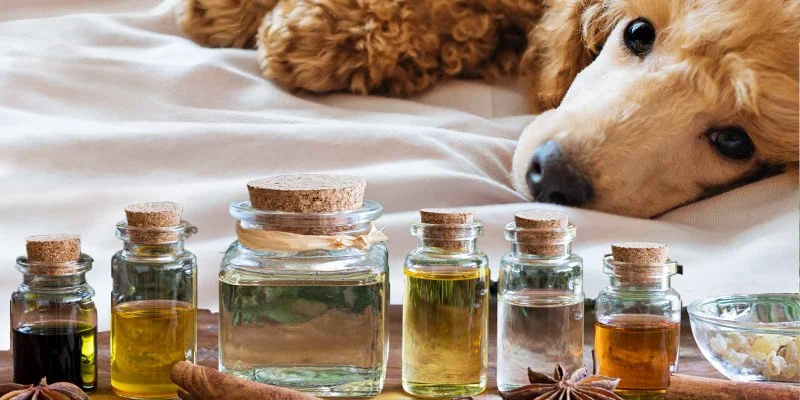
Aromatherapy for pets involves using essential oils and scents to enhance their well-being. Just like with humans, pets can benefit from the soothing effects of certain fragrances and oils. However, not all scents are suitable or safe for pets, as they have different sensitivities compared to humans. It’s important for pet owners to be aware of which products are safe to use and which should be avoided.
Aromatherapy typically uses essential oils derived from plants, which are believed to have various therapeutic properties. Some oils can help relieve anxiety, improve sleep, or even reduce inflammation in pets. However, because pets are more sensitive to these oils, it’s crucial to choose pet-friendly options and use them appropriately.

Princeton Veterinary Hospital
725 E Broadway St, Princeton, IN 47670, USA
2. The Benefits of Aromatherapy for Pets
When used correctly, aromatherapy can provide a variety of benefits for pets, both physically and emotionally. Here are some of the most common benefits:

1. Reducing Anxiety and Stress
Many pets, particularly dogs, experience anxiety or stress in situations like thunderstorms, travel, or separation from their owners. Aromatherapy can help calm pets by using oils like lavender or chamomile, which are known for their relaxing properties. These scents can be diffused in a pet’s environment or applied topically in a diluted form to promote calmness.
2. Improving Sleep Quality
Pets who have trouble sleeping due to anxiety, pain, or other issues may benefit from the calming effects of aromatherapy. Essential oils such as lavender and sandalwood can help create a peaceful environment conducive to rest. A few drops of these oils, when used properly, can encourage a good night’s sleep for your pet.
3. Relieving Pain and Inflammation
Some essential oils, like peppermint and ginger, are believed to have anti-inflammatory properties that can help soothe sore muscles and joints in pets. These oils can be used to relieve discomfort, especially in older pets or those with conditions like arthritis. Always consult a veterinarian before using oils for pain relief, as improper use can lead to adverse reactions.
3. Risks of Aromatherapy and Pet Scents
While aromatherapy can offer numerous benefits, it’s important to note that not all scents and essential oils are safe for pets. Some oils can be toxic, cause allergic reactions, or lead to other health issues. Here are some potential risks associated with aromatherapy for pets:
1. Toxicity of Certain Essential Oils
Many essential oils that are safe for humans can be harmful to pets. For example, oils like tea tree, eucalyptus, and cinnamon can be toxic to dogs and cats when ingested or absorbed through the skin. These oils can cause symptoms like vomiting, drooling, and even liver or kidney damage in severe cases. Always research the safety of any oil before using it around your pet.
2. Respiratory Issues
Pets, particularly cats, are more sensitive to inhaling certain essential oils. Diffusing oils in an enclosed space can irritate their respiratory system, leading to coughing, sneezing, or difficulty breathing. It’s essential to ensure that the room is well-ventilated if you are using essential oils around your pet.
3. Allergic Reactions
Some pets may develop allergic reactions to specific essential oils. Symptoms of an allergic reaction may include skin irritation, swelling, or gastrointestinal distress. It’s important to observe your pet closely the first time you use a new product and discontinue use if you notice any adverse effects.
4. Safe Aromatherapy Options for Pets
When used with care, aromatherapy can be a safe and effective way to improve your pet’s well-being. Here are some safe options that you can consider for your pet:
1. Lavender
Lavender is one of the most commonly used essential oils for pets due to its calming and relaxing effects. It can help reduce anxiety and promote better sleep. Use it sparingly, either through diffusion or in a diluted form for topical application.
2. Chamomile
Chamomile is known for its soothing properties and is often used to help with stress and digestive issues. It’s safe for most pets and can be used in diffusers or applied topically in small amounts when properly diluted.
3. Frankincense
Frankincense has anti-inflammatory properties and is safe for most pets when used properly. It’s often used to promote relaxation and relieve stress. As with all essential oils, it should be used with caution and in moderation.
5. How to Use Aromatherapy Safely for Pets
To ensure the safety and effectiveness of aromatherapy for pets, it’s important to follow certain guidelines:
1. Always Dilute Essential Oils
Essential oils should never be used undiluted on your pet’s skin. Always dilute oils with a carrier oil, such as coconut or olive oil, to reduce the risk of irritation or toxicity. A general guideline is to use one drop of essential oil for every 1-2 teaspoons of carrier oil.
2. Use a Diffuser with Caution
When diffusing oils, ensure that the room is well-ventilated and that your pet has the option to leave the area if they find the scent overwhelming. Limit diffusion sessions to 15-30 minutes, and never leave a diffuser running unattended.
3. Consult Your Veterinarian
Before introducing any new aromatherapy product or essential oil to your pet, it’s always a good idea to consult with a veterinarian. They can provide advice on safe usage and recommend products that are suitable for your pet’s health needs.
For more information on safe aromatherapy practices and the best products for your pet, visit Pet & Puppy for expert recommendations and to explore our collection of pet-safe wellness products.






 VIP Petcare Vaccination Clinic0.0 (0 reviews)
 Spay Neuter Clinic: Mesa4.0 (928 reviews)
 AniCell Biotech, LLC0.0 (0 reviews)
 Zoetis Reference Labs Louisville4.0 (20 reviews)
 Ingleside Animal Hospital4.0 (671 reviews)
 Banfield Pet Hospital3.0 (115 reviews)
 Pet Eye Health: Conjunctivitis, Cataracts & Preventative Care
 Dealing with Separation Anxiety in Dogs & Cats – Effective Solutions
 The Mental Health of Pets: Signs They Need Emotional Support
 Safe Plants & Landscaping for Homes with Pets: Creating a Pet-Friendly Yard
 Canine Cognitive Dysfunction: How to Recognize & Manage Pet Dementia in Dogs
 How Pet Recovery Rooms Are Being Designed in Modern Clinics