
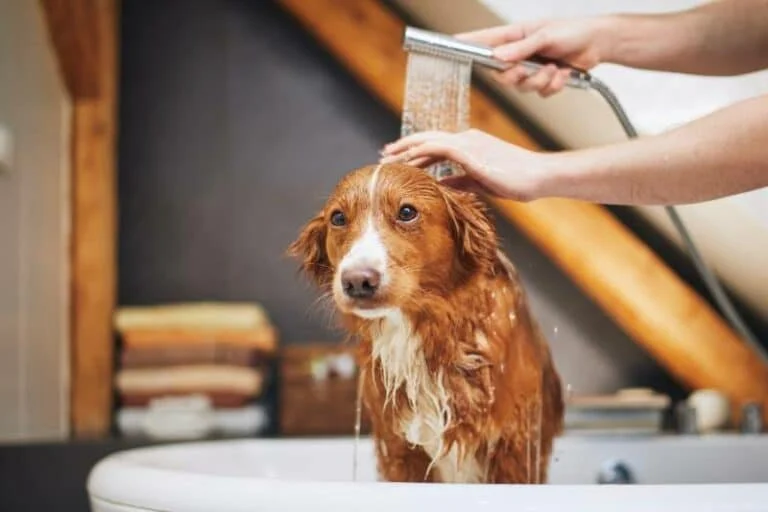
How to Bathe a Dog That Hates Water
Bathing a dog that hates water can be a real challenge for any pet owner. While most dogs enjoy a good soak, some have a deep-rooted fear of water that makes bath time stressful for both the pet and the owner. If you're dealing with a dog who resists getting wet, fear not—there are several techniques you can try to make the process smoother and more enjoyable for your furry friend. In this guide, we'll explore practical tips, tricks, and expert advice to help you successfully bathe a dog that hates water.
- Understanding Why Some Dogs Hate Water
- Preparing for Bath Time: Tips and Tricks
- Bath Techniques for Fearful Dogs
- After the Bath: Care Tips for Your Dog
Understanding Why Some Dogs Hate Water
Before you start the bath process, it's essential to understand why your dog might hate water. While some dogs are naturally water-averse, others may have had negative experiences during baths or water-related activities in the past. Fear, past trauma, and unfamiliarity with the sensation of water are common reasons dogs may resist bathing. Understanding the root cause of your dog’s aversion will help you tailor your approach and ensure the experience is as comfortable as possible for them.
Common Reasons for Dogs' Fear of Water
- Previous Negative Experiences: If your dog has been forced into the water or had a bad bath experience, they may associate water with fear.
- Sensitivity to Noise: The sound of running water or the splash of water can be overwhelming for some dogs.
- Lack of Exposure: Dogs who haven't been exposed to water from a young age might find it intimidating.
- Breed-Related Traits: Certain dog breeds, such as Chihuahuas or Bulldogs, are less inclined to enjoy water due to their temperament or physical characteristics.
Preparing for Bath Time: Tips and Tricks
Preparation is key when it comes to bathing a dog that hates water. By following these steps, you can set the stage for a more positive and less stressful experience:
Setting Up the Bath Area
- Choose a Calm Location: Pick a quiet place for bath time where your dog feels safe. Avoid noisy areas with distractions.
- Use Lukewarm Water: Hot or cold water can make your dog uncomfortable, so make sure the water is just warm enough for comfort.
- Prepare the Right Tools: Gather a gentle dog shampoo, a cup or showerhead, and towels. Avoid harsh or overpowering products that could cause discomfort.
Use Positive Reinforcement
Before even starting the bath, reward your dog with treats and praise for entering the bathroom. Gradually desensitize your dog to the bath area by letting them explore it first without any water involved. This can help reduce their anxiety.
Bath Techniques for Fearful Dogs
Now that you’ve prepared both your dog and the bathing area, it's time to begin the bath. These techniques will help make the process less stressful for your dog:
Introduce Water Slowly
Start by gently wetting your dog’s paws and gradually work your way up their legs. Avoid splashing or sudden movements, as this can startle your pet. Allow your dog to adjust to the feeling of water on their skin before moving forward.
Showerhead vs. Cup: Which is Better?
If you’re using a showerhead, make sure to use the lowest water pressure setting to prevent any discomfort. If you’re using a cup, pour water slowly over your dog’s body, starting from the back. Always keep your dog’s head dry, as many dogs dislike water in their faces.
Use Calming Techniques
During the bath, try to keep your dog calm by speaking in soothing tones and offering treats. If your dog is particularly anxious, consider using a calming dog collar or spray beforehand to help reduce stress.
After the Bath: Care Tips for Your Dog
Once the bath is over, make sure to dry your dog thoroughly with a towel. This is especially important for dogs with thick fur, as dampness can lead to skin irritation or discomfort. Here are a few tips for post-bath care:
- Drying: Use a towel to blot and gently rub your dog’s fur dry. If necessary, use a blow dryer on a low, cool setting to dry their coat.
- Reward Your Dog: After the bath, give your dog plenty of praise and a treat for being brave. This positive reinforcement will make future baths easier.
- Monitor for Skin Irritation: Check for any signs of redness or irritation after the bath. If you notice anything unusual, consult your vet.
Conclusion
Bathing a dog that hates water doesn’t have to be a daunting task. By understanding your dog’s fear, preparing properly, and using gentle techniques, you can make bath time a more positive experience for both you and your furry friend. With patience, consistency, and plenty of treats, your dog will eventually learn to tolerate water and enjoy the process of getting cleaned up.



 Bridgeview Pet Wellness Clinic4.0 (375 reviews)
 Phoenix Dog Cat Bird Hospital4.0 (794 reviews)
 Chateau Dog & Cat Hospital4.0 (314 reviews)
 PetVet Vaccination Clinic4.0 (1 reviews)
 Bellaire Animal Medical Center5.0 (35 reviews)
 Cumberland River Veterinary4.0 (85 reviews)
 How to Groom Your Pet at Home: Tools & Techniques
 The Impact of Diet on Pet Skin & Coat Health: How Nutrition Influences Fur Quality
 Best Dog Foods for Small Breed Adult Dogs: Top Choices for Health and Wellness
 What Every Dog Owner Should Know About Rabies
 How to Build Confidence in a Shy Pet
 Tips for Preventing Dog Boredom When Home Alone