
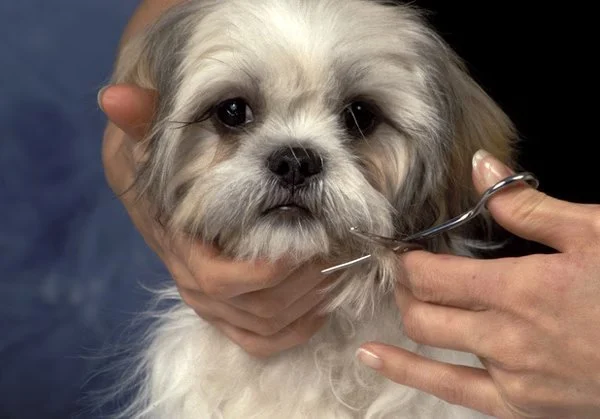
Why Grooming Your Pet at Home is Important
Regular grooming is a crucial part of pet care, and grooming your pet at home offers many benefits. Not only does it help keep your pet clean and comfortable, but it also strengthens the bond between you and your furry companion. Grooming at home can also save you money and time spent at professional grooming salons. For pets that are sensitive or anxious about being handled by strangers, grooming at home can be a less stressful experience.
Home grooming also allows you to spot potential health issues early on. Regular brushing can help detect skin infections, ticks, fleas, or abnormalities in your pet’s coat. Additionally, grooming at home ensures that your pet gets the attention and care they need to stay healthy and happy.

White Stone Veterinary Clinic
PlainfieldHendricks CountyIndiana
120 N Vine St, Plainfield, IN 46168, USA
Essential Pet Grooming Tools for Home Use
To groom your pet effectively, having the right tools is essential. Below are some must-have grooming tools for both dogs and cats:
- Brushes and Combs: Brushes are essential for keeping your pet’s coat shiny and free of tangles. The type of brush you need depends on your pet’s coat type. Slicker brushes are great for removing mats, while pin brushes work well for longer coats. Bristle brushes are ideal for short-haired pets.
- Shampoos and Conditioners: Pet-specific shampoos and conditioners are important for keeping your pet’s skin and coat healthy. Choose a product suited to your pet’s specific needs, such as hypoallergenic formulas or those designed for sensitive skin.
- Nail Clippers: Regular nail trimming is essential for your pet’s comfort and health. Invest in a quality pair of nail clippers designed for pets. Guillotine clippers or scissor-type clippers are popular choices, and you should be careful to avoid cutting too close to the quick, which can cause bleeding.
- Ear Cleaners: Cleaning your pet’s ears regularly helps prevent infections. Make sure to use a pet-safe ear cleaner and avoid inserting anything into the ear canal.
- Fur Clippers or Shears: If your dog has a longer coat, you may need clippers or grooming shears to trim their fur. It’s important to get a set that’s suitable for your pet’s coat type to avoid discomfort or injury.
Having these tools on hand will make the grooming process easier and more efficient, ensuring your pet stays in top condition.

PetVet Vaccination Clinic
ScottsvilleAllen CountyKentucky
1138 Old Gallatin Rd, Scottsville, KY 42164, USA
Grooming Techniques for Dogs
When grooming your dog, it’s essential to follow a routine that’s suited to their specific needs. Here’s how to properly groom your dog at home:
- Brushing: Begin by brushing your dog’s coat to remove any tangles or mats. For short-haired dogs, use a bristle or rubber brush. For long-haired dogs, a slicker brush or comb works best to get through the fur.
- Bathing: When bathing your dog, ensure the water temperature is comfortable. Use a mild, pet-friendly shampoo and gently massage it into their fur. Be sure to rinse thoroughly to avoid any shampoo residue that could irritate their skin.
- Nail Trimming: Regular nail trimming is necessary to prevent your dog’s nails from becoming too long or uncomfortable. Trim the nails carefully, avoiding the quick, which is the sensitive part of the nail. If you’re unsure, it’s better to trim a little bit at a time.
- Ear and Teeth Care: Regularly clean your dog’s ears and teeth to prevent infections. Use a pet-specific ear cleaner and a toothbrush designed for dogs to gently clean their teeth and gums.
Grooming sessions can be a great opportunity to check your dog for any skin issues, lumps, or bumps that might need veterinary attention.
Grooming Techniques for Cats
Grooming your cat at home requires a slightly different approach compared to dogs. Here are some essential grooming steps for your feline friend:
- Brushing: Most cats, especially long-haired breeds, benefit from regular brushing. A slicker brush or wide-toothed comb works best for untangling their fur. Brushing also helps to reduce shedding and hairballs, which are common issues for cats.
- Bathing: While most cats do not require frequent baths, some cats, especially those with long fur, may need occasional bathing. Use a mild cat shampoo and ensure you dry them thoroughly to avoid cold or discomfort.
- Nail Trimming: Cats’ nails can become overgrown, so regular trimming is important. Use cat-specific nail clippers, and make sure to only trim the sharp tip of the nail to avoid cutting into the quick.
- Ear Care: Cats are prone to ear infections, so it’s important to clean their ears regularly using an ear cleaner designed for felines. Be gentle and avoid inserting anything into the ear canal.
For some cats, grooming sessions can be stressful, so it’s important to make the process as calm and enjoyable as possible. Positive reinforcement and treats can help your cat associate grooming with pleasant experiences.
Common Grooming Challenges and Solutions
While grooming your pet at home is a rewarding experience, it can come with its own set of challenges. Here are some common issues pet owners face and how to overcome them:
- Pet Anxiety: Some pets, especially cats, may become anxious during grooming sessions. Try to create a calm, quiet environment and use treats or toys to distract and reward them for cooperating.
- Tangled Fur: Long-haired pets are prone to mats and tangles. If you encounter a stubborn mat, use a detangling spray or a special mat comb. For severe tangles, seek the help of a professional groomer.
- Handling Difficult Pets: If your pet is squirming or uncooperative, take breaks during the grooming process to avoid stress. Some pets may require additional training to become more accustomed to grooming.
Real-Life Pet Grooming Experiences
Many pet owners find that regular grooming helps build a stronger bond with their pets. For instance, Sarah, a dog owner from New York, shared that after a few grooming sessions, her dog started to enjoy the process, especially when she rewarded him with his favorite treat afterward. She also noticed that his coat became shinier and he was less prone to itching and skin irritations.
Similarly, Mark, a cat owner from California, struggled with his cat’s anxiety during grooming sessions. After gradually introducing the grooming routine and using calming sprays, he found that his cat became more relaxed and even began to purr during brushing sessions.
Maintaining Your Pet Grooming Tools
Maintaining your grooming tools is just as important as using the right ones. Here are a few tips for keeping your tools in top condition:
- Clean Regularly: After each use, clean your grooming tools with warm water and mild soap. For clippers, follow the manufacturer’s instructions to clean and lubricate them.
- Sharpen Blades: Regularly sharpen your pet grooming shears or clippers to ensure they work effectively and don’t cause discomfort during grooming.
- Replace Worn-Out Tools: If any of your grooming tools become worn or damaged, replace them immediately to avoid causing harm to your pet.
With the right care, your grooming tools will last longer and make the grooming process smoother and more enjoyable for both you and your pet.
If you're looking for high-quality pet grooming products or expert tips, visit Pet & Puppy for all your pet care needs. We offer the best grooming tools and products to help you care for your pet at home.


 VIP Petcare Vaccination Clinic0.0 (0 reviews)
 The Pet Wellness Group: Florence4.0 (329 reviews)
 VCA El Mirage Animal Hospital4.0 (279 reviews)
 Breed All About It. LLC4.0 (14 reviews)
 Soria Petshop4.0 (41 reviews)
 Bullitt County Veterinary Center4.0 (216 reviews)
 How to Transition a Senior Pet to Easier-to-Eat Food: A Comprehensive Guide
 How to Advocate for Your Pet’s Health: What Owners Should Know
 How to Choose the Right Pet Supplement Brand: Essential Tips for Pet Owners
 Essential Vitamins & Minerals Pets Need for Healthy Living
 Understanding Pet Insurance: What Is and Isn’t Covered
 Freeze-Dried" Pet Food Trend: Is It Worth It?