
- Understanding Wet vs Dry Food
- Benefits of Wet Food
- Benefits of Dry Food
- When to Feed Wet Food
- When to Feed Dry Food
- Combining Wet and Dry Food
Understanding Wet vs Dry Food
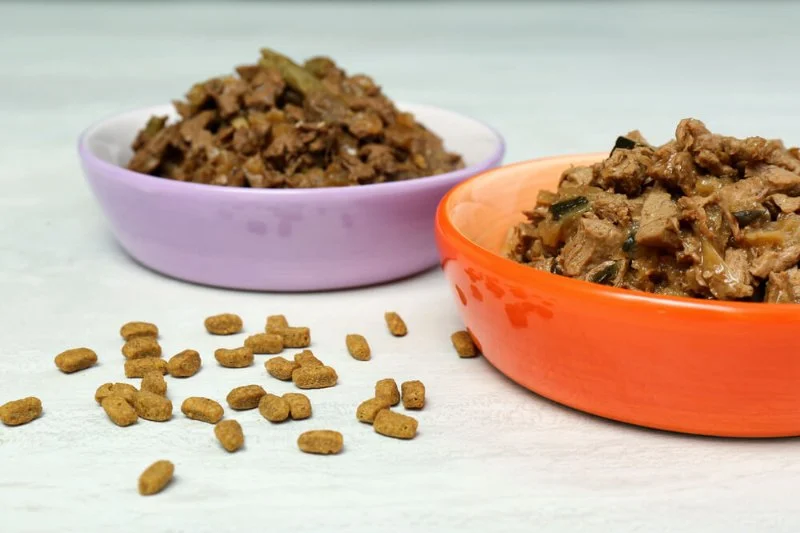
When it comes to choosing the right food for your pet, one of the most common decisions pet owners face is whether to feed their pets wet or dry food. Both types of pet food have their advantages and disadvantages, so it’s important to understand the differences and know when each is best suited for your furry friend’s needs.
Wet food, as the name suggests, contains a higher moisture content, which makes it softer and easier to chew. It is often available in cans or pouches and is a popular choice for many pet owners. On the other hand, dry food is typically more convenient, comes in kibble form, and has a longer shelf life. Understanding when to use each type of food can help you make the best decision for your pet’s health and well-being.

Louisville Veterinary Urgent Care
LouisvilleJefferson CountyKentucky
12937 Shelbyville Rd # 101, Louisville, KY 40243, USA
Benefits of Wet Food
Wet food has several benefits that make it a great option for certain pets. Here are a few key advantages:

1. Higher Moisture Content
One of the primary benefits of wet food is its high moisture content. This can be particularly beneficial for pets that don’t drink enough water on their own. Wet food helps ensure your pet stays hydrated, which is essential for their overall health, especially for pets with kidney issues or urinary tract problems.
2. Easier to Chew
Wet food is softer and easier to chew, making it a good choice for pets with dental issues or older pets that may have difficulty chewing dry kibble. The texture of wet food can also be more palatable for picky eaters who may not find dry food as appealing.
3. More Flavorful
Many pets find wet food more flavorful due to its moisture and aroma. This can be especially helpful if your pet is a fussy eater or if they’ve lost their appetite. The rich texture and taste often encourage pets to eat more, ensuring they get the nutrition they need.
Benefits of Dry Food
While wet food has its perks, dry food also offers several benefits that make it a convenient and effective choice for many pet owners. Let’s take a closer look:
1. Convenient and Cost-Effective
Dry food is much more convenient to store, and it typically has a longer shelf life than wet food. It’s also more cost-effective, which can make it a better option for pet owners on a budget. Additionally, dry food is easy to portion out, which makes feeding simpler and cleaner.
2. Helps Maintain Dental Health
One of the key advantages of dry food is its ability to help maintain dental health. The crunchy texture of kibble can help reduce tartar buildup on your pet’s teeth, providing some level of dental care while they eat. This can help keep your pet’s teeth clean and reduce the risk of gum disease.
3. Less Mess
Dry food is less messy compared to wet food. Since there is no liquid, it’s easier to store, serve, and clean up after. This makes it a great option for busy pet owners or those who want to minimize the hassle of feeding their pets.
When to Feed Wet Food
Wet food can be a great choice in several situations. Here are a few scenarios when you might want to choose wet food for your pet:
1. Picky Eaters
If your pet is a picky eater and often turns their nose up at dry food, wet food might be the answer. Its enhanced flavor and aroma can encourage even the most finicky pets to eat. You can also mix wet food with dry food to make it more appetizing.
2. Pets with Health Issues
Pets that have health issues like kidney disease, urinary tract infections, or dental problems may benefit from the higher moisture content of wet food. The added hydration helps support kidney function, and the soft texture is easier on pets with dental issues.
3. Puppies and Seniors
Puppies and senior pets may find wet food easier to chew, especially if they have developing or weakened teeth. Wet food can also be easier for them to digest, providing essential nutrients during their growing or aging years.
When to Feed Dry Food
Dry food also has its place in a pet’s diet. Here are a few times when dry food might be the better option:
1. Weight Management
Dry food is often more calorie-dense than wet food, which can help pets maintain a healthy weight, especially those that are less active. It’s easier to measure portions and control calorie intake with dry food.
2. Convenience and Portability
If you're traveling or need to leave food out for your pet while you’re away, dry food is the more convenient option. It doesn’t require refrigeration or immediate consumption, making it a better choice for busy schedules or on-the-go pet owners.
3. Dental Health Concerns
If you’re concerned about your pet’s dental health, dry food is an excellent option. The crunchiness helps clean your pet’s teeth and gums, reducing tartar buildup and promoting better oral hygiene.
Combining Wet and Dry Food
Some pet owners opt to combine wet and dry food to enjoy the benefits of both. Mixing wet food with dry kibble can make the meal more exciting for your pet while also providing the hydration benefits of wet food and the dental advantages of dry food.
If you decide to mix the two, ensure you adjust portion sizes appropriately so that your pet gets the right amount of calories. It's also important to check with your veterinarian if you’re unsure about the right balance for your pet’s diet.
For the best options in pet food, check out [Pet & Puppy] for a wide range of wet and dry food products tailored to your pet’s needs.





 Meridian Veterinary Clinic & Hospital4.0 (439 reviews)
 Petco4.0 (603 reviews)
 Julie Bartz, DVM5.0 (3 reviews)
 Puppy Time Puppies4.0 (43 reviews)
 Chewy Pharmacy4.0 (82 reviews)
 Companion Care Animal Hospital4.0 (301 reviews)
 How to Choose the Right Dog Food: Key Ingredients and Tips
 Recognizing Pet Anxiety: Behavioral & Physiological Cues Every Pet Owner Should Know
 How to Tell if Your Pet Is in Pain (When They Can’t Speak)
 Transitioning Pets to a New Brand: Timelines & Guidelines
 How to Handle Pet Jealousy When You Have More Than One
 The Hidden Dangers in Common Pet Supplies