
- 1-Understanding-Separation-Stress
- 2-Creating-a-Comfortable-Environment
- 3-Gradual-Desensitization-Techniques
- 4-Using-Toys-and-Enrichment
- 5-Real-Life-Stories-and-Success
- 6-Seeking-Professional-Advice
1. Understanding Separation Stress
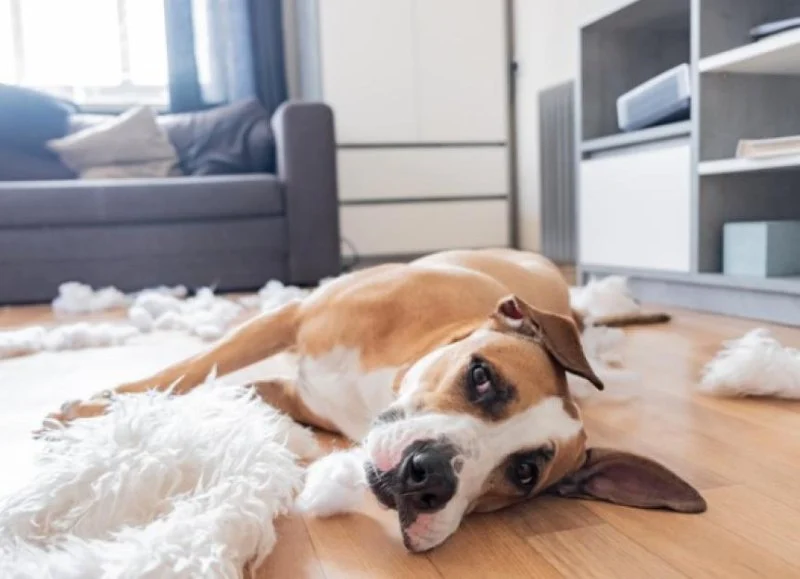
Separation stress in dogs is a common behavioral challenge that occurs when dogs feel anxious or distressed while left alone. Signs include excessive barking, destructive behavior, pacing, and even self-injury. Understanding the underlying causes, such as attachment to owners, lack of mental stimulation, or previous traumatic experiences, is crucial in addressing the problem effectively.

2. Creating a Comfortable Environment
Setting up a safe and comfortable space at home can reduce stress in dogs. Use cozy beds, access to fresh water, and calm lighting to create a sanctuary-like area. Playing soft music or leaving an item with your scent can help your dog feel more secure. Establishing a consistent routine also reduces uncertainty, helping your pet anticipate your return.

3. Gradual Desensitization Techniques
One effective method to help dogs with separation stress is gradual desensitization. Begin by leaving your dog alone for short periods, gradually increasing the duration over time. Combine this with positive reinforcement such as treats or praise when they remain calm. This process teaches your dog that being alone is safe and non-threatening, reducing anxiety progressively.
4. Using Toys and Enrichment
Interactive toys, puzzle feeders, and chew toys can keep dogs engaged and distracted during your absence. These tools not only provide mental stimulation but also reduce destructive behaviors caused by boredom or anxiety. Rotating toys regularly keeps the environment novel and exciting, encouraging positive coping strategies.
5. Real-Life Stories and Success
Consider the story of Bella, a Labrador in Chicago, who displayed extreme anxiety whenever left alone. Her owner implemented a structured desensitization plan and introduced puzzle feeders. Within a few weeks, Bella showed remarkable improvement, spending time calmly in her designated area and greeting her owner happily upon return. Such examples demonstrate that consistent, patient techniques work effectively.
6. Seeking Professional Advice
If separation stress persists despite at-home interventions, consulting a professional dog trainer or veterinary behaviorist can be highly beneficial. They provide tailored guidance, may suggest behavior modification plans, and in some cases, recommend safe anxiety-reducing products. For a curated selection of effective tools, toys, and professional guidance, visit Pet & Puppy to access resources designed to support dogs experiencing separation stress.






 Backyard Birds4.0 (89 reviews)
 Bailey's Barking Goodies LLC0.0 (0 reviews)
 Vetco Vaccination Clinic4.0 (19 reviews)
 Care Animal Hospital: Hobson Matt DVM5.0 (18 reviews)
 Connersville Veterinary Clinic4.0 (363 reviews)
 Desert Mountain Equine4.0 (80 reviews)
 Monitoring Pet Weight: Tools & Strategies for a Healthy Pet
 How to Teach Cats to Use a Scratching Post
 Senior Pet Care: How to Monitor Aging-Related Health Issues
 How Often Should You Change Your Pet’s Diet? A Vet’s View
 3D Imaging & Pet Diagnostics: What You Should Know
 Heatstroke Prevention: How to Keep Pets Cool in Summer