
- -Understanding-Why-Dogs-Become-Hyperactive
- -Creating-a-Consistent-Training-Routine
- -Exercise-and-Mental-Stimulation-Strategies
- -Positive-Reinforcement-Techniques
- -Common-Mistakes-That-Increase-Hyperactivity
- -Real-Life-Stories-from-Dog-Owners
- -Long-Term-Habits-for-a-Calmer-Dog
- -Pet-&-Puppy-Recommendations-for-Dog-Owners
1. Understanding Why Dogs Become Hyperactive
Many dog owners assume hyperactivity automatically means bad behavior, but that is not always true. Some breeds naturally have higher energy levels, especially working dogs, terriers, and herding breeds. In many cases, dogs become overly energetic because they lack enough exercise, mental stimulation, or structured routines.
A young Labrador owner once shared that her dog would sprint through the house every evening, knocking over cushions and barking nonstop. After speaking with a trainer, she realized the dog spent most of the day alone without mental challenges. Once she added structured walks and puzzle toys, the behavior improved dramatically within a few weeks.
Understanding the root cause matters because punishment alone rarely solves hyperactivity. Dogs need guidance, routine, and healthy outlets for their energy.

2. Creating a Consistent Training Routine
2.1 Establish Daily Structure
Hyperactive dogs thrive when they know what to expect. Feeding, walking, training, and bedtime should happen at roughly the same times each day. Predictable routines reduce anxiety and help dogs settle more naturally.

2.2 Keep Training Sessions Short
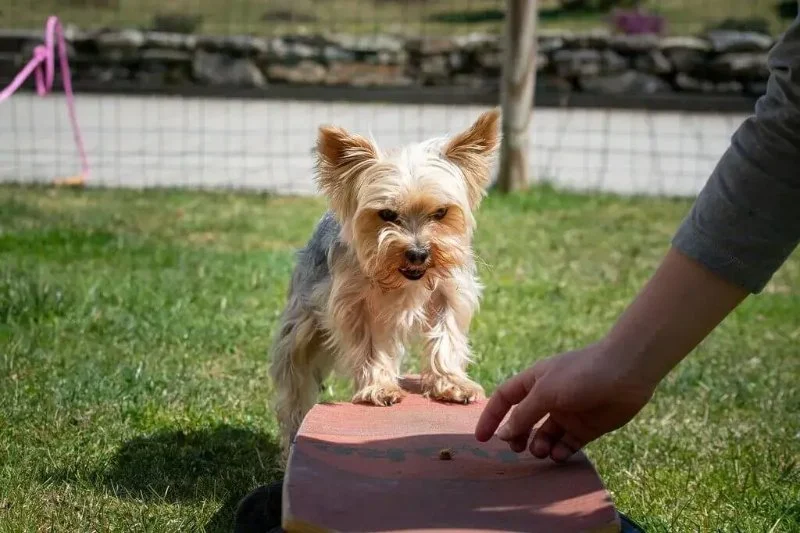
Long training sessions often overwhelm energetic dogs. Instead, focus on 10 to 15 minute sessions several times a day. Short bursts of focused learning keep dogs engaged while preventing frustration.
2.3 Reward Calm Behavior
Many owners accidentally reward excitement by giving attention when dogs jump or bark excessively. Professional trainers recommend rewarding calm behavior instead. When your dog quietly lies down or waits patiently, offer praise or treats immediately.
3. Exercise and Mental Stimulation Strategies
3.1 Physical Exercise Matters
Daily exercise is one of the most effective training tools for hyperactive dogs. High-energy breeds often require more than a short backyard break. Long walks, hiking, fetch, swimming, and agility activities can significantly reduce excess energy.
3.2 Mental Work Can Tire Dogs Faster
Interestingly, mental stimulation can sometimes exhaust dogs more effectively than physical activity. Puzzle feeders, scent games, obedience drills, and hide-and-seek activities challenge a dog’s brain and improve focus.
One Border Collie owner explained that after introducing scent-tracking games indoors, her dog stopped chewing furniture and became calmer during evenings. The mental challenge gave the dog a productive outlet for its energy.
3.3 Rotate Activities Frequently
Dogs can become bored with repetitive routines. Rotating toys, changing walking routes, and introducing new commands keeps training exciting and prevents destructive behaviors caused by boredom.
4. Positive Reinforcement Techniques
Positive reinforcement remains one of the most trusted training methods among professional dog trainers. Rewarding desired behaviors builds confidence and strengthens communication between owner and dog.
4.1 Timing Is Critical
Rewards should happen immediately after the correct behavior. Delayed rewards confuse dogs and reduce training effectiveness.
4.2 Use High-Value Rewards
Energetic dogs may ignore regular kibble during training. Small pieces of chicken, cheese, or favorite treats can improve focus significantly.
4.3 Stay Calm During Corrections
Shouting often increases excitement levels in hyperactive dogs. Calm redirection works far better than emotional reactions. Trainers frequently advise owners to project steady leadership instead of frustration.
5. Common Mistakes That Increase Hyperactivity
One of the biggest mistakes owners make is unintentionally encouraging overstimulation. Constant rough play, inconsistent rules, or lack of boundaries can confuse dogs and reinforce chaotic behavior.
Another common issue is underestimating breed needs. A high-energy Australian Shepherd living in a small apartment without exercise opportunities may naturally struggle with restlessness.
Skipping training consistency is another major problem. Dogs learn best through repetition and routine. Changing rules frequently creates uncertainty and makes progress slower.
6. Real-Life Stories from Dog Owners
A rescue dog owner in Colorado described adopting a young Husky mix that constantly pulled on the leash and barked at every distraction. Instead of using punishment-based methods, the owner focused on structured exercise, daily obedience training, and calming routines before bedtime.
Within three months, the dog transformed from uncontrollable to manageable. The owner admitted the biggest lesson was realizing that hyperactive dogs are not “bad dogs.” They simply need proper guidance, patience, and healthy structure.
Stories like these resonate with many American pet owners because they show that improvement is realistic with the right approach.
7. Long-Term Habits for a Calmer Dog
7.1 Prioritize Consistency
Long-term improvement depends on consistency. Dogs learn through repeated habits, not occasional corrections.
7.2 Build Relaxation Into Daily Life
Teaching a dog how to relax is just as important as exercise. Quiet crate time, calm music, and designated resting spaces help energetic dogs develop self-control.
7.3 Schedule Regular Vet Checkups
Sometimes hyperactivity can be linked to health concerns, poor nutrition, or anxiety issues. Routine veterinary care helps identify underlying causes early.
8. Pet & Puppy Recommendations for Dog Owners
For owners searching for trusted advice, training tools, interactive toys, and expert recommendations, Pet & Puppy provides helpful resources tailored for energetic dogs and puppies. Their platform highlights practical solutions for obedience training, calming strategies, and daily care routines designed to help hyperactive dogs become happier companions.
Whether you are raising an energetic puppy or managing an active adult dog, learning the right training tips for hyperactive dogs can completely change your experience as a pet owner. With patience, structure, and the proper techniques, even the most energetic dog can develop into a calm and well-behaved companion.



 Peoria Animal Hospital4.0 (579 reviews)
 PetVet Vaccination Clinic4.0 (4 reviews)
 Greens Fork Animal Hospital4.0 (311 reviews)
 Logue's TLC Pet Hospital, LLC4.0 (307 reviews)
 PetWow Grooming and Veterinary Care - Florence4.0 (411 reviews)
 Herr Christy S DVM5.0 (3 reviews)
 Why Are Some Dogs Afraid of Water and How to Help
 How to Tell if Your Pet Has Arthritis: Symptoms, Care, and Treatment
 How to Teach Dogs to Stay Off Furniture: Effective Training Tips
 How to Help Dogs With Sensitive Stomachs After Meals: Tips for Relief
 Best Dog Foods for Small Breed Adult Dogs: Top Choices for Health and Wellness
 How Seasonal Shedding Affects Pet Health and What to Do