
- Why-Moving-Is-Stressful-for-Dogs
- Signs-Your-Dog-Is-Stressed-After-Moving
- Preparing-Your-Dog-Before-the-Move
- Helping-Your-Dog-Adjust-to-a-New-Home
- A-Real-Pet-Owner-Experience
- Long-Term-Strategies-for-Dog-Comfort
- Helpful-Pet-Resources-for-New-Environments
1. Why Moving Is Stressful for Dogs
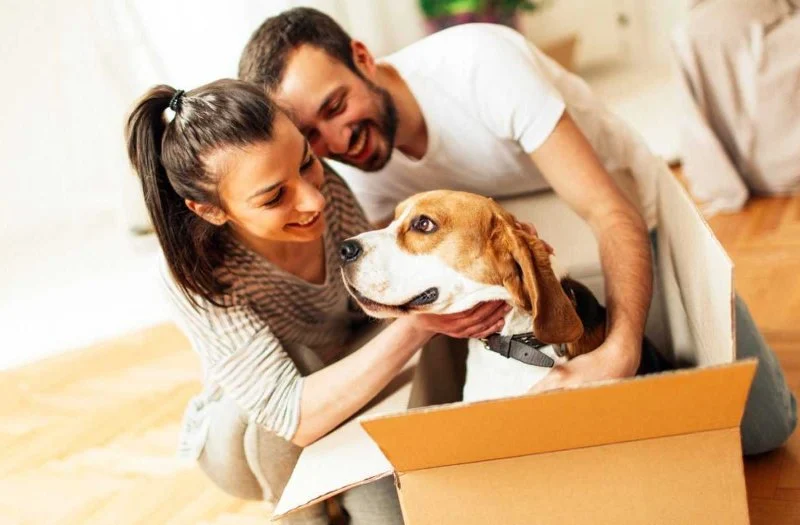
Moving to a new home can be exciting for people, but for dogs it often feels confusing and overwhelming. Dogs rely heavily on familiar environments, routines, and scents to feel safe. When everything around them suddenly changes—new smells, new sounds, and unfamiliar rooms—it can trigger anxiety.
Understanding how to help dogs with stress from moving begins with recognizing how strongly dogs bond with their surroundings. What may seem like a normal life transition to humans can feel like a complete disruption to a dog’s sense of security.

1.1 Dogs Depend on Familiar Territory
Dogs mark their territory through scent. Their bedding, favorite toys, and even the furniture carry familiar smells that reassure them. When those familiar cues disappear during a move, dogs may feel uncertain about their environment.

Hartzell Veterinary Service: Charles W. Hartzell, DVM and Sue Ann Hartzell, DVM
5646 Horatio-Harris Creek Rd, Greenville, OH 45331, USA
1.2 Changes in Routine Create Anxiety
Moving often disrupts daily routines. Feeding times, walking routes, and sleeping arrangements may change. Dogs thrive on consistency, so sudden schedule changes can increase stress.
1.3 New Sounds and Stimuli
A new home may introduce unfamiliar noises such as traffic, neighbors, elevators, or wildlife. These new stimuli can make dogs feel alert or uneasy until they become accustomed to the environment.
2. Signs Your Dog Is Stressed After Moving
Every dog reacts differently to a relocation. Some adjust quickly, while others need time to feel comfortable again.
2.1 Behavioral Changes
One of the most common signs of stress is a change in behavior. Dogs may become unusually quiet, restless, or clingy toward their owners.
2.2 Appetite Changes
Some dogs eat less during the first few days after moving. A temporary decrease in appetite can be normal, but prolonged refusal to eat may indicate ongoing anxiety.
2.3 Excessive Barking or Hiding
Dogs experiencing stress may bark more frequently at unfamiliar sounds or hide in corners where they feel safer.
3. Preparing Your Dog Before the Move
Helping your dog adjust to a new home begins before the move even happens.
3.1 Maintain Normal Routines
During the packing process, try to keep your dog’s feeding, walking, and playtime schedules consistent. Familiar routines provide reassurance when other parts of the household feel chaotic.
3.2 Create a Safe Space During Packing
Packing boxes and moving furniture can be stressful for dogs. Designating a quiet room where they can relax away from the activity can help reduce anxiety.
3.3 Bring Familiar Items to the New Home
Items like your dog’s bed, blankets, and toys carry familiar scents that can provide comfort when introduced into the new environment.
4. Helping Your Dog Adjust to a New Home
The first few days in a new home are critical for helping your dog feel safe.
4.1 Introduce the Home Slowly
Allow your dog to explore the house gradually rather than overwhelming them with too many rooms at once.
4.2 Reestablish Routines Quickly
Returning to familiar feeding schedules, walks, and playtime helps your dog regain a sense of stability.
4.3 Spend Extra Time Together
Dogs often feel calmer when they are close to their owners. Spending time playing or relaxing together helps reassure them that their family remains the same despite the new surroundings.
5. A Real Pet Owner Experience
A dog owner in Colorado once shared their moving experience with their golden retriever on a popular pet forum. After relocating to a new apartment, the dog initially refused to sleep in unfamiliar rooms and spent hours near the front door.
The owner decided to recreate the dog’s previous sleeping area using the same blanket and bed placement from the old house. Within a few days, the dog began relaxing and exploring the new space more confidently.
This simple adjustment showed how small details—like familiar smells and routines—can significantly reduce stress for pets during relocation.
6. Long-Term Strategies for Dog Comfort
Even after the first few weeks, it’s important to continue helping your dog feel secure in the new environment.
6.1 Establish Familiar Walking Routes
Regular walks in nearby parks or neighborhoods allow dogs to build new scent maps and gain confidence in their surroundings.
6.2 Positive Reinforcement
Rewarding calm behavior with treats and praise encourages dogs to associate the new home with positive experiences.
6.3 Social Interaction
Meeting other dogs and friendly neighbors can help your pet feel more comfortable in the community.
7. Helpful Pet Resources for New Environments
Many pet owners look for additional support when helping their dogs adjust after a move.
7.1 Training Guides and Behavioral Advice
Pet behavior resources often provide useful tips for reducing anxiety and reinforcing positive habits.
7.2 Comfort Products for Dogs
Items like calming beds, interactive toys, and chew treats can help reduce stress while your dog adapts to new surroundings.
7.3 Pet Care Communities
Many dog owners exploring ways to help their pets settle into new homes often turn to trusted pet platforms such as Pet & Puppy, where they can discover helpful resources, products, and advice for improving their pet’s well-being.
Learning how to help dogs with stress from moving takes patience and understanding. With consistent routines, familiar comforts, and supportive care, most dogs gradually adapt and begin to feel at home again in their new environment.





 Village Animal Clinic4.0 (217 reviews)
 City Way Animal Clinics - Fountain Square4.0 (526 reviews)
 Lifetime Pet Center - New Richmond4.0 (97 reviews)
 Shelton Veterinary Care4.0 (331 reviews)
 City Way Animal Clinics - Mass Ave4.0 (509 reviews)
 Edwardsville Animal Clinic4.0 (163 reviews)
 How to Stop Excessive Barking: Tools & Training Tips for Dogs
 How AI & Data Are Transforming Preventive Pet Health Care
 Remote Monitoring of Chronic Illness in Pets: A New Era in Pet Healthcare
 Leash Pulling in Dogs: Causes & Effective Correction Techniques
 How to Recognize Illnesses Before They Get Serious in Pets
 Omega-3 & Omega-6 Fatty Acids: Why They Matter in Pet Diets