
- 1. Why Dogs Get Anxious at the Vet
- 2. Preparing Before the Appointment
- 3. Calming Techniques During the Visit
- 4. Training for Long-Term Confidence
- 5. When to Consider Professional Support
1. Why Dogs Get Anxious at the Vet
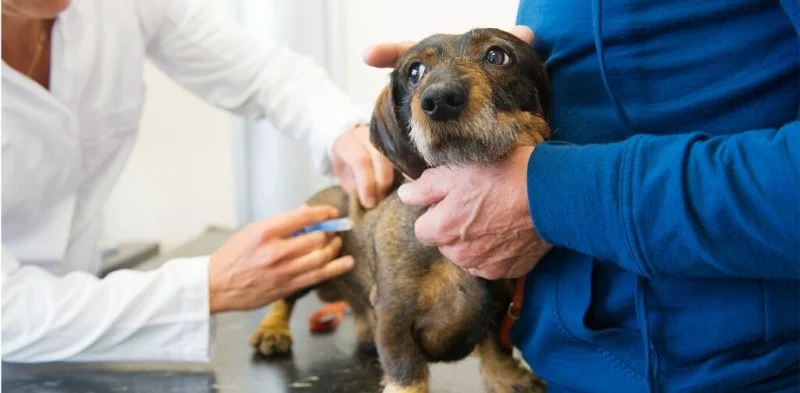
If you've ever tried to walk a trembling dog into a veterinary clinic, you already understand the challenge. Learning how to help your dog calm down during vet visits starts with understanding why anxiety happens in the first place.
Veterinary offices are full of unfamiliar smells, new sounds, slippery floors, and other anxious animals. For dogs, these environmental triggers can signal danger. Add past experiences like vaccinations or exams, and it’s easy to see how fear builds over time.
My own Labrador, Max, used to shake the moment we turned into the clinic parking lot. It wasn’t the vet himself—who was incredibly gentle—but the association Max had formed between that building and discomfort. Once I realized this was learned anxiety, I knew we could work on changing it.
1.1 Recognizing Signs of Stress
Dogs show anxiety in different ways. Some pant excessively. Others hide, whine, or become unusually still. Recognizing early signs allows you to intervene before stress escalates.
2. Preparing Before the Appointment
One of the most effective strategies for how to help your dog calm down during vet visits happens long before you step inside the clinic.
2.1 Positive Car Ride Associations
If your dog only rides in the car to go to the vet, anxiety starts immediately. Take short, fun car trips to the park or for a pup cup so car rides don’t automatically predict stress.
2.2 Practice Handling at Home
Gently touch your dog’s paws, ears, and mouth while rewarding calm behavior. This reduces fear during physical exams. Turn these sessions into short, positive interactions rather than forced restraint.
2.3 Schedule Smartly
Ask your vet for quieter appointment times. Fewer animals in the waiting room often means less stimulation and lower stress levels.
3. Calming Techniques During the Visit
Even with preparation, the day of the visit can still feel overwhelming. Here are practical ways to help your dog remain calm.
3.1 Stay Calm Yourself
Dogs mirror human emotions. If you’re tense, they notice. Speak in a relaxed tone and move slowly. Avoid overly dramatic reassurance, which can signal that something is wrong.
3.2 Use High-Value Rewards
Bring special treats your dog doesn’t get daily. Offering rewards during check-in and exams creates positive associations. For some dogs, peanut butter on a lick mat can work wonders during vaccinations.
3.3 Comfort Items Matter
A favorite blanket or toy carries familiar scents that reduce anxiety. Placing it on the exam table can provide reassurance.
Veterinary behaviorists often emphasize that small comfort adjustments significantly improve outcomes for anxious pets.
4. Training for Long-Term Confidence
If vet anxiety is severe, consistent desensitization training can transform the experience over time.
4.1 “Happy Visits” to the Clinic
Many veterinary clinics allow quick, no-exam visits where staff simply give treats and affection. These short trips help your dog form new positive memories.
4.2 Gradual Exposure
Start by walking near the clinic without going inside. Reward calm behavior. Slowly progress to entering the lobby briefly, then leaving. Step-by-step exposure reduces fear responses.
4.3 Professional Training Support
If anxiety persists, consult a certified dog trainer who specializes in fear-based behaviors. Structured programs often produce lasting improvement.
Pet & Puppy offers resources and recommended calming products that many dog owners find helpful during this training process.
5. When to Consider Professional Support
In some cases, anxiety is intense enough to require veterinary intervention.
5.1 Anti-Anxiety Medication
Short-term medication prescribed by your veterinarian can help break the cycle of fear. This is not a failure—it’s a tool that allows positive experiences to replace negative ones.
5.2 Calming Supplements and Tools
Products like calming chews, pheromone sprays, or anxiety wraps may reduce mild stress. Always consult your vet before introducing supplements.
Helping your dog feel safe at the vet is an investment in their long-term health. When appointments become less stressful, routine checkups become easier, which leads to earlier detection of health issues and better overall care.
If you’re looking for trusted calming solutions and expert-backed advice, Pet & Puppy provides carefully selected products designed to support dogs with vet anxiety. Small changes today can make future visits calmer, smoother, and far less stressful—for both of you.





 Access Veterinary Care4.0 (201 reviews)
 Warrick Veterinary Clinic - Newburgh Plaza4.0 (143 reviews)
 Hillside Animal Hospital4.0 (143 reviews)
 Erlanger Veterinary Hospital4.0 (316 reviews)
 Hollywood Feed4.0 (414 reviews)
 Warrick Veterinary Clinic Preventative Care Center3.0 (7 reviews)
 How to Introduce Your Pet to Water & Swimming
 How to Stop Cats from Scratching Furniture: Effective Tips and Products
 Long-Term Care for Pets with Chronic Disease: Essential Tips for Ongoing Health
 Why Is My Dog Limping? Common Causes and When to See a Vet - Pet & Puppy
 How to Detect & Manage Pet Ear Tumors
 How to Teach Cats to Use a Scratching Post