
How to Prevent Urinary Tract Infections in Dogs
- Understanding Urinary Tract Infections (UTIs) in Dogs
- Causes of UTIs in Dogs
- Symptoms of UTIs in Dogs
- Effective Prevention Strategies for UTIs in Dogs
- What to Do if Your Dog Gets a UTI
Understanding Urinary Tract Infections (UTIs) in Dogs
Urinary Tract Infections (UTIs) are common in dogs, especially in female dogs, and can lead to discomfort, pain, and more severe health issues if left untreated. A UTI occurs when harmful bacteria enter the urinary system and infect the bladder, kidneys, or urethra. These infections are typically treatable, but prevention is key to maintaining your dog's health and well-being.

Phoenix Equine Veterinary Services, LLC
Cave CreekMaricopa CountyArizona
6636 E Dale Ln, Cave Creek, AZ 85331, USA
Causes of UTIs in Dogs
Understanding the causes of UTIs in dogs is an essential step in prevention. Several factors can contribute to urinary tract infections, including:

Regional Veterinary Services
SpringvilleLawrence CountyIndiana
1652 Springville-Judah Rd, Springville, IN 47462, USA
1. Bacterial Infections
The most common cause of UTIs in dogs is bacterial infection. Bacteria can enter the urinary tract through the urethra, leading to infection. The most common bacteria responsible for UTIs in dogs are Escherichia coli (E. coli).
2. Anatomical Issues
Some dogs may have anatomical issues, such as a narrow urethra or an abnormal bladder structure, which can increase the risk of UTIs. These dogs may have difficulty fully emptying their bladders, creating an environment where bacteria can thrive.
3. Diabetes and Other Medical Conditions
Conditions like diabetes can make a dog more susceptible to UTIs. High blood sugar levels can encourage bacterial growth, making it easier for infections to occur. Dogs with compromised immune systems are also more vulnerable to UTIs.
Symptoms of UTIs in Dogs
Recognizing the symptoms of a UTI in your dog is essential for prompt treatment. Common signs of a urinary tract infection in dogs include:
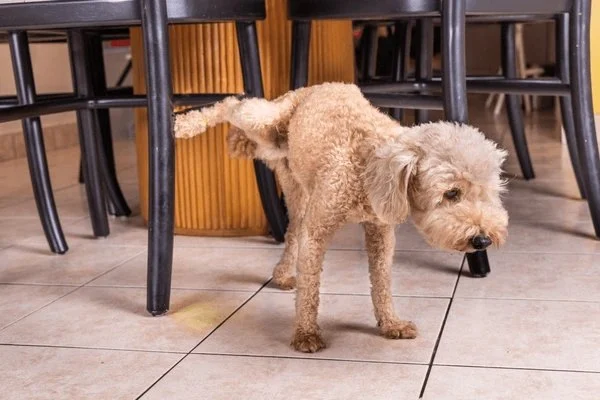
1. Frequent Urination
Dogs with UTIs may attempt to urinate frequently, but they might produce small amounts of urine each time.
2. Painful Urination
If your dog is having trouble urinating or seems to be in pain, it may indicate a UTI. You may notice them whining, straining, or having difficulty urinating altogether.
3. Blood in Urine
Blood in your dog's urine is a clear sign of a UTI. If you notice any blood in their urine or a reddish tint, consult your veterinarian immediately.
4. Licking the Genital Area
Dogs with UTIs may excessively lick their genital area due to irritation or discomfort. This behavior can also be a sign of infection.
Effective Prevention Strategies for UTIs in Dogs
Prevention is always better than treatment. There are several steps you can take to help prevent urinary tract infections in your dog:
1. Keep Your Dog Hydrated
Encourage your dog to drink plenty of water to help flush out harmful bacteria from their urinary tract. Proper hydration is essential in preventing urinary issues and promoting overall health.
2. Regular Bathroom Breaks
Ensure your dog has access to regular bathroom breaks. Holding urine for long periods can lead to infections. Try to take your dog outside to relieve itself every few hours, especially if they are indoors for extended periods.
3. Cleanliness and Hygiene
Maintain good hygiene by wiping your dog's genital area after bathroom breaks, particularly if your dog has long fur. Keeping the area clean can help prevent bacteria from entering the urinary tract.
4. Monitor Diet
A healthy diet plays a crucial role in your dog's overall health, including urinary health. High-quality dog food with appropriate levels of nutrients can support their immune system and prevent infections.
5. Regular Vet Checkups
Schedule regular veterinary visits to ensure your dog’s health is on track. Your vet can perform routine urine tests to check for any signs of infection or other urinary tract issues.
What to Do if Your Dog Gets a UTI
If you suspect your dog has a urinary tract infection, it's essential to seek veterinary care promptly. UTIs are typically diagnosed through urine tests, and your vet may prescribe antibiotics to treat the infection. Follow your vet's instructions carefully, and make sure your dog finishes the entire course of antibiotics to fully eradicate the bacteria.
If left untreated, UTIs can lead to more severe issues, such as kidney infections or urinary blockages, which can be life-threatening. Therefore, early intervention is crucial.
By following the preventive measures outlined above, you can reduce the risk of UTIs in your dog and ensure they remain healthy and happy. For more tips on pet health and to find the best products for your dog’s care, visit Pet & Puppy for recommended products and services.





 Healing Wise Holistic Veterinary Care4.0 (4 reviews)
 Vetco Vaccination Clinic3.0 (7 reviews)
 Tropical Treasures4.0 (919 reviews)
 BluePearl Pet Hospital3.0 (795 reviews)
 Five Oaks Mobile Pet Clinic4.0 (90 reviews)
 East Bullitt Animal Clinic4.0 (131 reviews)
 Pet Insurance 101: What It Covers & When It Pays
 How to Create a Pet Health Journal: Metrics to Track for Better Pet Care
 How Pet Startups Are Disrupting Traditional Vet Care
 How AI & Machine Learning Are Shaping Veterinary Diagnostics
 How to Transition a Senior Pet to Easier-to-Eat Food: A Comprehensive Guide
 Remote Monitoring of Chronic Illness in Pets: A New Era in Pet Healthcare