

- Understanding-Puppy-Socialization-Basics-why-early-dog-interaction-matters
- Safe-First-Meetings-with-other-dogs-building-positive-experiences
- Reading-body-language-in-puppies-and-other-dogs
- Common-mistakes-in-puppy-socialization-and-how-to-avoid-them
- Real-world-examples-and-dog-park-introduction-scenarios
- Building-long-term-confidence-through-structured-social-exposure
Why Early Puppy Socialization Shapes Lifelong Behavior
Puppy socialization is not just a “nice to have” part of early training—it is one of the strongest predictors of how a dog behaves as an adult. When people search for how to socialize a puppy, they are usually trying to solve a very real problem: fear, barking, leash reactivity, or nervous behavior around unfamiliar dogs.
Between roughly 3 to 16 weeks of age, puppies go through a critical learning window. During this period, their brains are highly adaptable, meaning every positive or negative interaction leaves a strong impression. A calm meeting with another dog can create lifelong confidence, while a scary or chaotic encounter can lead to long-term fear responses.
One dog trainer in Oregon once shared a case of a rescue puppy named “Milo,” who had almost no early exposure to other dogs. When Milo was finally introduced to a calm golden retriever at six months old, he froze and refused to move. It took weeks of structured exposure before he could simply walk past another dog without panic. That story alone shows why early puppy behavior training matters so much.

Safe First Meetings That Build Confidence Instead of Fear
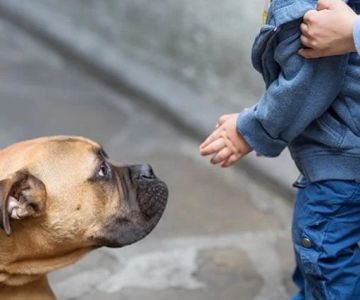
The first time your puppy meets another dog should never be random or uncontrolled. A successful introduction is more about environment than excitement. Quiet spaces, neutral territory, and calm dogs make all the difference.
Start with distance. Let your puppy observe another dog from far enough away that they remain relaxed. If their body is loose, tail neutral, and breathing steady, you can slowly reduce distance over time. This gradual exposure is the foundation of effective dog interaction tips.
A common mistake new owners make is rushing toward the dog park too early. While it seems like a great idea, it can overwhelm puppies who are still learning how to interpret social signals. A controlled one-on-one introduction is almost always more effective than a crowded environment.
Think of it like learning a language. You wouldn’t throw a beginner into a fast-paced conversation with native speakers and expect success. Puppies learn the same way—slow, structured, and consistent exposure works best.

Reading Body Language Like a Trainer
Understanding body language is one of the most powerful skills in puppy socialization. Dogs communicate constantly through posture, movement, and facial expression, even when they are silent.
A relaxed puppy will usually have:
- Soft eyes without intense staring
- Loose, wiggly body movement
- A neutral or gently wagging tail
- Open mouth and relaxed jaw
On the other hand, signs of stress include:
- Stiff body posture
- Tail tucked or frozen high position
- Lip licking or yawning in tense situations
- Avoidance or sudden freezing
Recognizing these signals early allows you to step in before a situation escalates. In professional dog behavior training, handlers often intervene not when aggression happens, but when subtle stress signals appear.
Common Socialization Mistakes That Slow Progress
One of the biggest mistakes owners make is assuming that “more exposure equals better results.” In reality, quality matters far more than quantity.
For example, repeatedly exposing a nervous puppy to loud, chaotic environments can reinforce fear rather than reduce it. This is especially true in busy parks where unpredictable behavior from other dogs can overwhelm a young pup.
Another common issue is forcing interaction. Pulling a puppy toward another dog or holding them in place removes their sense of control, which can increase anxiety. Healthy puppy confidence building always involves choice and gradual engagement.
There was a well-documented case in a California training group where a puppy named “Bella” developed leash reactivity after being repeatedly pushed into social situations she wasn’t ready for. Once her training shifted to slow, positive exposure, her behavior improved dramatically within weeks.
Real-World Puppy Socialization Scenarios
Imagine a Saturday morning at a quiet neighborhood park. A new puppy, “Charlie,” is on leash with his owner. A calm older Labrador is walking nearby. Instead of rushing forward, the owner stops at a distance where Charlie can simply observe.
At first, Charlie hesitates. Then he sits. After a minute, he begins to relax. The Labrador briefly glances over but continues walking calmly. This moment—seemingly small—is actually a major step in social learning.
Now contrast that with a busy dog park scenario. Ten dogs are running, barking, and playing at different intensities. For a young puppy, this can feel chaotic and unpredictable. Without preparation, it can create long-term anxiety rather than confidence.
This is why structured environments are essential in early puppy socialization. Controlled experiences build trust, while uncontrolled exposure can create confusion.
For owners looking for guidance tools, structured training resources and safe socialization products are often available through platforms like Pet & Puppy, which focus on supporting healthy early development and responsible interaction methods.
Building Long-Term Confidence Through Controlled Exposure
True socialization is not a one-time event—it is an ongoing process. Puppies need repeated positive experiences across different environments, dogs, and situations.
A well-socialized dog is not one that has met every possible dog type in the world, but one that has learned how to remain calm and responsive in new situations. This is the ultimate goal of early puppy training.
Training sessions should include short, positive interactions followed by rest periods. Over time, puppies learn that meeting other dogs does not always mean excitement or stress—it can simply be part of a normal walk.
Owners who consistently apply structured exposure often report fewer behavior problems as their dogs mature. Barking, leash pulling, and fear-based reactions tend to decrease when social learning is introduced early and correctly.
In the long run, how to socialize a puppy is less about strict rules and more about understanding emotional pacing. Puppies, like people, learn best when they feel safe, supported, and not rushed.





 Bedford Veterinary Medical Centre4.0 (483 reviews)
 Vistancia Animal Hospital4.0 (733 reviews)
 Amherst Animal Clinic4.0 (61 reviews)
 Central Kentucky Veterinary Services4.0 (231 reviews)
 Kirk Veterinary Service4.0 (226 reviews)
 Noah's Ark Animal Hospital4.0 (163 reviews)
 Socializing Your Dog: When, How & Why It Matters - Pet & Puppy
 Why Do Dogs Lick Their Paws After Eating? | Pet & Puppy
 Which Pet Supplements Are Worth the Money (and Which Aren’t)?
 What Every Dog Owner Should Know About Rabies
 Tips for Reducing Pet Allergy Symptoms in Multi-Pet Homes
 How to Handle Cat Scratching Behavior: Effective Deterrents & Alternatives