
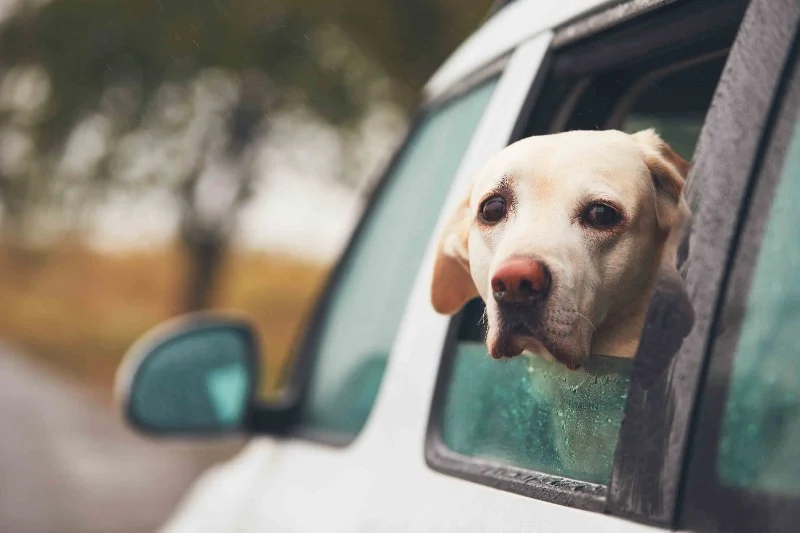
- why-dogs-fear-cars - causes like noise, motion, and past trauma
- early-signs-of-car-anxiety - shaking, refusal to enter, barking, drooling
- gradual-desensitization-training - step-by-step exposure to cars safely
- positive-association-techniques - treats, toys, and emotional conditioning
- safe-travel-practices - reducing stress during actual car rides
- real-life-dog-training-case - story-based behavior improvement example
- long-term-confidence-building - maintaining calm behavior over time
Why Some Dogs Develop Fear of Cars Over Time
Understanding how to help dogs with fear of cars starts with recognizing that this fear is not unusual. Many dogs develop anxiety around vehicles due to unfamiliar sounds, sudden motion, or negative early experiences.
For some dogs, the sound of an engine alone can trigger stress. Others associate cars with stressful events such as vet visits or long separations from their owners. Once this association forms, even approaching a parked car can create visible discomfort.
A common example comes from a rescue dog adopted in Texas who would freeze every time the garage door opened. The sound of the engine reminded him of previous traumatic transport experiences. With patience and structured training, this reaction gradually improved over several weeks.

All Pets Veterinary Clinic
FrankfortFranklin CountyKentucky
305 Leonardwood Dr Suite 1, Frankfort, KY 40601, USA
Recognizing Signs of Car Anxiety in Dogs
Before addressing training methods, it is important to recognize early warning signs of dog anxiety in cars. These signals help owners intervene before fear becomes deeply rooted.
Physical Signs of Stress
Dogs may show trembling, excessive drooling, or rapid breathing when near or inside a vehicle. These physical responses indicate heightened nervous system activity.
Behavioral Reactions
Some dogs refuse to approach the car, pull away on the leash, or bark excessively. In more severe cases, they may attempt to hide or escape the area entirely.
Gradual Desensitization: The Most Effective Training Approach
One of the most reliable methods for car desensitization training dogs involves gradual exposure. Instead of forcing a dog into a stressful situation, training builds comfort step by step.
Step 1: Building Comfort Around the Parked Car
Start by allowing the dog to observe the car from a distance without pressure. Reward calm behavior with treats or praise. The goal is to create a neutral or positive emotional response.
Step 2: Approaching the Vehicle Gradually
Over time, reduce the distance between the dog and the car. Each successful approach should be reinforced with positive reinforcement such as favorite treats or gentle verbal encouragement.
Step 3: Sitting Inside Without Movement
Once comfortable, allow the dog to sit inside the parked car without starting the engine. This step helps separate the car environment from motion-related anxiety.
Creating Positive Associations With Cars
Changing emotional perception is key in learning how to help dogs with fear of cars. Dogs respond strongly to association, meaning their feelings can be reshaped through repeated experiences.
Using Rewards and Familiar Items
High-value treats, favorite toys, or blankets with familiar scents can help dogs associate the car with safety and comfort instead of fear.
Short and Pleasant Trips
Instead of long stressful journeys, start with very short rides that end in positive destinations like parks or play areas. This helps reshape expectations.
Safe Travel Practices During Car Rides
Even after progress, maintaining comfort during travel is essential. Many cases of puppy car travel anxiety can be reduced through environmental control and routine.
Stable Positioning Inside the Car
Using secure carriers or safety harnesses helps reduce physical instability, which often contributes to anxiety. Movement inside the vehicle can increase stress if dogs feel unbalanced.
Calm Driving Behavior
Smooth acceleration, gentle braking, and avoiding loud music all contribute to a more relaxing environment for the dog.
Real-Life Training Story: From Panic to Calm Travel
A well-documented training case involved a young Labrador who would panic every time he saw his owner grab car keys. The dog had previously experienced long, stressful veterinary visits.
The owner began a structured training plan: first rewarding calm behavior near the car, then introducing short sits inside the parked vehicle, and finally taking extremely short drives around the block.
After six weeks, the dog began voluntarily entering the car without hesitation. This transformation demonstrated how consistency and patience can completely reshape emotional responses.
Building Long-Term Confidence Around Vehicles
Long-term success in managing dog fear of cars depends on consistency. Occasional positive exposure prevents regression and reinforces confidence.
Routine short trips, continued rewards, and maintaining a calm environment help solidify progress. Over time, the car becomes just another neutral space rather than a source of fear.
For owners seeking additional tools, guidance, and training resources, platforms like Pet & Puppy offer helpful products and behavioral support designed to improve travel comfort and reduce anxiety in dogs.





 Eaton Veterinary Clinic4.0 (138 reviews)
 Hopewell Animal Hospital4.0 (288 reviews)
 Ferris Ron DVM4.0 (183 reviews)
 Banfield Pet Hospital4.0 (109 reviews)
 Pets At Peace5.0 (207 reviews)
 Banfield Pet Hospital3.0 (190 reviews)
 Remote Monitoring of Chronic Illness in Pets: A New Era in Pet Healthcare
 Long-Term Care for Pets with Chronic Disease: Essential Tips for Ongoing Health
 Best Dog Foods for Puppy Growth and Development
 How to Help Dogs With Anxiety at Night
 Why Some Pets Reject New Food & How to Smooth the Transition
 How to Help Dogs With Back Pain Issues