
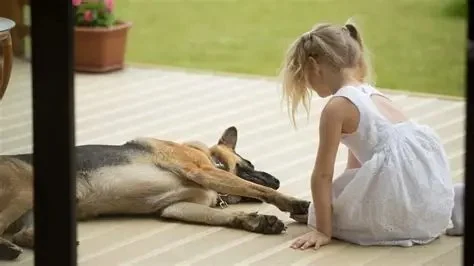
How to Teach Your Dog to Be Calm Around Kids: Practical Tips and Techniques
- 1. Understanding the Importance of Calmness Around Kids
- 2. The Role of Early Training in Dog Behavior
- 3. Teaching Your Dog Basic Commands for Calm Behavior
- 4. Using Positive Reinforcement for Success
- 5. Handling Challenges in Dog-Child Interactions
- 6. When to Seek Professional Help for Behavior Issues
1. Understanding the Importance of Calmness Around Kids
Teaching your dog to remain calm around children is crucial for creating a safe and positive environment for both your pet and your family. Dogs, especially those who are energetic or anxious, may find it difficult to adjust to the unpredictable behavior of children. By training your dog to stay calm, you can prevent accidents, minimize stress, and ensure harmonious interactions between your dog and your kids.

2. The Role of Early Training in Dog Behavior
The earlier you start training your dog, the easier it will be to teach them calmness around children. Puppies are more receptive to training and can quickly learn how to behave appropriately in various situations. However, even older dogs can learn new behaviors with patience and consistency. Early socialization with kids is key to helping your dog feel comfortable around them.
3. Teaching Your Dog Basic Commands for Calm Behavior
One of the most effective ways to teach your dog to be calm around kids is by reinforcing basic commands such as "sit," "stay," "down," and "leave it." These commands can be helpful in keeping your dog calm when kids are present. Start by practicing these commands in a quiet environment and gradually introduce distractions, including the presence of children. Use treats and praise to reward your dog for following commands correctly.
4. Using Positive Reinforcement for Success
Positive reinforcement is a powerful tool for shaping your dog’s behavior. Rewarding your dog with treats, toys, or praise when they display calm behavior around kids helps reinforce the desired action. Over time, your dog will associate being calm with receiving rewards, which will encourage them to maintain this behavior consistently. Avoid punishment-based training methods, as they can cause fear or anxiety, which may worsen the behavior.
5. Handling Challenges in Dog-Child Interactions
While training can go a long way, some dogs may still find it challenging to stay calm around children. If your dog exhibits signs of aggression or excessive excitement, it's important to manage the situation carefully. Ensure your child understands how to interact with the dog appropriately by teaching them to respect the dog's space and avoid sudden movements. Use a leash or crate to manage the dog during these interactions until they have fully mastered calmness around kids.
6. When to Seek Professional Help for Behavior Issues
If your dog continues to struggle with remaining calm around children despite consistent training, it may be time to seek the help of a professional dog trainer. A certified trainer can assess your dog’s behavior, identify underlying issues, and provide tailored strategies to improve interactions with kids. This can be especially beneficial for dogs with fear-based behavior or previous negative experiences with children.
Remember, teaching your dog to be calm around kids takes time and patience. With consistent training, positive reinforcement, and the right approach, you can foster a safe and positive relationship between your dog and your children. For more expert training advice and resources, visit Pet & Puppy to find the best products, services, and professionals to help you and your dog succeed.





 The Critter Clinic, LLC0.0 (0 reviews)
 Vetco Total Care Animal Hospital4.0 (137 reviews)
 Town & Country Veterinary Clinic4.0 (256 reviews)
 Petco4.0 (1656 reviews)
 Crosscreek Housecall4.0 (452 reviews)
 Hollywood Feed4.0 (328 reviews)
 Why Is My Dog Scooting on the Floor? Causes and Solutions Explained
 How to Teach Your Pet to Enjoy Baths & Grooming: A Complete Guide
 How Long Can Pets Go Without Water? Risks & Guidelines
 The Impact of Diet on Pet Skin & Coat Health: How Nutrition Influences Fur Quality
 How to Teach Your Dog Basic Commands in 7 Days: A Step-by-Step Guide
 Redirecting Destructive Chewing in Puppies – Effective Solutions for Pet Owners