
- 1-Understanding Dog Fear of People
- 2-Identifying Fear Signs-Body Language and Behaviors
- 3-Gradual Socialization Techniques-Steps to Build Confidence
- 4-Positive Reinforcement-Rewards and Encouragement
- 5-Safe Environment Preparation-Reducing Stress Triggers
- 6-Professional Guidance-When to Consult a Trainer or Behaviorist
- 7-Real-Life Success Stories-Cases of Overcoming Fear
- 8-Pet & Puppy Resources-Recommendations and Tools
1. Understanding Dog Fear of People
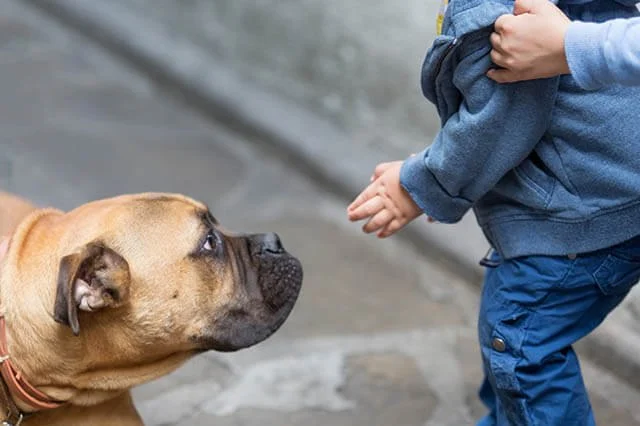
Dogs may develop fear of people due to genetics, early life experiences, traumatic encounters, or lack of socialization. Understanding the root cause of your dog’s fear is crucial before starting any intervention. Some breeds may naturally be more cautious or timid, while rescue dogs often carry previous negative experiences with humans.
Recognizing fear is the first step. Fearful dogs may appear withdrawn, avoid eye contact, cower, tremble, or even exhibit aggressive responses when stressed. A careful approach allows pet owners to respond appropriately, preventing escalation of anxiety and ensuring safety for both the dog and surrounding people.

2. Identifying Fear Signs - Body Language and Behaviors
2.1 Physical Indicators
Subtle signs such as tucked tails, flattened ears, lip licking, yawning, or avoidance behaviors are often early indicators of fear. More obvious signs include shaking, hiding, growling, or attempting to flee.

Carroll County Animal Clinic
CarrolltonCarroll CountyKentucky
20 Vincent Weaver Way, Carrollton, KY 41008, USA
2.2 Behavioral Patterns
Dogs may show fear differently depending on context. Some dogs become quiet and avoidant around strangers, while others may react defensively. Observing patterns in different environments helps owners tailor interventions effectively.
2.3 Recording Observations
Keeping a journal of behaviors, triggers, and responses allows tracking progress over time. Recording the time, place, type of interaction, and dog’s response helps identify specific patterns and facilitates professional consultations if needed.
3. Gradual Socialization Techniques - Steps to Build Confidence
3.1 Controlled Exposure
Introduce your dog to people in a controlled, calm environment. Start with familiar faces, moving gradually to less familiar individuals. Limit initial exposure duration and increase gradually to avoid overwhelming your dog.
3.2 Distance Management
Allow the dog to maintain a safe distance initially. Use a leash for control, but avoid tension that increases stress. Gradually reduce distance as comfort and trust grow.
3.3 Using Familiar Objects
Objects like favorite toys or treats can help your dog associate new people with positive experiences. Allow the dog to approach voluntarily rather than forcing interaction, reinforcing autonomy and confidence.
4. Positive Reinforcement - Rewards and Encouragement
4.1 Treat-Based Rewards
Reward calm, confident behaviors with high-value treats. For example, when the dog notices a person but remains relaxed, provide a treat to strengthen the positive association.
4.2 Verbal Praise and Petting
Calm, gentle verbal encouragement helps reassure your dog. Physical affection can be rewarding if the dog is comfortable, but always follow the dog’s cues to prevent stress escalation.
4.3 Avoiding Punishment
Never punish fearful behaviors, as this reinforces anxiety and distrust. Instead, redirect the dog gently or remove them from the stressful situation while maintaining a calm environment.
5. Safe Environment Preparation - Reducing Stress Triggers
5.1 Quiet Spaces
Create a designated safe space where the dog can retreat when anxious. This can be a crate, room, or corner with familiar bedding and toys. Ensuring access to this space helps the dog regulate stress naturally.
5.2 Controlled Social Encounters
Plan interactions during calm periods, avoiding crowded or noisy environments initially. Use calm body language yourself to model non-threatening behavior.
5.3 Consistent Routine
Dogs thrive on routine. Predictable feeding times, walks, and interaction schedules help reduce anxiety and provide a sense of security, making it easier to introduce gradual socialization efforts.
6. Professional Guidance - When to Consult a Trainer or Behaviorist
6.1 Certified Dog Trainers
Professional trainers can guide owners in structured desensitization programs. Look for positive reinforcement-focused trainers who understand canine behavior and fear management.
6.2 Veterinary Behaviorists
In cases of severe anxiety, veterinary behaviorists can evaluate if medical intervention or therapeutic techniques are necessary. They may suggest anti-anxiety supplements, behavior modification, or individualized plans for extreme cases.
6.3 Group Training and Support
Controlled group classes with experienced trainers allow dogs to socialize safely while owners receive guidance. Observing other dogs and people in structured settings can boost confidence progressively.
7. Real-Life Success Stories - Cases of Overcoming Fear
7.1 Rescue Dog Transformation
Buddy, a rescue dog from Texas, initially feared all humans due to previous abuse. Through slow desensitization, treat-based rewards, and safe environment management, Buddy gradually began approaching strangers without fear. Today, he actively enjoys walks in the park and interacts confidently with friends and family.
7.2 Shy Dog to Social Star
Luna, a timid Labrador mix, experienced anxiety around strangers. Her owner used Pet & Puppy’s recommended training tips, including positive reinforcement and gradual exposure, to build Luna’s trust. Within months, Luna could comfortably participate in community dog events, demonstrating how structured, patient efforts yield remarkable outcomes.
8. Pet & Puppy Resources - Recommendations and Tools
Pet & Puppy offers a wide selection of products to support fearful dogs, including calming treats, interactive toys, secure crates, and training guides. Their expert advice and community tips help owners implement effective strategies tailored to individual dogs. By combining gradual socialization, positive reinforcement, and safe environments, owners can help dogs overcome fear of people and thrive in social settings.
Helping a dog with fear of people is a journey of patience, understanding, and consistency. By following structured approaches, observing behavior carefully, and utilizing the right tools from Pet & Puppy, anxious dogs can develop confidence, trust, and a happier, more social life.





 Soul Puppy Holistic Healing5.0 (13 reviews)
 Petco4.0 (668 reviews)
 ArkVets4.0 (426 reviews)
 Desert View Animal Hospital4.0 (244 reviews)
 Jason's Plecos & Cichlids LLC5.0 (239 reviews)
 Chenoweth Lane Pet Clinic4.0 (62 reviews)
 Benefits of Virtual Vet Consultations: When It Makes Sense
 How to Help Dogs With Food Intolerances
 The Best Doggy Life Jackets for Water Safety
 How to Choose the Best Pet Boarding or Daycare Facility
 When Should Your Dog Have a Dental Cleaning? Risks of Neglecting Oral Health
 What Breed-Specific Health Issues You Should Be Aware Of