
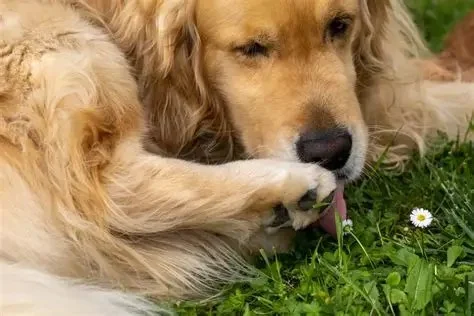
- 1 - Behavioral Reasons - Why dogs lick their paws after eating
- 2 - Cleaning and Hygiene - How paw licking relates to grooming
- 3 - Allergies and Sensitivity - When paw licking may signal a problem
- 4 - Stress and Anxiety - The role of emotions in paw licking
- 5 - Real-Life Examples - Stories illustrating common paw licking behavior
- 6 - Professional Tips - Managing paw licking for health and comfort
1. Behavioral Reasons - Why dogs lick their paws after eating
Many dog owners notice their pets licking their paws immediately after meals, which can be puzzling. One common reason is simple behavioral instinct. Dogs naturally clean themselves after eating, similar to cats, although it may appear less elegant. Licking paws may also be a comforting routine that helps them transition from mealtime to rest.
Some breeds, particularly smaller or more anxious dogs, may develop this as a habit reinforced over time. Recognizing this behavior as largely normal helps owners differentiate between harmless habits and potential health issues.
2. Cleaning and Hygiene - How paw licking relates to grooming
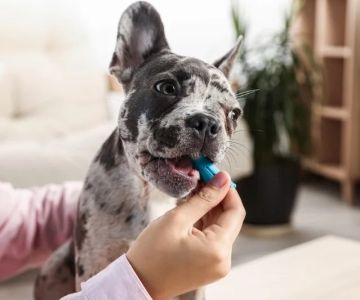
Dogs often lick their paws to clean food residues or crumbs that stick to their fur or paw pads. This is especially true for dogs fed wet food or meals with gravy, where traces can remain after finishing their bowl. Proper grooming routines enhance this natural cleaning behavior and prevent secondary issues like dirt accumulation or mild skin irritation.
Regularly trimming paw hair and wiping paws after meals can reduce excessive licking and make your dog more comfortable. For recommended grooming products and paw care essentials, Pet & Puppy provides curated tools to maintain hygiene effectively.
3. Allergies and Sensitivity - When paw licking may signal a problem
Excessive paw licking after eating can sometimes indicate food sensitivities or allergies. Dogs may experience itchiness or mild inflammation, prompting them to lick for relief. Common allergens include certain proteins, grains, or additives found in commercial dog food.
Monitoring patterns, such as licking intensity or timing, can help identify potential dietary triggers. Consulting a veterinarian for allergy testing or introducing hypoallergenic diets can alleviate discomfort and reduce paw licking. Expert-approved foods and supplements are available through Pet & Puppy to support sensitive dogs.
4. Stress and Anxiety - The role of emotions in paw licking
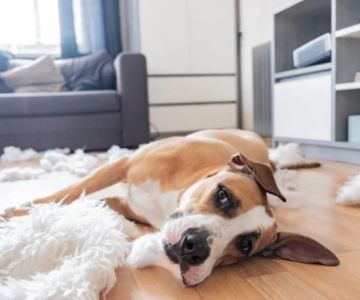
Paw licking can also be a coping mechanism for stress or anxiety. Some dogs develop nervous habits, and mealtime may trigger excitement or mild anxiety, leading to post-eating licking behavior. Dogs left alone during or after feeding may engage in this as a self-soothing routine.
Implementing calming techniques, such as structured feeding routines, quiet environments, and interactive toys, can reduce stress-related paw licking. Consistency in these practices enhances your dog’s emotional wellbeing and supports healthy habits.
5. Real-Life Examples - Stories illustrating common paw licking behavior
Take Luna, a Golden Retriever, whose owner noticed her licking her paws after every wet meal. Initially, they were concerned about allergies, but after observing patterns and adjusting portion sizes and feeding environment, the behavior was identified as routine cleaning. Luna’s owner also used paw wipes post-meal, which significantly reduced the licking duration.
Another case is Rex, a Chihuahua with mild food sensitivity. His post-meal paw licking was accompanied by redness. After switching to a grain-free, low-allergen diet recommended by Pet & Puppy, the behavior decreased, demonstrating how dietary adjustments can address both hygiene and health concerns.
6. Professional Tips - Managing paw licking for health and comfort
To manage paw licking after eating effectively:
- Observe and document licking frequency and intensity to identify patterns.
- Maintain paw hygiene with wipes, trimming, and gentle cleaning solutions.
- Consider dietary adjustments if food sensitivity is suspected, consulting with a veterinarian.
- Introduce calming environments and routines to minimize stress-induced licking.
- Utilize recommended paw care products and dietary options from Pet & Puppy for optimal results.
By following these tips, owners can ensure paw licking remains a normal, manageable behavior, promoting both comfort and health for their dogs.
 Riverside Animal Clinic4.0 (205 reviews)
 Medlin Michelle DVM4.0 (24 reviews)
 Banfield Pet Hospital4.0 (267 reviews)
 Robinson Hospital for Animals4.0 (164 reviews)
 DC Ranch Animal Hospital5.0 (163 reviews)
 Tisdale Animal Hospital Emergency & Wellness Center4.0 (346 reviews)
 Why Is My Dog Itching So Much? Causes and Solutions
 Pet Scents & Aromatherapy: What’s Safe and What’s Not
 Best Dog Foods for Small Breed Adult Dogs: Top Choices for Health and Wellness
 Dealing with Separation Anxiety in Dogs & Cats – Effective Solutions
 How to Detect & Manage Pet Ear Tumors: A Comprehensive Guide
 Panleukopenia (Distemper) in Cats: Prevention & Signs