

Pet Bedding Care: Wash, Dry, Inspect, and Replace
On this page
Pet bedding collects hair, skin oils, saliva, food crumbs, outdoor dirt, and sometimes urine, vomit, or parasites. A consistent wash, dry, and inspection routine supports comfort and makes changes easier to notice. The correct method depends on the pet, fabric, filling, removable cover, waterproof layer, and manufacturer instructions.
Bedding care does not treat a skin condition, parasite infestation, urinary problem, vomiting, or diarrhea. Contact a veterinarian about persistent odor, repeated accidents, itching, hair loss, sores, coughing, pain, or a meaningful behavior change. Follow veterinary instructions when illness, surgery, allergy, or infection affects cleaning.
Create a small care record for each bed with its purchase date, product instructions, normal location, last wash, and last inspection. This is useful in multi-pet homes because one animal may need a different material or cleaning method. It also prevents an inner insert from being returned to the wrong cover after several loads are washed. Store spare bedding clean and completely dry in between uses.

VCA Shelden Animal Hospital
LouisvilleJefferson CountyKentucky
6017 Bardstown Rd, Louisville, KY 40291, USA
Choose bedding for the pet
Select a size that lets the pet rest naturally without trapping limbs between cushions or walls. Consider species, body size, chewing behavior, mobility, temperature, continence, skin condition, and whether the pet prefers a flat mat, bolster, cave, or elevated surface.
For an older, recovering, or disabled animal, ask the veterinary team about support, pressure relief, entry height, traction, and washable protection. Avoid unstable stacks of pillows and homemade foam that breaks into pieces. A bed should not obstruct breathing or safe movement.

Warrick Veterinary Clinic Preventative Care Center
8033 Robin Hill Rd, Newburgh, IN 47630, USA
Read every care label
Locate instructions for the outer cover, inner liner, foam, fill, heating element, cooling insert, and nonslip base. Components may require different temperatures and drying methods. Save the label or photograph it before it fades.
Do not assume a removable cover means the entire bed is machine washable. Memory foam, cedar fill, electronics, waterproof coatings, and adhesives can be damaged by immersion or heat. Use only methods approved for that product.
Set up a rotation
Keep enough suitable bedding that the pet has a clean dry place while one set is washed. Label covers and inserts that belong together. A rotation prevents the temptation to return a damp bed because no alternative is available.
Choose the wash interval from actual use, odor, shedding, accidents, and veterinary guidance rather than a rigid universal schedule. Inspect daily and clean spills promptly. Record repeated contamination that may signal a health or care-plan change.
Remove hair and debris safely
Take the bed to an appropriate cleaning area and remove loose hair with a vacuum attachment, lint tool, or brush suitable for the fabric. Keep hair away from drains and machine filters. Wear gloves for bodily fluids and wash hands afterward.
Shake bedding only outdoors where debris will not affect people, neighbors, wildlife, or food areas. Do not aerosolize dried feces, rodent contamination, mold, or unknown material. Seek professional guidance for hazardous contamination.
Wash with appropriate products
Follow the care label for load size, cycle, water temperature, and detergent amount. Use a product suitable for the pet and material. More detergent can leave residue, and strong fragrances or additives may irritate some animals.
Do not mix cleaning chemicals, and never combine bleach with ammonia or acids. Rinse thoroughly. Clean the washing machine and filters as directed after heavily soiled loads, and separate pet bedding when household health needs require it.
Dry completely before use
Dry the cover, liner, and fill by the approved method. Thick foam and stuffed beds can remain damp inside after the surface feels dry. Moisture encourages odor, material breakdown, and microbial growth.
Use dryer heat only within the label limit and clean lint filters. Air-dry in a clean ventilated location protected from rain, pests, and direct heat that could warp foam. Do not return the bed until every layer is fully dry and cool.
Inspect covers, seams, and fill
After cleaning, check zippers, seams, fasteners, nonslip backing, waterproof layers, foam, and stuffing. Look for holes, loose threads, exposed zippers, sharp hardware, crumbling foam, clumped fill, and detached pieces that could be swallowed.
Small cosmetic wear may be repairable under the manufacturer's guidance. Retire a bed that cannot be secured, cleaned, or dried, or that exposes material the pet chews. Do not use pins, staples, or loose adhesive patches where the pet can reach them.
Manage accidents, parasites, and illness
Blot fresh liquid with disposable or washable material, keep other pets away, and follow the product's cleaning directions. Repeated urine, blood, vomit, or diarrhea requires veterinary advice. Preserve a photo or sample only when the veterinarian requests it.
For fleas, mites, ringworm, or another diagnosed condition, follow the veterinarian's environmental plan. Do not spray the bed with an unapproved pesticide or essential oil. Treatment must address the pet and environment safely, not only visible bedding.
Place bedding in a safe location
Put the bed on a dry, stable surface away from heaters, fireplaces, electrical cords, doors, stairs, cooking areas, and direct drafts. Keep an accessible route and allow the pet to leave. A nonslip base should remain flat.
Provide multiple resting choices when temperature or household activity changes. Do not force a pet to use a bed that smells strongly after cleaning or causes hesitation. Investigate heat, noise, location, and texture.
Know when to replace it
Replace bedding that remains odorous after correct cleaning, cannot dry fully, has damaged waterproofing, collapsed support, exposed fill, unsafe hardware, mold, chemical contamination, or a pest problem that cannot be managed safely.
Transfer familiar scent cautiously when introducing a new bed, such as placing a clean known blanket on it if safe. Supervise initial use. Retire the old bed rather than leaving two damaged options in circulation.
Pet bedding checklist
Confirm size, support, cover, label, wash method, detergent, rinse, complete drying, seam condition, foam integrity, placement, and backup bedding. Record accidents, skin changes, chewing, and veterinary cleaning instructions.
Clean pet bedding is more than a fresh-smelling cover. Every layer must be washable or maintainable, fully dry, structurally safe, and appropriate for the pet. A quick inspection at each wash turns routine laundry into a useful comfort and safety check.





 Hite, Becca Dr.5.0 (2 reviews)
 Hollywood Feed4.0 (130 reviews)
 Animal Medical Center of Springboro4.0 (306 reviews)
 VIP Petcare Vaccination Clinic0.0 (0 reviews)
 JTs Fish And Coral5.0 (11 reviews)
 Rural Animal Clinic a.k.a Dog & Cat Repair4.0 (205 reviews)
 Canine Cognitive Dysfunction: How to Recognize & Manage Pet Dementia in Dogs
 What to Know About Canine Heart Disease: Signs, Care, and Prevention
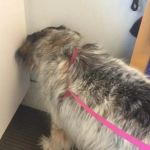 Why Do Dogs Head Press Against Walls? Understanding This Behavior
 How to Help Dogs With Sensitive Stomachs After Meals Safely and Naturally
 Best Dog Foods for Optimal Digestive Support
 Best Dog Harnesses for Adventure Activities