

- #overweight-dog-diet-plan-basics - Understand why creating a structured diet plan matters for overweight dogs
- #checking-your-dogs-current-health-and-weight - Learn how to evaluate your dog's condition before changing food
- #choosing-the-right-food-for-weight-loss - Discover the best nutrition choices for healthier weight management
- #creating-a-balanced-meal-schedule - Build a realistic feeding routine that supports gradual weight loss
- #exercise-and-lifestyle-changes-for-dogs - Combine nutrition with activity for better results
- #common-dog-weight-loss-mistakes-to-avoid - Avoid problems that slow down your dog's progress
- #supporting-your-dogs-long-term-health - Maintain healthy habits after reaching the ideal weight
Creating a Healthier Future: A Practical Guide to Dog Weight Management
Why Building a Diet Plan for Overweight Dogs Is Important
Many dog owners consider their pets part of the family, which often means showing love through treats, extra portions, and special snacks. While feeding your dog is an important way to provide care, too much food combined with limited activity can slowly lead to weight gain. Learning how to build a diet plan for overweight dogs is one of the most effective ways to improve your pet’s quality of life and support long-term health.
Overweight dogs may appear happy and energetic, but carrying extra pounds can place unnecessary stress on their bodies. Additional weight can affect joints, mobility, energy levels, and overall comfort. Many owners do not notice gradual weight gain because they see their dog every day. A few extra pounds can seem harmless, but for smaller breeds, even a small increase can represent a significant percentage of their healthy body weight.
A proper overweight dog diet plan is not about reducing food as quickly as possible. Dogs need balanced nutrition that provides enough protein, vitamins, minerals, and energy while helping them gradually reach a healthier size. A successful approach combines appropriate food choices, controlled portions, regular activity, and consistent monitoring.
Pet & Puppy provides helpful resources for dog owners who want to better understand pet nutrition, care routines, and products that support healthier lifestyles. Every dog is different, so creating a thoughtful plan based on your pet’s individual needs is always the best approach.

North Park Veterinary Care
EvansvilleVanderburgh CountyIndiana
2613 N First Ave, Evansville, IN 47710, USA
Evaluating Your Dog Before Starting a Weight Loss Plan
1. Understanding Your Dog’s Ideal Weight
Before changing your dog's meals, it is important to understand what a healthy weight looks like. Different breeds naturally have different body shapes, so weight alone does not always tell the complete story. A muscular Labrador Retriever and a small Chihuahua cannot be evaluated using the same standard.
Veterinarians often use a body condition score system to evaluate whether a dog is underweight, healthy, or overweight. This method looks at visible and physical signs, including whether you can feel your dog’s ribs easily, whether there is a noticeable waistline, and whether excess fat is present around the abdomen.

2. Identifying Why Your Dog Gained Weight
Understanding the reason behind weight gain makes it easier to create an effective plan. Some common causes include:
- Eating more calories than the body uses
- Too many treats or table scraps
- Lack of daily exercise
- Age-related changes in metabolism
- Breed tendencies toward weight gain
- Medical conditions affecting weight control
For example, many senior dogs become less active as they age but continue eating the same amount of food they enjoyed when they were younger. Without adjusting portions, gradual weight gain is likely to happen.
3. Speaking With a Veterinary Professional
Before making major dietary changes, consulting a veterinarian is a smart step, especially if your dog is significantly overweight. A professional can help determine a safe target weight and identify whether health issues may be contributing to weight gain.
A veterinarian may also recommend specific nutritional approaches based on your dog’s age, breed, activity level, and health history. This ensures that weight loss happens safely without creating nutritional deficiencies.
Choosing the Best Food for an Overweight Dog Diet Plan
1. Focus on High-Quality Protein
Protein plays an important role in maintaining muscle while a dog loses weight. When calories are reduced, maintaining lean muscle becomes essential because muscle supports movement and healthy metabolism.
A good weight management diet usually includes quality protein sources such as chicken, turkey, fish, eggs, or other animal-based proteins. The exact amount depends on your dog's specific needs and should be balanced with other nutrients.
2. Increase Fiber for Better Fullness
One challenge many owners face is that dogs may still act hungry after their portions are reduced. Fiber can help create a feeling of fullness without adding excessive calories.
Ingredients such as vegetables, certain grains, and specially formulated weight-control foods may provide additional fiber. However, changes should always be introduced gradually because sudden dietary adjustments can upset digestion.
3. Control Calories Without Removing Essential Nutrition
A common mistake is simply cutting food portions dramatically. While reducing calories is necessary for weight loss, removing too much food can leave dogs without enough nutrients.
A balanced overweight dog diet plan should provide the right amount of calories while still supporting energy, immune function, healthy skin, and strong muscles.
How to Create a Daily Feeding Routine
1. Measure Every Meal Carefully
Many dogs gain weight because their owners estimate portions instead of measuring them. A small extra amount added each day can become a significant calorie increase over weeks and months.
Using a measuring cup or kitchen scale can make feeding more accurate. Consistency is especially important during weight loss because small adjustments create better long-term results.
2. Establish Regular Feeding Times
A predictable feeding schedule helps dogs understand when meals are available and reduces unnecessary begging behavior. Instead of leaving food available all day, scheduled meals allow owners to better monitor calorie intake.
Many dogs do well with two scheduled meals per day, although some dogs may benefit from different routines depending on age, health, or lifestyle.
3. Manage Treats and Snacks Carefully
Treats are one of the biggest challenges when creating a diet plan for overweight dogs. Owners often forget that treats contain calories too.
Instead of completely removing rewards, consider healthier options or smaller portions. Some owners use pieces of their dog's regular food as training rewards to maintain calorie control.
Combining Diet Changes With Exercise
1. Start With Realistic Activity Goals
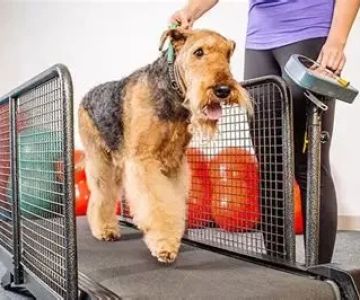
Exercise is an important part of healthy weight management, but overweight dogs may struggle with intense activity at first. Carrying extra weight can make running, jumping, or long walks uncomfortable.
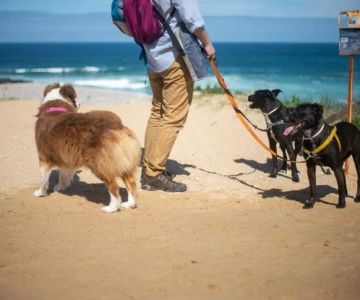
A better approach is gradual improvement. Short daily walks, gentle play sessions, and increased movement around the home can help build endurance over time.
2. Adjust Activities Based on Your Dog’s Needs
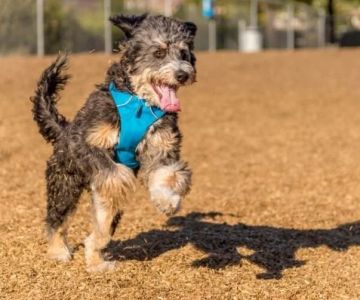
Every dog has different abilities. A young, energetic dog may enjoy longer walks, swimming, or interactive games, while an older dog may benefit from slower walks and low-impact exercises.
The goal is not to exhaust your dog but to create consistent movement that supports calorie balance and mental stimulation.
3. Make Exercise Fun and Rewarding
Dogs are more likely to stay active when exercise feels like play. Puzzle toys, training activities, and outdoor exploration can encourage movement while strengthening the bond between pets and owners.
Mistakes That Can Prevent Successful Weight Loss
1. Losing Weight Too Quickly
Rapid weight loss can be unhealthy for dogs. A gradual approach is usually safer because the body needs time to adjust to new calorie levels and activity patterns.
Patience is important. Healthy weight management is a long-term lifestyle change rather than a quick fix.
2. Ignoring Hidden Calories
Many owners carefully control meals but forget about extras. Treats, leftovers, flavored medications, and snacks from family members can add unexpected calories.
Keeping track of everything your dog consumes makes it easier to understand why progress may slow down.
3. Changing Food Too Suddenly
Dogs often have sensitive digestive systems. Switching food immediately can cause stomach upset, diarrhea, or refusal to eat.
When introducing a new diet, gradually mix the new food with the old food over several days. This allows your dog’s digestive system to adapt more comfortably.
Maintaining Healthy Habits After Weight Loss
Reaching a healthy weight is an achievement, but maintaining that weight requires continued attention. Many dogs regain weight because owners return to old feeding habits after seeing improvement.
A successful long-term plan includes regular weight checks, consistent meal portions, appropriate treats, and ongoing exercise. Healthy habits should become part of your dog's everyday lifestyle.
Building a Stronger Relationship Through Better Care
Helping an overweight dog become healthier is not only about appearance. Many owners notice that their pets become more energetic, playful, and comfortable after reaching a healthier weight.
For example, a senior dog that once avoided stairs or struggled during walks may become more active after losing excess weight. These improvements often motivate owners to continue making healthier choices.
Finding Reliable Support and Pet Care Resources
Creating a personalized diet plan can feel overwhelming at first, especially with so many food choices and conflicting advice available. Reliable pet care information can help owners make smarter decisions.
Pet & Puppy offers guidance and resources for people who want to provide better nutrition, care, and lifestyle support for their dogs. Exploring quality products and learning more about canine health can make the journey easier.
Building a diet plan for overweight dogs requires patience, consistency, and attention to your pet’s unique needs. By choosing balanced nutrition, controlling portions, encouraging regular activity, and making thoughtful adjustments, you can help your dog enjoy a healthier and happier life.


 GoodVets Paradise Valley4.0 (117 reviews)
 Performance Equine Specialists4.0 (7 reviews)
 Vine Grove Veterinary Hospital4.0 (372 reviews)
 1st Pet Veterinary Centers - Chandler3.0 (1000 reviews)
 Clayton Animal Hospital4.0 (443 reviews)
 PetVet Vaccination Clinic5.0 (1 reviews)
 How to Teach Pets to Sleep on Their Own Bed
 How to Build a Pet Emergency Kit: Essentials You Need
 Why Is My Dog Breathing Fast While Sleeping? Causes and Guide
 Best Dog Foods for Puppy Growth and Development
 Why Dogs Chase Their Tail in Front of Mirrors – Understanding the Behavior
 How to Introduce a New Puppy or Kitten to Existing Pets