
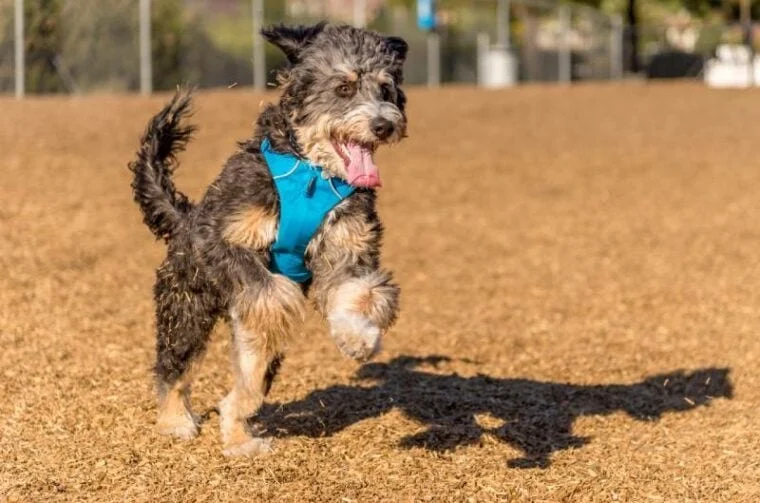
- why-do-dogs-chase-shadows-at-home
- natural-instincts-behind-shadow-chasing
- common-reasons-dogs-chase-shadows
- when-shadow-chasing-becomes-a-problem
- how-to-help-dogs-stop-chasing-shadows
- creating-a-healthier-home-environment
- professional-pet-care-tips-for-shadow-chasing
Understanding Why Dogs Chase Shadows and How to Manage This Behavior
Why Do Dogs Chase Shadows at Home?
Many dog owners have experienced the same surprising moment: their dog suddenly notices a moving shadow on the floor, wall, or furniture and begins chasing it around the house. The behavior can look funny at first, but many pet parents eventually start asking, “Why do dogs chase shadows at home?” Understanding the reason behind this habit can help owners respond properly and support their dog’s emotional and physical needs.
Dogs are naturally curious animals with strong hunting instincts. A moving shadow can trigger the same reaction as a small animal running across the yard. Because shadows move unpredictably and disappear quickly, they can become extremely interesting to dogs that enjoy tracking motion.
For some dogs, shadow chasing is simply an entertaining game. For others, it may develop because of boredom, stress, anxiety, or an excessive need for stimulation. Learning the difference between normal playful behavior and a compulsive habit is an important part of responsible pet ownership.
At Pet & Puppy, pet owners can explore helpful resources and suitable products designed to support healthier routines, mental stimulation, and overall canine well-being.

Derby City’s Crossroads Animal Hospital
LouisvilleJefferson CountyKentucky
4210 Poplar Level Rd, Louisville, KY 40213, USA
1. Natural Instincts Behind Shadow Chasing
The Hunting Instinct Makes Moving Objects Exciting
Dogs evolved from predators that depended on movement detection for survival. Their ancestors needed to notice the smallest movements from prey, whether it was a bird flying through the air or a small animal moving through grass.
Although modern dogs live comfortably inside homes, those instincts remain. A shadow moving across the wall may activate the same chase response that a squirrel or rabbit would create outdoors.
Breeds with strong prey drives may be especially interested in chasing shadows. Herding breeds, working dogs, and highly energetic breeds often respond strongly to movement because they were historically bred to observe and react quickly.

Visual Stimulation Creates Mental Excitement
A shadow is unusual because it behaves differently from normal objects. It has no smell, no physical shape that a dog can grab, and no predictable movement pattern. This mystery can make it fascinating.
Dogs learn through interaction. When they chase a shadow and the shadow moves away, their brain may interpret the experience as a successful chase. Even though they never catch the shadow, the activity itself can release excitement and create a rewarding experience.
Young Dogs Often Explore Through Movement
Puppies are naturally more likely to chase shadows because they are still learning about the world around them. Similar to children discovering new things, puppies investigate unfamiliar sights through play.
A puppy chasing reflections from windows or shadows from moving objects is usually not a concern. However, owners should still provide balanced activities so the behavior does not become the only form of entertainment.
2. Common Reasons Dogs Chase Shadows
1. Boredom and Lack of Daily Stimulation
One of the most common reasons dogs chase shadows is simple boredom. Dogs need more than food, water, and a comfortable place to sleep. They also need mental challenges, exercise, and interaction.
A dog that spends many hours alone indoors may search for entertainment. A moving shadow can become an easy source of stimulation, especially when there are limited toys or activities available.
For example, a high-energy dog that does not receive enough walks may begin watching sunlight patterns on the floor every afternoon. Over time, the dog may start waiting for that moment because it has become a predictable source of excitement.
2. Natural Curiosity About Unusual Objects
Dogs investigate things that seem different from their normal environment. A shadow does not smell like a toy, sound like a person, or feel like furniture. This unusual combination encourages exploration.
Some dogs simply enjoy testing what happens when they move toward the shadow. They may jump, bark, paw at the floor, or run in circles because the experience feels interactive.
3. Stress and Anxiety Responses
Sometimes shadow chasing is connected to emotional stress. Dogs experiencing anxiety may develop repetitive behaviors as a way to release nervous energy.
Changes such as moving to a new home, changes in family routines, loud environments, or long periods alone can affect a dog’s behavior. A dog may focus intensely on shadows because it provides a predictable activity during uncertain situations.
4. Attention-Seeking Behavior
Dogs quickly learn which behaviors receive attention. If a dog chases shadows and the owner laughs, talks excitedly, or immediately reacts, the dog may repeat the behavior because it receives a reward.
This does not mean owners should ignore their pets completely. Instead, they should redirect attention toward healthier activities such as training games, toys, or interactive play.
3. When Shadow Chasing Becomes a Problem
Occasional Play Is Usually Normal
A dog occasionally chasing a shadow is generally harmless. Many dogs enjoy random bursts of curiosity, especially when sunlight creates interesting patterns inside the home.
If your dog can easily stop chasing shadows when called, continues normal eating and sleeping habits, and enjoys other activities, the behavior is usually just part of its personality.
Signs of Compulsive Shadow Chasing
The behavior may require attention when it becomes repetitive and difficult for the dog to control. Warning signs may include:
- Spending long periods searching for shadows
- Ignoring food, toys, or people while chasing shadows
- Becoming frustrated when shadows disappear
- Barking or whining excessively at reflections
- Showing signs of anxiety when unable to chase shadows
Compulsive behaviors can affect a dog's quality of life. A dog that constantly searches for shadows may miss opportunities for rest, social interaction, and normal play.
A Real-Life Example From Dog Owners
Many pet owners have shared stories about dogs becoming fascinated with sunlight reflections from mirrors, phones, or windows. One common example involves dogs that begin chasing small light patterns created by watches or screens.
In many cases, owners discover that increasing daily exercise and introducing puzzle toys reduces the behavior. The dog was not “misbehaving”; it was simply looking for a way to use its energy.
4. How to Help Dogs Stop Chasing Shadows
1. Increase Physical Exercise
A tired dog is often a calmer dog. Regular walks, outdoor exploration, and active games help reduce extra energy that may otherwise turn into repetitive behaviors.
The right amount of exercise depends on your dog's age, breed, health, and personality. A young working breed may need significantly more activity than an older companion dog.
2. Provide Mental Challenges
Mental stimulation is just as important as physical exercise. Dogs enjoy activities that require problem-solving, such as puzzle feeders, scent games, and training exercises.
Teaching new commands or practicing old skills gives dogs a healthy way to focus their attention. Instead of searching for shadows, they learn that interacting with their owner brings rewards.
3. Avoid Encouraging the Behavior
Owners should avoid intentionally creating shadow games with flashlights or reflections. While it may seem entertaining at first, it can strengthen the habit.
If your dog begins chasing shadows, calmly redirect attention toward another activity instead of becoming excited about the chase.
4. Use Positive Reinforcement Training
Positive reinforcement is one of the most effective ways to change unwanted behaviors. Reward your dog when it chooses another activity, such as looking at you, playing with a toy, or relaxing calmly.
Punishment is usually not helpful because the dog may not understand why the behavior is discouraged. Instead, focus on teaching what behavior you want to see.
5. Creating a Healthier Home Environment
Reduce Unnecessary Triggers
If your dog constantly reacts to shadows created by windows or reflective surfaces, adjusting the environment may help. Simple changes like closing blinds during certain hours or moving reflective objects can reduce temptation.
The goal is not to remove every interesting thing from your dog's environment. Dogs need curiosity and exploration. The goal is creating balance.
Create a Daily Routine
Dogs feel more secure when they understand what to expect. Regular feeding times, walks, play sessions, and rest periods create stability.
A predictable routine can reduce anxiety-related behaviors because the dog learns that important needs will be met consistently.
Encourage Calm Behavior
Many owners focus only on stopping unwanted actions. However, rewarding calm behavior is equally important.
When your dog lies quietly, relaxes on its bed, or chooses a toy instead of chasing shadows, offer praise. Over time, calm choices become more natural.
6. Professional Pet Care Tips for Long-Term Support
Understand Your Dog’s Individual Personality
Every dog is different. Some dogs naturally notice movement more than others. A behavior that is normal for one dog may indicate stress in another.
Pay attention to your dog's overall behavior, including appetite, sleep, social interaction, and energy levels.
Know When to Seek Expert Guidance
If shadow chasing becomes intense or interferes with daily life, consulting a veterinarian or professional dog behavior specialist can provide valuable guidance.
Professional advice can help identify whether the behavior is caused by anxiety, environmental factors, or another underlying issue.
Support Your Dog With Better Tools and Resources
Providing your dog with appropriate toys, training resources, and wellness products can make a major difference. Pet & Puppy offers helpful options for owners who want to improve their dogs’ routines and create a more balanced home environment.
Helping Dogs Build Better Habits Through Understanding
Understanding why dogs chase shadows at home is the first step toward helping them develop healthier behaviors. In many cases, shadow chasing is simply a result of curiosity, energy, or instinct. With proper exercise, mental stimulation, and positive training, most dogs can learn to focus their attention on more rewarding activities.
Your dog is not chasing shadows because it is being difficult. It is responding to something interesting in its environment. By recognizing your dog's needs and providing the right support, you can strengthen your bond and improve your pet's everyday happiness.
Explore more pet care solutions, training resources, and products from Pet & Puppy to help your dog enjoy a healthier, more balanced lifestyle.



 Petco4.0 (1724 reviews)
 Miamitown Pet Hospital4.0 (691 reviews)
 Pfister Animal Hospital4.0 (269 reviews)
 McCaw Veterinary Associates4.0 (264 reviews)
 Dermatology for Animals - Queen Creek5.0 (1 reviews)
 Parrots As Pets5.0 (1 reviews)
 How to Help a Dog With Constipation Issues: Effective Tips for Dog Owners
 Socializing Your Dog: When, How & Why It Matters - Pet & Puppy
 What to Know About Canine Pancreatitis and Care Tips
 Best Dog Harnesses for Adventure Activities
 How to Help a Dog With Sensitive Ears: Care Tips Every Owner Should Know
 Choosing Wet vs Dry Food: When Each Is Best