
- understanding dog heat risks - why hot weather can be dangerous
- signs of overheating in dogs - symptoms every owner should recognize
- keeping dogs cool outdoors - safe summer activities and precautions
- hydration and summer dog care - preventing dehydration during heat
- protecting dog paws from hot surfaces - avoiding summer pavement injuries
- special dogs that need extra care - breeds and health conditions
- creating safe summer routine for dogs - long-term protection strategies
Smart Summer Tips Every Dog Owner Needs to Know for Hot Days
Understanding Dog Heat Risks During Hot Weather
When summer temperatures rise, many dog owners enjoy spending more time outside with their pets. Walks, backyard play, beach trips, and outdoor adventures can create wonderful memories, but hot weather also creates serious risks for dogs. Knowing How to Keep Your Dog Safe in Hot Weather is one of the most important responsibilities a pet owner can learn.
Dogs experience heat differently from humans. While people regulate body temperature mainly through sweating, dogs rely heavily on panting and limited sweating through their paw pads. This means they can become overheated much faster, especially during extreme temperatures or when exposed to direct sunlight.
A warm afternoon that feels comfortable to a person may become dangerous for a dog. Factors such as humidity, coat thickness, body size, age, and activity level all affect how quickly a dog can develop heat-related problems.
Why Dogs Are More Vulnerable to Heat
A dog's normal body temperature is higher than a human's, usually around 101°F to 102.5°F. Because they already operate at a warmer temperature, dogs have less room to handle additional heat before their bodies become stressed.
Panting helps dogs release heat, but this method becomes less effective when temperatures are very high or when humidity prevents moisture from evaporating efficiently. As a result, a dog may continue becoming hotter even while trying to cool down naturally.
This is why responsible summer pet care requires more than simply providing shade. Owners need to actively manage their dog's environment, activity level, and access to water.
Signs of Overheating in Dogs Every Owner Should Recognize
One of the most important parts of keeping dogs safe during hot weather is learning how to identify early warning signs. Heat-related illnesses can progress quickly, and early action can make a major difference.
1. Excessive Panting and Breathing Changes
Panting is normal after exercise, but heavy, continuous panting can indicate that a dog is struggling to regulate body temperature. If your dog continues panting heavily even after resting in a cooler area, it may be a sign that something is wrong.
Owners should pay attention to changes in breathing patterns, especially if panting becomes unusually intense or appears alongside other symptoms.
2. Lethargy and Weakness
A dog experiencing heat stress may suddenly become tired, slow, or unwilling to move. A normally energetic dog that loses interest in playing or walking may be showing signs of overheating.
For example, a Labrador named Max became unusually tired during a family barbecue on a hot summer afternoon. His owners initially thought he was simply resting after playing, but they noticed his heavy breathing and moved him indoors immediately. After cooling down with water and rest, Max recovered. The situation reminded them that dogs may not always show obvious distress until they are already struggling.
3. Drooling, Vomiting, or Confusion
Excessive drooling, vomiting, loss of coordination, or confusion are more serious warning signs. These symptoms may indicate advanced heat stress and require immediate attention.
If a dog appears disoriented or collapses, owners should treat it as an emergency and seek veterinary assistance as quickly as possible.
Keeping Dogs Cool Outdoors During Summer Activities
Many dogs love outdoor activities, and summer does not mean they must stay inside all season. The key is creating safer outdoor experiences by planning around temperature, timing, and your dog's individual needs.
Choose the Right Time for Walks
One of the easiest ways to protect dogs from heat is adjusting walking schedules. Early mornings and evenings are usually safer because temperatures are lower and surfaces are less likely to become dangerously hot.
Midday walks during peak heat can place unnecessary stress on a dog's body. Even dogs that appear energetic may struggle when exposed to direct sun for extended periods.
Create Shaded Outdoor Spaces
If your dog spends time outside, provide a comfortable shaded area where they can escape direct sunlight. Trees, covered patios, and outdoor shelters can help reduce heat exposure.
However, shade alone does not eliminate heat risk. Outdoor temperatures can remain high even in shaded areas, especially during heat waves. Fresh water and regular monitoring are still essential.
Use Cooling Products Wisely
Cooling mats, water bowls, and pet-safe cooling accessories can help dogs stay comfortable during hot months. Pet owners looking for reliable summer care products can explore options from Pet & Puppy to find suitable supplies designed for everyday pet wellness.
Hydration and Summer Dog Care for Hot Days
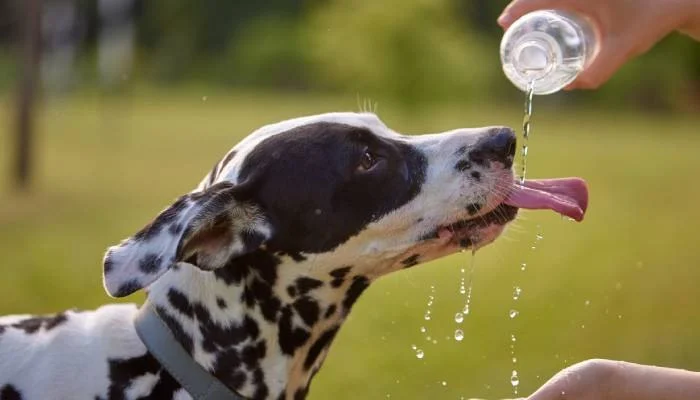
Water is one of the simplest and most effective tools for protecting dogs during hot weather. Dehydration can happen quickly, especially when dogs are active outdoors.
Always Provide Fresh Water
Dogs should have constant access to clean, fresh water during warm weather. Outdoor water bowls should be checked frequently because water can become warm, dirty, or empty faster than expected.
During longer outings, bring portable water containers designed for pets. This is especially important for hiking, road trips, and outdoor events.
Understand Dehydration Warning Signs
Common signs of dehydration include dry gums, excessive panting, tiredness, and reduced skin elasticity. While mild dehydration may improve with water and rest, severe dehydration requires veterinary care.
A simple habit that helps many owners is checking water availability before leaving home. Small preparation steps can prevent serious problems later.
Protecting Dog Paws From Hot Pavement and Surfaces
Many dog owners focus on air temperature but forget about ground temperature. Pavement, asphalt, sand, and concrete can become extremely hot under direct sunlight.
The Pavement Temperature Problem
A sidewalk that feels manageable to a person wearing shoes can burn a dog's sensitive paw pads. Dogs walk directly on these surfaces, making their paws vulnerable to burns and irritation.
A useful test is placing the back of your hand against the pavement for several seconds. If it feels too hot for your skin, it may also be unsafe for your dog.
Alternative Walking Surfaces
Grass, shaded paths, and cooler trails are better choices during summer. When walking on hot days, shorter routes and slower pacing can help reduce risk.
Dogs That Need Extra Protection in Hot Weather
Not every dog handles heat the same way. Some dogs require additional precautions because of their breed, size, age, or medical condition.
Flat-Faced Breeds
Breeds with short noses, such as Bulldogs, Pugs, and other brachycephalic dogs, often have more difficulty cooling themselves through panting. Their airway structure can make hot weather especially challenging.
Older Dogs and Puppies
Senior dogs may have reduced ability to regulate temperature, while puppies may not yet have fully developed heat tolerance. Both groups require closer supervision during warm conditions.
Dogs With Thick Coats
Dogs with heavy double coats may feel uncomfortable during summer, but shaving them is not always the best solution. Their coats often provide insulation against both heat and sunlight.
Regular brushing helps remove loose fur and improves airflow without removing natural protection.
Creating a Safe Summer Routine for Dogs
The best way to protect your dog during hot weather is developing consistent habits. Safety does not depend on one action but on a complete approach to summer care.
Plan Before Outdoor Adventures
Before heading outside, consider the temperature, activity level, and your dog's health. A short walk in comfortable conditions may be perfectly safe, while intense exercise during extreme heat may be dangerous.
Never Leave Dogs in Hot Cars
A parked vehicle can become dangerously hot within minutes, even with windows slightly open. Leaving a dog inside a vehicle during warm weather can create a life-threatening situation.
Monitor Your Dog's Behavior
Every dog communicates differently. Some will naturally slow down when uncomfortable, while others continue playing despite overheating. Owners should watch for changes and encourage breaks before problems occur.
Building Better Summer Habits for Your Pet's Health
Keeping your dog safe in hot weather is about understanding your pet and making thoughtful choices. Simple actions like providing fresh water, avoiding peak heat, protecting paws, and recognizing warning signs can dramatically improve your dog's comfort and safety.
Summer should be a season of fun, exploration, and bonding with your pet. With the right preparation and quality care products, you can create safer adventures while helping your dog enjoy warmer months comfortably.
Whether you need cooling accessories, daily care supplies, or helpful pet wellness resources, Pet & Puppy provides options to support responsible dog ownership. Explore trusted solutions and learn more about protecting your companion during hot weather so your dog can stay happy, healthy, and comfortable all summer long.



 Animal Hospital of Delhi Hills4.0 (134 reviews)
 Hurstbourne Animal Hospital4.0 (848 reviews)
 Schure Adam C DVM5.0 (4 reviews)
 Goose Creek Animal Clinic: Watson Ray DVM5.0 (4 reviews)
 Crestwood Animal Hospital4.0 (573 reviews)
 Woodstock Spay & Neuter Clinic4.0 (598 reviews)
 How to Choose the Best Rental Car for a Ski Resort Vacation in the U.S.
 Best Canine Probiotics for a Healthy Gut
 Best Dog Food for Puppies with Sensitive Tummies: Top Choices and Tips
 How to Help Dogs With Hot Spot Inflammation Naturally and Safely
 The Hidden Dangers in Common Pet Supplies: What You Need to Know
 How to Vet a New Pet Food Brand: 10 Warning Flags