
Vet Tips for Preventing Puppy Ear Infections
Ear infections are a common issue for puppies, and if left untreated, they can cause significant discomfort and potential long-term damage. Fortunately, preventing ear infections is possible with the right knowledge and care. This article shares expert vet tips on how to keep your puppy's ears healthy, prevent infections, and recognize signs of ear issues early on.
- Understanding Puppy Ear Infections
- Signs of Ear Infections in Puppies
- How to Clean Your Puppy's Ears
- Common Causes of Ear Infections in Puppies
- When to Visit the Vet for Ear Issues
1. Understanding Puppy Ear Infections
Puppies are particularly susceptible to ear infections due to their developing immune systems and their tendency to explore their surroundings. An ear infection occurs when bacteria, yeast, or other microorganisms invade the ear canal, leading to inflammation, discomfort, and potential hearing loss. Early detection and proper prevention methods are key to avoiding painful and costly treatments.

All Creatures Animal Hospital: Corman Cameron DVM
8451 Beechmont Ave, Cincinnati, OH 45255, USA
1.1 Why Are Puppies More Vulnerable?
Young puppies have softer and more sensitive skin inside their ears, which makes them more prone to infections. Additionally, they may not yet be accustomed to good ear hygiene, increasing the chances of moisture and bacteria buildup.
2. Signs of Ear Infections in Puppies
Recognizing the symptoms of an ear infection in your puppy is crucial for early intervention. Here are the most common signs to watch for:
2.1 Scratching or Rubbing the Ears
If your puppy is frequently scratching or rubbing its ears, it could indicate an infection. They may also tilt their head to one side or shake it excessively in an attempt to relieve discomfort.
2.2 Discharge or Odor
One of the telltale signs of an ear infection is a dark, waxy discharge or a foul smell coming from the ears. This can be an indication of bacteria or yeast buildup inside the ear canal.
2.3 Redness and Swelling
Red or swollen ears are a clear sign of inflammation. If your puppy's ears appear inflamed or painful to the touch, it’s time to consult a vet for further examination.
3. How to Clean Your Puppy's Ears
Regular ear cleaning is essential for preventing infections in puppies. Here are the steps to follow when cleaning your puppy's ears:
3.1 Choose the Right Ear Cleaning Solution
Always use a vet-approved ear cleaning solution designed for dogs. Avoid using cotton swabs, as they can push debris further into the ear canal and potentially cause injury.
3.2 How to Clean the Ears Safely
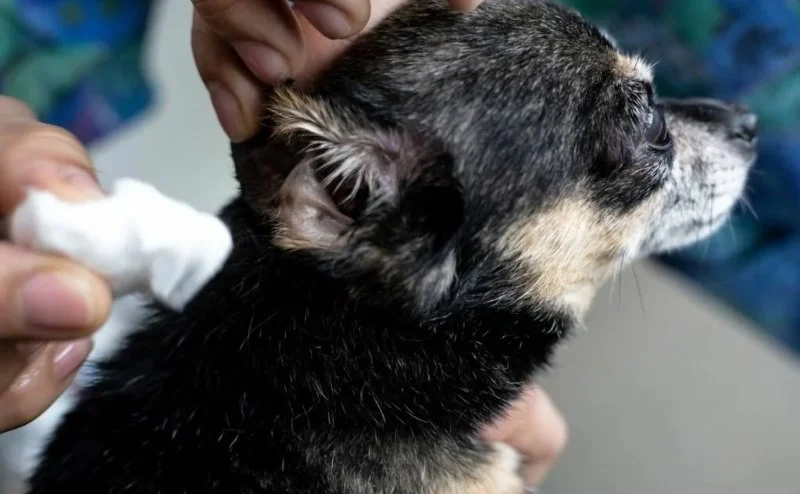
Gently hold your puppy’s ear flap and apply the cleaning solution into the ear canal. Massage the base of the ear to loosen any debris. Let your puppy shake its head, and then use a clean cloth or cotton ball to wipe away the excess solution and debris.
3.3 Frequency of Ear Cleaning
Depending on your puppy's breed and ear type, you may need to clean their ears weekly or monthly. Dogs with floppy ears or those prone to ear infections might need more frequent cleanings.
4. Common Causes of Ear Infections in Puppies
Several factors contribute to ear infections in puppies. Understanding these can help you better prevent them:
4.1 Moisture
Moisture trapped in the ear canal is a major contributor to ear infections. This can be caused by baths, swimming, or even humidity. Make sure to dry your puppy's ears thoroughly after these activities.
4.2 Allergies
Allergies, whether food-related or environmental, can cause inflammation in the ears and increase the likelihood of infections. If your puppy has allergies, consult your vet for appropriate treatment options.
4.3 Foreign Objects
Sometimes, debris like grass, dirt, or even small twigs can get lodged in your puppy's ears, leading to irritation and infection. Regular checks can help prevent this.
5. When to Visit the Vet for Ear Issues
If you notice any of the signs of ear infections or if your puppy’s ear condition worsens despite home care, it’s time to consult a vet. Delaying treatment can lead to more severe infections, which may require antibiotics or even surgery.
5.1 Professional Diagnosis and Treatment
A vet can provide a thorough examination of your puppy's ears and determine the best course of action for treatment. If your puppy has an infection, they may prescribe medication or recommend ear drops to relieve the symptoms.
5.2 Preventative Care
Regular vet visits are essential for keeping your puppy’s ears healthy. Your vet can advise on the best cleaning routines, diet changes, or medications if necessary to prevent ear infections from occurring in the future.
For more information on how to care for your puppy’s ears, visit Pet & Puppy for expert advice and the best products to keep your furry friend’s ears clean and infection-free.




 Sun Valley Hope Animal Hospital4.0 (1205 reviews)
 Creature Comforts Veterinary4.0 (139 reviews)
 Dr. Kelly's Surgical Unit - West Mesa5.0 (1 reviews)
 PetVet365 Pet Hospital Louisville/Anchorage4.0 (224 reviews)
 CareVet of Middletown4.0 (985 reviews)
 AxisVet, Inc.5.0 (1 reviews)
 How to Help a Pregnant Dog: Care Tips and Nutrition
 How Climate Change Is Affecting Pet Health Today
 How to Teach Your Dog Advanced Tricks: A Step-by-Step Guide
 How to Calm a Nervous Pet During a Thunderstorm or Fireworks – Expert Tips
 Why People Regret Delaying Pet Dental Care: The Importance of Early Action
 Crate Training 101: Simple Steps for Stress-Free Success