
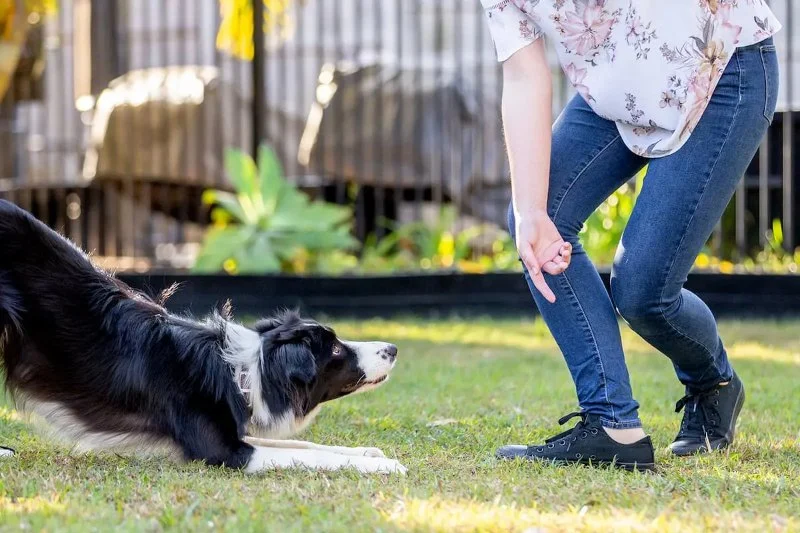
- 1 - Why Train Your Dog in Advanced Tricks?
- 2 - Preparing for Advanced Dog Tricks
- 3 - Step-by-Step Guide to Teaching Advanced Dog Tricks
- 4 - Common Mistakes to Avoid During Dog Training
- 5 - The Importance of Rewards and Patience in Dog Training
1. Why Train Your Dog in Advanced Tricks?
Teaching your dog advanced tricks isn’t just about impressing your friends or showing off your dog’s skills. It’s about strengthening the bond between you and your dog, improving their mental stimulation, and creating an enjoyable experience for both of you. Here are a few reasons why advanced dog training is beneficial:

Brighton Animal Clinic
LexingtonFayette CountyKentucky
1875 Pleasant Ridge Dr, Lexington, KY 40509, USA
1.1. Mental Stimulation
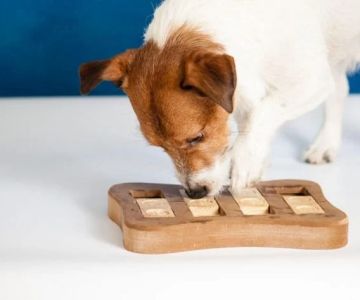
Just like humans, dogs thrive on mental stimulation. Learning new tricks challenges your dog’s brain, helping them stay sharp and engaged. It prevents boredom and encourages them to think critically.

Combs Veterinary Rehab Middletown, OH
3615A Grand Ave, Middletown, OH 45044, USA
1.2. Strengthening the Bond
Training your dog in advanced tricks fosters a deeper connection between you and your dog. The positive reinforcement techniques build trust and understanding, which is essential for a happy, well-behaved dog.
1.3. Building Confidence
When your dog successfully learns a new trick, it boosts their confidence. Dogs that are confident are typically more well-behaved and less anxious in new situations, making advanced trick training an important part of their development.
2. Preparing for Advanced Dog Tricks
Before you begin teaching advanced tricks to your dog, it’s important to lay the groundwork with basic training and ensure you have the right tools. Here’s what you need to prepare:
2.1. Basic Training First
Before teaching advanced tricks, your dog should have a solid understanding of basic commands like “sit,” “stay,” and “come.” These fundamental commands provide the foundation for more complex tricks. If your dog hasn’t mastered basic obedience, it’s best to start with those first.
2.2. Choose the Right Environment
Pick a quiet, distraction-free area for training sessions. This helps your dog focus on the task at hand. As they get better at the trick, you can gradually introduce distractions to make the training more challenging.
2.3. Gather Training Tools
Essential training tools include treats, a clicker (for clicker training), and a leash. Treats should be small, soft, and highly motivating for your dog. A clicker is a great way to mark the exact moment your dog performs the desired action, helping them associate the behavior with the reward.
3. Step-by-Step Guide to Teaching Advanced Dog Tricks
Now that you’ve prepared, it’s time to dive into the process of teaching advanced tricks. Here are a few advanced tricks and how to train them:
3.1. Roll Over
“Roll over” is a fun and impressive trick. To teach it, start by getting your dog to lie down. Gently guide them to roll over with a treat. Once they start to move, reward them with a treat and praise. Practice repeatedly until your dog can roll over without assistance.
3.2. Play Dead (Bang!)
The “play dead” trick is not only entertaining but also a fun challenge. Start by teaching your dog to lie down and then gently roll them onto their side. Use a treat to guide them into position and reward them once they stay there. With time, they will learn to fall limp on cue.
3.3. Speak (Bark on Command)
Teaching your dog to bark on command is a great trick for dog lovers. Begin by getting your dog to bark naturally (often through excitement or at the doorbell). When they bark, say the word “speak” and reward them with treats. Eventually, they will learn to associate the command with the action.
4. Common Mistakes to Avoid During Dog Training
While teaching advanced tricks can be fun, it’s important to avoid common mistakes that can hinder your dog’s progress. Here are some key pitfalls to watch out for:
4.1. Lack of Consistency
Consistency is key when training your dog. Always use the same command for the trick and ensure that everyone in your household is on the same page. This will help your dog learn faster and avoid confusion.
4.2. Pushing Too Hard
Don’t rush the process. If your dog isn’t getting a trick, it’s important to break it down into smaller steps and give them time to master each part. Pushing them too hard can lead to frustration and slow progress.
4.3. Inadequate Rewards
Make sure you’re offering rewards that motivate your dog. Some dogs prefer treats, while others might respond better to praise or playtime. Find what works best for your dog and use that as a reward for successful behavior.
5. The Importance of Rewards and Patience in Dog Training
Training your dog requires patience, consistency, and positive reinforcement. Here's why these elements are crucial for successful training:
5.1. Using Positive Reinforcement
Positive reinforcement, such as giving treats, praise, or playtime when your dog performs the correct action, encourages them to repeat the behavior. This method helps build trust between you and your dog, making training a positive experience.
5.2. Patience in Progress
Not all dogs will pick up advanced tricks quickly, and that’s okay. Patience is essential for both you and your dog. Keep training sessions short and fun, and remember that dogs learn at their own pace.
5.3. Celebrating Success
Once your dog masters an advanced trick, take time to celebrate their success. Whether it’s a special treat or extra playtime, acknowledging your dog’s progress will keep them motivated and eager to learn more.



 Schroyer Butch DVM3.0 (8 reviews)
 Aquarium Guy LLC4.0 (43 reviews)
 South Anderson Veterinary Clinic4.0 (481 reviews)
 Paw Print Animal Hospital4.0 (81 reviews)
 Bright Veterinary Clinic4.0 (363 reviews)
 Cummins John R DVM4.0 (10 reviews)
 Cat Hairballs: How to Prevent and Manage Them Effectively
 Choosing Wet vs Dry Food: When Each Is Best
 How to Create a Yearly Wellness Plan for Your Pet
 Dehydration in Pets: Signs, Causes & Remedies
 How to Vet & Interview a Prospective Veterinarian: A Complete Guide for Pet Owners
 Using Positive Reinforcement vs Punishment in Pet Training: What You Need to Know