
Why Do Dogs Groom Themselves After Eating? Understanding the Behavior
- 1. Introduction: The Mystery of Post-Eating Grooming
- 2. Common Reasons Why Dogs Groom After Eating
- 3. Is Grooming After Eating Healthy?
- 4. When Should You Be Concerned About Your Dog’s Grooming Behavior?
- 5. How to Manage Excessive Grooming in Dogs
1. Introduction: The Mystery of Post-Eating Grooming
If you've ever noticed your dog grooming itself after eating, you're not alone. Many pet owners observe this behavior, but few fully understand why it happens. Whether it’s licking their paws or cleaning their face, post-meal grooming is a common habit in dogs. But what does it really mean? Is it just a natural instinct, or is there more to it?
2. Common Reasons Why Dogs Groom After Eating
There are several potential reasons why dogs engage in grooming after meals. Some of these reasons are perfectly normal, while others might suggest an underlying issue. Let’s explore the most common explanations:
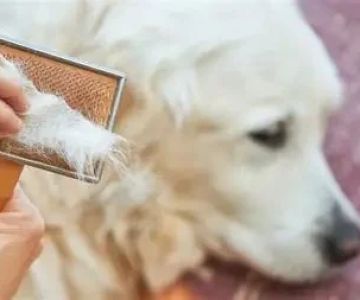
- Natural Cleaning Habit: Dogs are inherently clean animals, and grooming is part of their natural routine. After eating, they may lick their mouths or paws to clean up any food remnants, much like how they would groom themselves after any physical activity.
- Instinctive Behavior: In the wild, dogs would often groom themselves after eating to eliminate traces of food that might attract predators. This instinctual behavior has carried over to domestic dogs.
- Comfort and Relaxation: After a satisfying meal, dogs might feel the need to groom themselves as a way to relax. Licking releases endorphins, which help soothe anxiety or discomfort.
- Removing Food Residue: Sometimes, food particles can get stuck in a dog’s fur or around their face. Grooming after eating is an effective way to clean those hard-to-reach areas.
3. Is Grooming After Eating Healthy?
In most cases, grooming after eating is completely normal and healthy. It’s just a part of your dog’s daily routine. However, like anything, moderation is key. If your dog only grooms a little bit after meals, it’s likely a healthy habit. But excessive grooming might indicate something more serious.
4. When Should You Be Concerned About Your Dog’s Grooming Behavior?
While occasional post-eating grooming is normal, there are certain signs that might require attention. If your dog’s grooming behavior becomes excessive, it may be a sign of discomfort or health issues. Some signs to watch out for include:
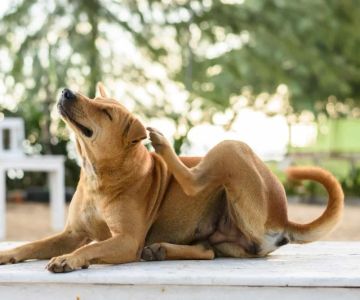
- Excessive Licking or Biting: If your dog is constantly licking or biting themselves after meals, it could be a sign of allergies, gastrointestinal issues, or even stress.
- Signs of Pain: If your dog is licking excessively around their mouth, face, or paws, and seems to be in pain, they could have a dental issue or injury.
- Behavioral Changes: If grooming is accompanied by other behavioral changes, such as restlessness or loss of appetite, this could indicate a health concern.
5. How to Manage Excessive Grooming in Dogs
If you notice that your dog is grooming excessively after eating, there are a few things you can do to address the behavior:
- Monitor Their Diet: Make sure your dog is eating high-quality food that suits their digestive system. Food allergies or intolerances could be causing discomfort.
- Regular Veterinary Check-ups: Schedule regular visits to the vet to rule out any underlying medical conditions. Issues like dental problems, gastrointestinal issues, or skin conditions might require professional attention.
- Stress Management: If your dog is grooming due to anxiety or stress, try implementing calming techniques such as crate training, soothing music, or even anxiety-reducing products like pheromone diffusers.
- Provide Mental Stimulation: Dogs that are bored may resort to excessive grooming as a coping mechanism. Providing toys, exercise, and mental stimulation can help alleviate this behavior.
If your dog’s grooming habits are becoming a concern, it’s always a good idea to consult with a veterinarian to ensure that your furry friend is in optimal health. For more advice and tips on dog care, visit Pet & Puppy for expert recommendations and products.
 Sun Valley Hope Animal Hospital4.0 (1205 reviews)
 Creature Comforts Veterinary4.0 (139 reviews)
 Dr. Kelly's Surgical Unit - West Mesa5.0 (1 reviews)
 PetVet365 Pet Hospital Louisville/Anchorage4.0 (224 reviews)
 CareVet of Middletown4.0 (985 reviews)
 AxisVet, Inc.5.0 (1 reviews)
 How to Help a Pregnant Dog: Care Tips and Nutrition
 How Climate Change Is Affecting Pet Health Today
 How to Teach Your Dog Advanced Tricks: A Step-by-Step Guide
 How to Calm a Nervous Pet During a Thunderstorm or Fireworks – Expert Tips
 Why People Regret Delaying Pet Dental Care: The Importance of Early Action
 Crate Training 101: Simple Steps for Stress-Free Success